
New Galaxy S26 Ultra rumors point to innovative camera design and larger 6.9-inch screen


New information about the next high-end smartphone from Samsung began to circulate on specialized forums and technology channels. The details, attributed to industry sources at Coreia of Sul, suggest that the Galaxy S26
Expectations surrounding the device are high, especially after the optimizations implemented in the previous generation. Rumors indicate that Samsung intends to focus on hardware improvements that directly impact the user experience, such as photographic quality in low-light conditions and visual immersion for content consumption and games.
Although the company remains secretive about its future releases, the leaks provide an initial overview of what to expect. The specifications point to a thinner device, measuring 7.9 mm thick, and weighing approximately 217 grams, seeking a balance between robust construction and improved ergonomics for daily use.
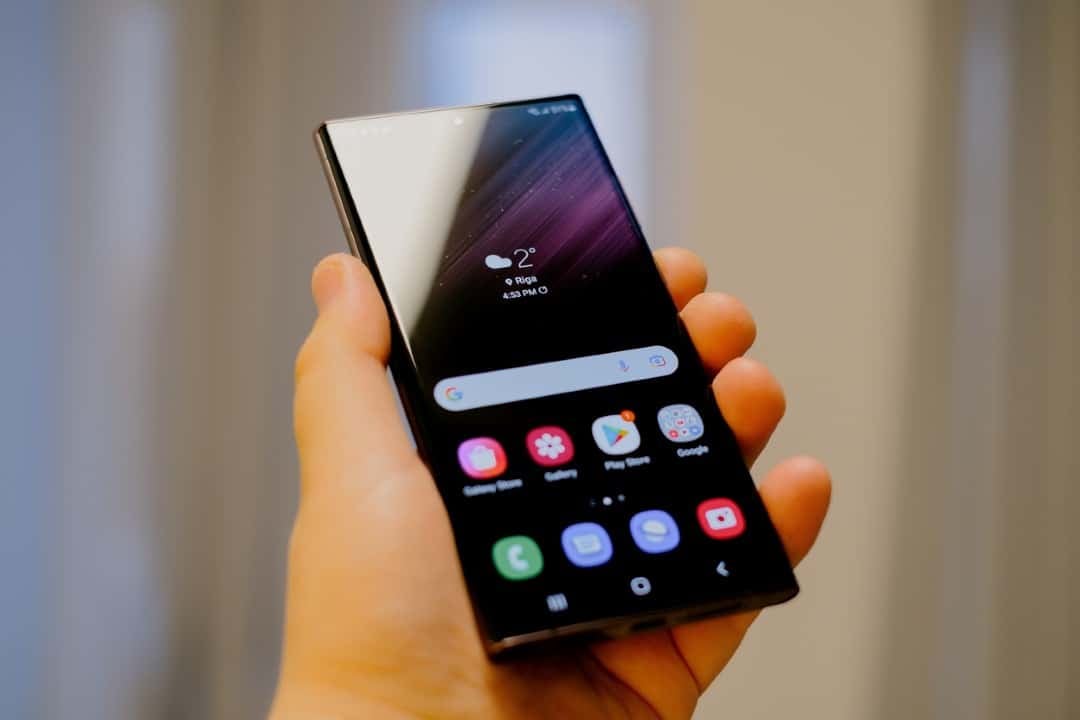
A new arrangement for the rear cameras
The main visual and functional change of the Galaxy S26 Ultra should focus on the rear camera module. The information indicates that the design of individual sensors aligned vertically will be replaced by a new block that will group the lenses, a change that can optimize the internal space and give the device a new visual identity. The main sensor should remain at 200 MP, but will receive improvements in its physical size and an aperture of f/1.4, as well as improved optical image stabilization (OIS) to capture more light and ensure clearer photos in dark environments. The ultra-wide-angle camera should also receive an upgrade, moving to a 50 MP sensor with a 120-degree field of view, ideal for photographing wide landscapes and large groups of people with greater definition. The zoom system, one of the differentiators of the Ultra line, will consist of two telephoto lenses: a 50 MP periscopic lens with 5x optical zoom and a larger 1/2.52-inch sensor, and another 10 MP lens with 3x optical zoom, using a slightly smaller 1/3.94-inch sensor. Essa combination aims to offer versatility and superior image quality at different focal lengths, while maintaining clarity and detail even at long zooms.
Larger screen with improved brightness
The S26 Ultra’s display should subtly grow to 6.9 inches, using the latest generation of Samsung OLED panels, called M14. Essa technology promises significant improvements in energy efficiency and image quality, with more vivid colors and deeper blacks. The resolution must be maintained at QHD+ (1,440 x 3,120 pixels), ensuring a high pixel density for exceptional clarity in texts and images.
The adaptive refresh rate, which varies dynamically between 1 Hz and 120 The maximum brightness of the panel is another point that should evolve, with expectations of surpassing the 2,600 nits of the previous model. Esse advancement ensures perfect visibility even in direct sunlight, improving the outdoor usage experience and HDR content consumption.
Performance split between two processors
Following its global market strategy, Samsung must equip the Galaxy S26 Ultra with two different processors, depending on the region. In Para markets like Estados Unidos, the Snapdragon 8 Elite Gen 5 for Galaxy chip is expected to debut, an optimized version with higher clocks to deliver superior graphics and processing performance.
In other regions, such as Europa and parts of Ásia, the device will be powered by the Exynos 2600 processor, developed by Samsung itself. The expectation is that this new generation of the Exynos will reduce the performance gap compared to its competitor, focusing on energy efficiency and improved artificial intelligence capabilities.
To support the most demanding tasks, the smartphone will come with up to 16 GB of LPDDR5X RAM memory, ensuring fluid and stutter-free multitasking. Internal storage options are expected to include 256GB, 512GB, and 1TB, utilizing UFS 4.0 technology for ultra-fast read and write speeds.
Design and construction details
The overall design of the Galaxy S26 Ultra should maintain the rectangular lines characteristic of the series, but with refinements to improve ergonomics. The structure of the device will continue to be made of titanium, a material that offers high resistance to falls and scratches with a relatively low weight.
The slight reduction in thickness, to 7.9 mm, suggests engineering work to optimize the arrangement of internal components without sacrificing battery capacity. The device’s grip should be more comfortable, despite the screen enlargement, thanks to thinner edges and a subtle curvature on the sides.
The IP68 certification against water and dust will continue to be present, guaranteeing the protection of the device in adverse conditions. Outro iconic element that returns is the S Pen, which will be integrated into the body of the smartphone.
The stylus pen should receive improvements in latency and its functionalities, making writing and drawing even more natural and responsive, in addition to expanding its capabilities as a productivity tool and remote control for the camera.
Autonomy and charging speed
The battery capacity must be maintained at 5,000 mAh, a standard for the brand’s flagships that guarantees autonomy for a full day of moderate to intense use. The big news, however, will be the loading speed.
Rumors point to a jump in wired charging, which should reach 60W of power via the USB-C port. Essa improvement will allow the battery to be recharged from 0 to 100% in approximately 30 minutes, a considerable time reduction compared to current models.
State-of-the-art connectivity and software
The Galaxy S26 The company must maintain its long-term update policy, promising seven years of new versions of the operating system and security patches, extending the device’s useful life.
In terms of connectivity, the smartphone will be compatible with the latest technologies, including 5G networks, Wi-Fi 7 for faster and more stable wireless connections, and Bluetooth 5.4 for efficient communication with accessories.
Expected specifications
Other expected features include a faster and more accurate under-display ultrasonic fingerprint reader and an improved stereo speaker system for a more immersive audio experience. The front camera, although less detailed in the leaks, should maintain 12 MP resolution with autofocus and software optimizations for high-quality selfies.



