
Support ended: Xiaomi announces that 19 cell phones and tablets will no longer receive updates

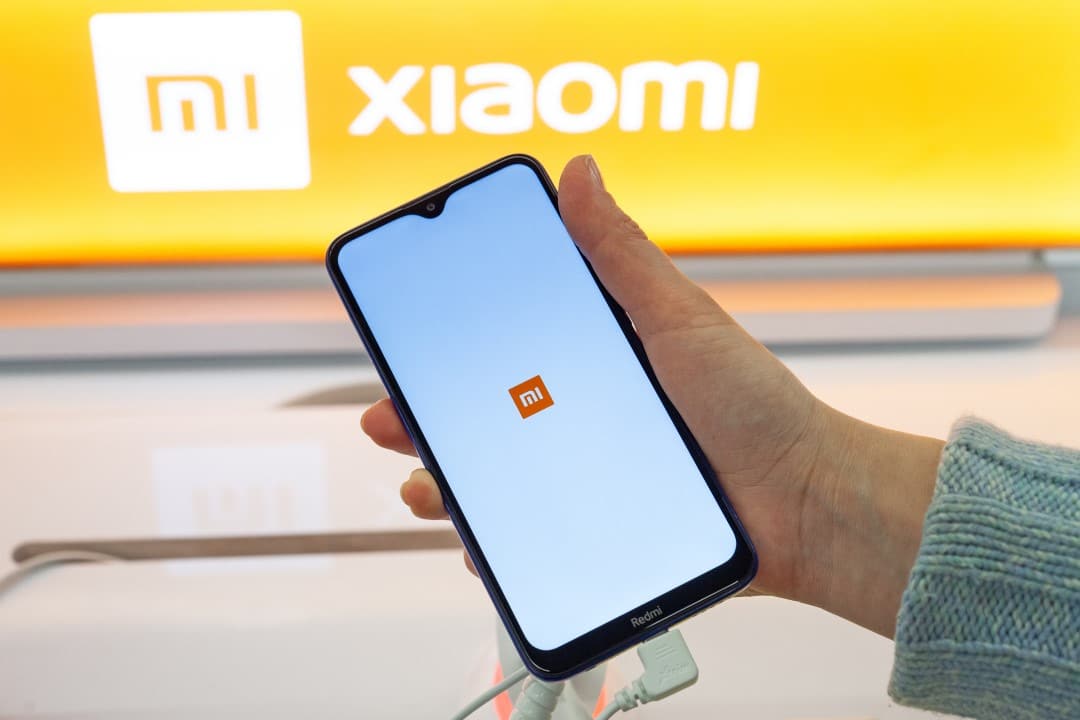
Xiaomi has officially confirmed that it will close the software life cycle for 19 of its devices throughout 2026. The measure affects popular models from the Redmi and POCO sub-brands, in addition to the company’s own main line, which will no longer receive updates to the Android operating system, new versions of the HyperOS interface and, crucially, monthly or quarterly security packages. Esta decision signals a strategic change by the manufacturer, which is now focusing its resources on the development and maintenance of newer devices.
The end of support means that, although devices will continue to function normally for basic tasks, they will become progressively more vulnerable to digital security threats. Sem the patches that correct discovered flaws and loopholes, user data may be exposed to malware and other malicious activities. The list includes smartphones and tablets launched mainly between 2022 and 2023, surprising many consumers who purchased the models relatively recently.
The Chinese manufacturer justifies the measure as part of an effort to align its update policy with that of other giants in the sector, such as Samsung and Google, which offer longer support for their high-end models. With this, Xiaomi intends to guarantee a better experience and greater longevity for its most expensive launches, while optimizing operational costs related to maintaining a very extensive and diverse product portfolio.

The full list of affected devices
The Xiaomi decision covers a diverse set of devices, from entry-level models to premium intermediaries that have been sales successes in several markets. The company has released a detailed timeline, indicating the exact month in 2026 in which each device will receive its last official update. The list was organized by brand to make it easier for owners to consult. It is essential that users verify that their model is included to take appropriate precautions or plan for a future replacement. The devices that are on the end of support list (EOL – End of Life) are:
- Line Xiaomi:Xiaomi 12 (March 2026), Xiaomi 12 Pro (March 2026), (October 2026) and Xiaomi Pad 6 (July 2026).
- Line Redmi:Redmi Note 12 5G (March 2026), Redmi Note 12 Pro (April 2026), Redmi A2 Plus (March 2026), Redmi Pad SE (August 2026), Redmi Pad SE 8.7 (August 2026) and
- POCO Line:POCO C65 (November 2026), POCO F5 (May 2026), POCO F5 Pro (May 2026) and POCO X5 Pro 5G (February 2026).
Understand the new Xiaomi update policy
In recent years, Xiaomi has worked to improve its software support policy, seeking to compete more directly with brands that have made the longevity of their devices a strong selling point. The new approach consists of offering an extended update period, reaching five or even six years for the most recent flagship models, such as those in the upcoming Xiaomi 15 series.
This restructuring, however, comes at a cost: the need to discontinue support for older or lower category models to free up the development team to focus on new products. The fragmentation of the Xiaomi portfolio, with dozens of annual launches under three different brands, makes maintaining all devices a considerable logistical and financial challenge. The company is betting that by ensuring premium support for its flagship releases, it will strengthen customer loyalty and the resale value of its cutting-edge products.
What the end of support means for users
For the end consumer, the termination of updates has direct practical implications. The most critical one is related to security. Sem the periodic patches of Google and Xiaomi itself, the operating system becomes stagnant and does not receive protection against new vulnerabilities that are constantly discovered by security researchers and exploited by cybercriminals.
In addition to security, the absence of new versions of Android and HyperOS prevents users from accessing new features, performance improvements, and battery optimizations that are introduced in newer systems. Over time, this lag can lead to compatibility problems, with some applications no longer working correctly or even being installed because they require newer versions of the operating system.
Therefore, owners of the 19 models listed will need to be extra careful when surfing the internet, downloading applications from unofficial sources and connecting to public Wi-Fi networks. The general recommendation from security experts is to consider migrating to a device that is still actively supported, especially if the device is used for banking transactions or storing sensitive information.
Impact on tablets and the POCO line
The discontinuation list includes two important tablets: the Xiaomi Pad 6 and the Redmi Pad SE. Esses templates are popular for media consumption, studying, and light productivity tasks. The lack of updates can affect the user experience, especially when it comes to security and compatibility with applications that are frequently updated.
For the POCO brand, known for offering high-performance devices at competitive prices, the end of support for models such as the POCO F5 and F5 Pro can be particularly felt by its user base, mostly made up of technology enthusiasts and gamers. Esses consumers value the continued performance and optimizations that software updates can bring.
The POCO X5
The inclusion of these devices demonstrates that the strategy of shortening support for older models is comprehensive and does not spare any of the Xiaomi sub-brands, aiming for standardization across its entire product ecosystem.
Popular models that will no longer be updated
Among the most notable names on the list is the Redmi Note 12 series, one of the best-selling smartphone lines globally. Milhões units have been shipped, and their owners are now faced with the news that support will end soon. The Redmi 12C and Redmi 13C, entry-level models with a large sales volume in emerging markets, will also be discontinued, affecting a vast base of users looking for affordable devices.
The Xiaomi 12 line, which represented the brand’s top of the line in 2022, also reaches the end of its support cycle. Isso shows that even devices that were once flagships have a limited software lifespan, a reality that consumers need to consider when purchasing. The Xiaomi decision serves as a reminder of the importance of checking a manufacturer’s update policy before investing in a new smartphone.
Recommendations for device owners
For users of affected devices, the main recommendation is to keep the device updated until the end of support date, installing all security patches that are released. Após closure, it is advisable to be extra cautious with digital security, avoiding downloading applications outside of Play Store and accessing suspicious links.
The smartphone market trend
The Xiaomi decision reflects a broader trend in the mobile technology industry. Enquanto support for elite devices is being extended, the life cycle of mid-range and entry-level models remains relatively short. Fabricantes seek to balance software maintenance costs with the need to innovate and encourage device replacement.
This movement forces consumers to become more aware of software longevity when choosing a new smartphone. Update policy is becoming as important a decision factor as hardware specifications such as camera and processor, shaping the future of technology consumption.



