
Apple’s plans indicate a revolution with a foldable iPhone and the arrival of OLED screens on iPads and Macs


Behind-the-scenes information from the technology industry indicates that Apple is developing one of its most important innovation cycles, with concrete plans to enter the foldable device market and promote a broad update of its product lines with OLED screen technology. Fontes linked to the supply chain and sector analysts indicate a strategic renewal of the company’s main devices, focused on new formats and substantial visual improvements that promise to redefine the user experience.
The main highlight of this new phase is the long-awaited iPhone Fold, a smartphone that would position the Apple as a direct competitor in a booming market segment. Paralelamente, the transition to OLED panels on devices such as the iPad mini and MacBook Pro aims to raise the bar for image quality, providing more accurate colors and higher contrast levels. Essas hardware changes would be supported by a new generation of processors, such as the A20 and M5 chips, designed to maximize performance and energy efficiency.
Innovations are not restricted to hardware. The company is also investing in a complete redesign of Siri, its virtual assistant, which will be powered by advanced generative artificial intelligence capabilities. The expectation is that the Siri will become more contextual, proactive and capable of performing complex tasks in an integrated manner across the brand’s entire ecosystem of devices, becoming a more useful and intuitive tool in users’ daily lives.
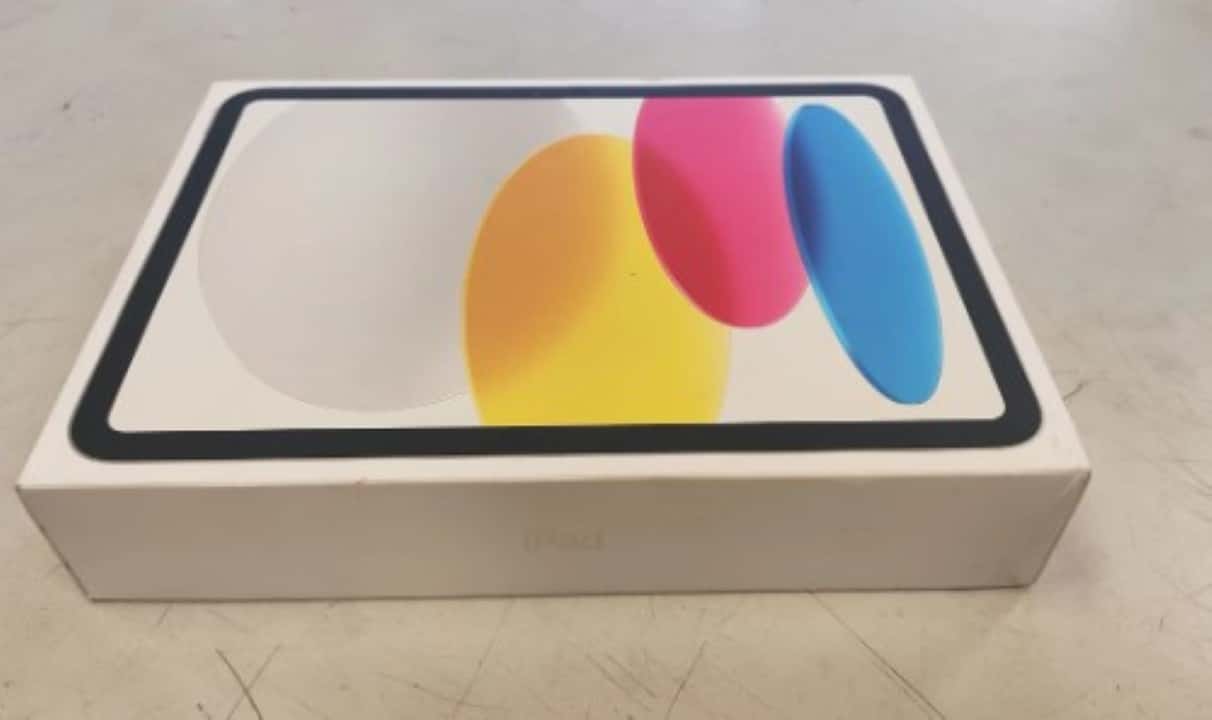
The long-awaited foldable iPhone and its features
The foldable iPhone project, which circulates under various codenames internally, appears to have reached an advanced stage of development, with prototypes already in the intensive testing phase. Conforme the most recent leaks, the device would feature a design with an internal fold, similar to a book, to protect the flexible main screen, which would be approximately 7.8 inches when fully opened. Para use with the device closed, an external screen of around 5.5 inches would allow quick access to notifications and essential applications. Flexible OLED panel technology will be crucial to ensuring not only image quality, but also the durability required for thousands of opening and closing cycles. One of the differences would be its thickness, with rumors indicating just 4.5 millimeters when opened, which would make it one of the thinnest devices in the category. The core of the device would be the A20 processor, manufactured using a 2 nanometer process, promising a significant leap in performance and energy management. The price positioning, estimated between 2,000 and 2,500 dollars, would place it as a niche product, aimed at the ultra-luxury segment.
The evolution of the iPhone 18 Pro line
Mainline mainstream models are also slated to receive major updates. The iPhone 18 Essa innovation would allow the elimination of the cutout known as Dynamic Island, leaving only a discreet hole for the front camera, resulting in a more immersive viewing experience.
The dimensions of the screens are expected to grow slightly, with the Pro model reaching 6.3 inches and the Pro Max reaching 6.9 inches, maintaining the tradition of offering cutting-edge OLED panels with improved brightness and color accuracy. Internamente, the main new feature will be the A20 chip, which promises an increase of up to 15% in processing speed and a 30% improvement in energy efficiency, enabling more advanced computational camera features and superior performance in demanding tasks.
The transition from Macs to OLED technology
The long-awaited migration of Mac computers to OLED screens should begin with the MacBook Pro models, a change widely expected by creative professionals. Adopting this technology will deliver unprecedented image quality across the board, with true blacks, infinite contrast and brighter brightness, directly benefiting video editors, photographers and designers who rely on high color fidelity in their daily work. Essa visual improvement will make the using experience richer and more accurate.
This display update will be accompanied by a new generation of M series processors. The M5 chip, built on a 3 nanometer process, should equip the future MacBook models Air and Mac mini, offering an optimized balance between performance and power consumption. Para the Pro models, the expectation is the introduction of the M6 Pro and M6 Max chips, which should be built using a 2 nanometer process. Além the leap in performance, these notebooks must incorporate 5G modems developed by Apple itself, guaranteeing high-speed connectivity anywhere and reducing dependence on external suppliers.
iPads receive OLED screens and more intelligence
The Apple tablet line will also undergo a significant renovation, with the adoption of OLED screens being expanded to more models, democratizing access to this cutting-edge technology.
The iPad mini is one of the main candidates to receive the new display, which would result in superior contrast and more vibrant colors, making it an even more attractive device for media consumption and games.
The standard iPad model, in turn, must be equipped with the A19 chip and will receive the full suite of features from Apple Intelligence, the company’s new artificial intelligence platform.
This will transform it into a more powerful and versatile tool for students and professionals, with smart features built into the operating system to optimize productivity and creativity.
Siri and the bet on artificial intelligence
One of the most transformative updates planned by Apple is the complete redesign of Siri. The virtual assistant will be rebuilt based on advanced language models (LLMs), allowing for a much more natural and powerful interaction.
The new Siri will be able to understand complex contexts, maintain fluid conversations and execute commands that involve multiple applications sequentially, acting as a true intelligent personal assistant.
This evolution is part of the Apple Intelligence initiative, which aims to integrate AI usefully and privately across the ecosystem. The assistant will become more proactive, offering relevant suggestions based on user habits and device information, always with the guarantee that personal data will remain protected.
Other news in the ecosystem
In addition to the most prominent launches, Apple continues to invest on other fronts to strengthen its ecosystem. Rumores about augmented reality glasses with built-in artificial intelligence are gaining more and more traction, indicating that the company is actively exploring the future of wearable computing, although a commercial launch date has not yet been set.
Popular accessories like AirPods and the Apple Watch are also expected to receive incremental updates. Improvements are expected to focus on new health sensors such as blood pressure and glucose monitoring, as well as improvements to audio quality and connectivity, reinforcing these products’ position as leaders in their respective categories.
Synergy between devices
The unification of OLED screen technology between iPhone, iPad and Mac reinforces Apple’s strategy of offering a consistent, high-quality visual experience across its entire product portfolio, encouraging integration and synergy between different devices and consolidating user loyalty to the brand’s ecosystem.



