
Lunar calendar 2026 reveals 13 full moons with three supermoons and a blue moon throughout the year


The next full moon of 2026 occurs on February 1, known traditionally as Lua da Neve. Esse phenomenon marks the beginning of an unusual sequence of 13 full moon phases throughout the year, due to the alignment between the lunar cycle and the Gregorian calendar. Observadores on Brasil will be able to follow the event from the end of the afternoon, depending on local weather conditions.
The year 2026 presents a rare configuration in the lunar calendar. Normalmente, there are 12 full moons, but in 2026 there will be an additional one in May, characterized as a blue moon.
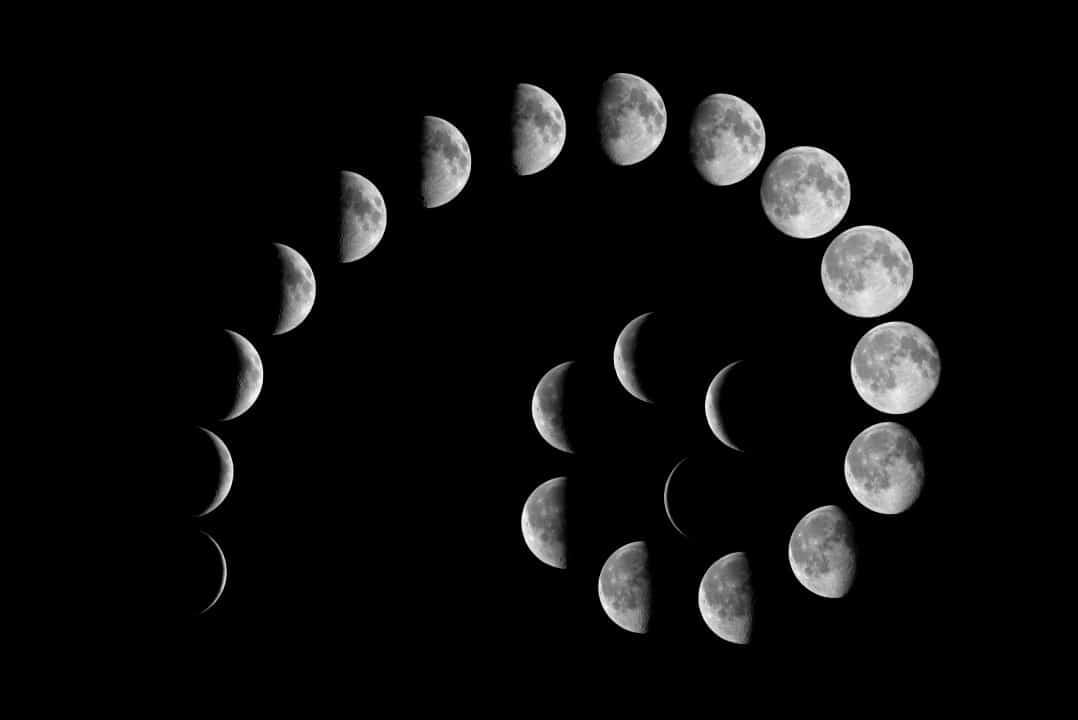
- This extra occurrence results from the synodic cycle of Lua, which lasts approximately 29.5 days.
- The phenomenon allows for two full phases in the same month.
- Astronomers record this pattern periodically in specific years.
These phases influence amateur and professional astronomical observations in different regions.
Snow Moon Opens February
Lua of Neve reaches peak full moon on February 1, 2026. The name derives from North American indigenous traditions that associate the period with intense snowfall in the northern hemisphere. In the Southern Hemisphere, including Brasil, the event coincides with summer, offering clear nights for viewing.
Observers in cities such as São Paulo and Rio of Janeiro see Lua rise in the east shortly after sunset. Complete lighting facilitates photography and contemplation without advanced equipment.
Sequence of phases in March and April
The March full moon takes place on March 3 and is named Lua da Minhoca. Esse term refers to the thawing of soil in the Northern Hemisphere, when earthworms emerge and signal the arrival of spring. No Brasil, the period corresponds to autumn, with mild temperatures in several regions.
In April, Lua Rosa occurs on April 1st or 2nd, depending on the astronomical source consulted. The name does not indicate reddish color, but pays homage to a wildflower that blooms in season.
Duplicate phenomena in May
May records two full moons in 2026. The first, on May 1st, is called Lua das Flores and marks the height of boreal spring. The second, on May 31, is a blue moon, a term that defines the extra occurrence in the same month.
These consecutive phases attract the attention of astronomers. The blue moon does not have a different color, but it represents a statistically less frequent event.
One of them coincides with the position of a micromoon, when the satellite is furthest from Terra. Visibility remains high on clear nights.
Observing the moons of June and July
The Lua of the Morangos lights up the sky on June 30th. The name originates from native tribes who associated the period with the strawberry harvest in América of Norte.
In July, Lua of Cervo occurs on July 29th. Essa denomination refers to the growth of new antlers in male deer during the boreal summer. No Brasil, July brings winter, with longer nights in southern regions that favor prolonged observation.
Full moon phases in the second semester
August brings Lua from Esturjão on August 28th. The name comes from fishing traditions, when this fish was abundant in North American lakes.
September records Lua of Milho or Lua of Colheita on September 26th. Essa phase often coincides with the autumnal equinox in the Northern Hemisphere and provides extra light for nighttime harvests.
October features Lua from Caçador on October 26th. Historicamente, the period facilitated hunting after the harvest.
These denominations reflect seasonal cycles observed by ancient cultures. Visibility in Brasil varies depending on latitude and atmospheric conditions.
Supermoons mark the end of the year
November and December close the calendar with supermoons. Lua of Castor occurs on November 24, when the satellite is closest to Terra and appears larger and brighter.
In December, Lua Fria repeats the phenomenon on December 24th. Essas supermoons increase apparent diameter by up to 14% and brightness by 30% compared to micromoons.
Astronomers highlight that supermoons influence more intense tides on ocean coasts. On the Brazilian coast, effects include greater variations in sea level during these periods.
Traditional names and cultural variations
The names of full moons originate primarily from Native American, European colonial, and other indigenous traditions. Cada denomination connects the lunar cycle to seasonal natural events.
In the Southern Hemisphere, local equivalences exist in some communities, but North American terms predominate in global calendars. Publicações astronomical authorities adopt these nomenclatures for international standardization.
Tips for Safe Observation
Observing full moons requires few resources. Binóculos or simple telescopes reveal details of the lunar surface, such as craters and seas.
Avoid looking directly at Sol during nearby daytime phases. Aplicativos astronomy help you locate the exact position of Lua in real time.
Choose locations with little light pollution for better contrast. Regiões rural areas or urban parks far from well-lit centers offer ideal conditions.
Summary phase calendar
The year 2026 concentrates varied phenomena in the night sky. Aqui are the main dates of full moons:
- January 3: Lua of Lobo (supermoon, already occurred)
- February 1: Lua from Neve
- March 3: Lua from Minhoca
- April 1st or 2nd: Lua Rosa
- May 1st: Lua from Flores
- May 31: Lua Azul
- June 30: Lua of Morangos
- July 29: Lua of Cervo
- August 28: Lua of Esturjão
- September 26: Lua from Colheita
- October 26: Lua of Caçador
- November 24: Lua of Castor (supermoon)
- December 24: Lua Fria (supermoon)
These dates are based on precise astronomical calculations. Pequenas variations may occur depending on the time zone considered.
Influence on tides and ecosystems
Full moons, especially supermoons, extend the range of high tides. Esse effect results from the greater gravitational force exerted by the proximity of Lua.
On Brazilian coasts, spring periods generate higher tides. Pescadores and marine biologists monitor these cycles for specific activities.
Some animals synchronize reproduction with lunar phases. Tartarugas marine species, for example, use lunar light for orientation on beaches during spawning.
Additional astronomical events
2026 includes other phenomena visible alongside full moons. Chuvas of meteors coincide in certain months, increasing observation opportunities.
Partial lunar eclipses occur on specific dates. Esses events temporarily shadow Lua and attract global attention.
Planetariums and astronomy associations organize public sessions. Participantes access professional telescopes for detailed views.
Preparation for future observations
Planning observations in advance maximizes the experience. Consulte updated calendars for local time adjustments.
Basic equipment includes camera tripods. Aplicativos mobile devices provide real-time alerts on phases and positions.
Groups of amateur astronomers share ideal locations. Regiões as interior of São Paulo and Minas Gerais offer favorable dark skies.
Gazing at full moons connects observers to ancient natural cycles. The phenomenon remains accessible to everyone, regardless of urban or rural location.
Regional variations in Brasil
In Norte and Nordeste, full moons illuminate beaches and Amazonian landscapes. Tropical Condições allow observations during much of the year.
In Sul, winter brings colder, clearer nights. Cidades like Curitiba and Porto Alegre register greater participation in astronomical events.
Altitude influences the quality of the view. High Locais reduces atmospheric interference and improves sharpness.
Photographic record of the phases
Photographing full moons requires adjustments in exposure. Câmeras with manual mode captures details without overexposure.
Use telephoto lenses for close framing. Tripés prevent shakes and ensure clear images.
Further editing enhances contrasts. Comunidades online share specific techniques for lunar astrophotography.
Continued scientific importance
Lunar studies advance with space missions. Lua serves as a base for research into the solar system.
Earth observations contribute to citizen data. Projetos globals collect amateur records for scientific analysis.
The natural satellite influences several fields. Geólogos study its composition based on optical observations.
The 2026 calendar offers multiple opportunities for systematic monitoring. Registros personnel document variations over the months.
List of highlighted phenomena
- Three supermoons increase brightness and apparent size
- A blue moon occurs as an extra phase in May
- Twelve traditional names apply to the main phases
- Thirteen total occurrences are distributed irregularly
These elements characterize the lunar year.
Global Visibility Perspectives
Although names are of North American origin, the phenomenon is universal. Observadores on all continents follow the same phases.
Time zone differences affect exact peak times. No Brasil, subtracting hours from UTC adjusts the moments.
Weather conditions determine visual success. Previsões help with planning external sessions.



