
Trump announces temporary US control over Venezuela after Maduro’s capture

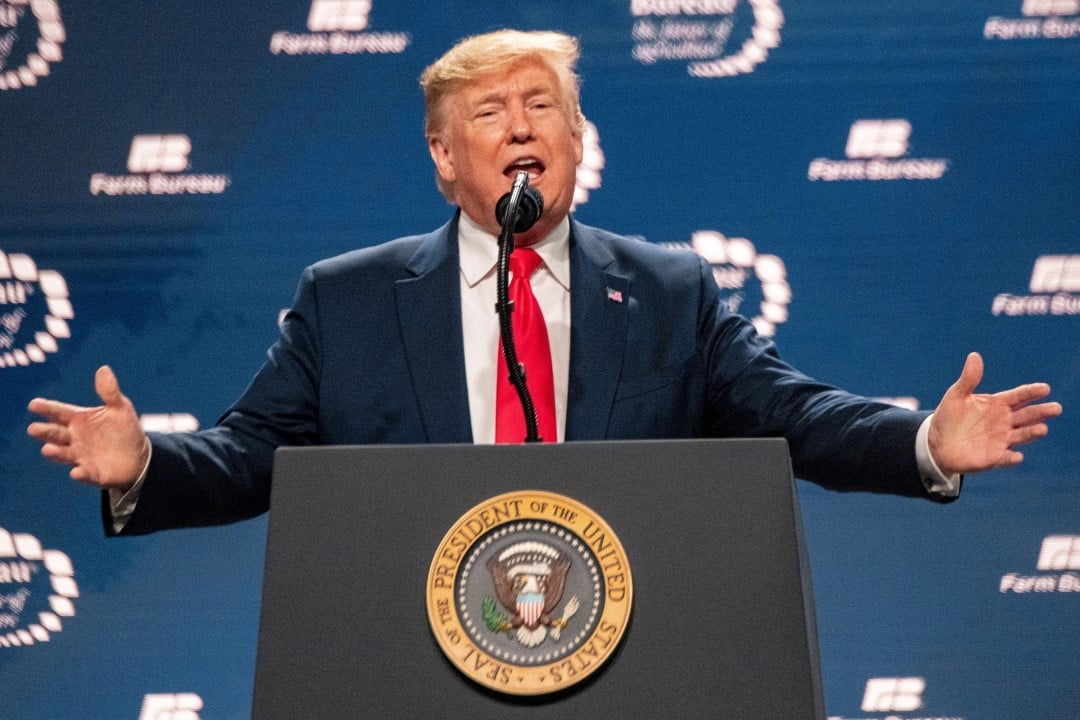
Departamento of Estado of Estados Unidos has issued an urgent alert recommending that American citizens leave Venezuela immediately due to potential threats from armed militias. The guidance comes amid political tension in the country following the capture of former president Nicolás Maduro by American forces in a military operation carried out in the capital Caracas in early January 2026.
Nicolás Maduro and his wife were taken to Nova York, where they appeared in federal court on Monday, January 5. The American government justified the action as part of efforts to combat drug trafficking and terrorism. President Donald Trump has stated that the Estados Unidos will take control of the country for an undefined period of time until a safe transition is possible.
Vice President Delcy Rodríguez was sworn in as interim leader by the Venezuelan Suprema Corte and the Tribunal Supremo of Justiça, who described the capture of The Venezuelan Ministério of the Interior reported that the situation in the country remains under control, despite isolated reports of instability.
Military operation in Caracas
The action took place in the early hours of January 3, Caracas local time. Forças American special forces, including Delta Force, participated in the mission called Operação Resolução Absoluta.
Explosions and aircraft overflights were recorded in several areas of the capital. The operation involved attacks on air defense infrastructure and the electrical grid in southern parts of Caracas to facilitate access to the complex where Maduro was staying.
The hideout was in Forte Tiuna, a heavily guarded military complex in the southeast of the city. Maduro and his wife were transferred by helicopter to a US Marinha ship at Caribe and then flown to Estados Unidos.

Reactions from the interim government
Delcy Rodríguez assumed the interim presidency on January 5, following a decision by Supremo Tribunal of Justiça. Ela maintained Maduro as the legitimate president in opening statements, but indicated a willingness to collaborate with the Estados Unidos on a shared development agenda.
The Venezuelan Ministério of the Defesa recognized the authority of Rodríguez. As Forças Armadas called on the population to remain calm and defend national sovereignty.
Rodríguez released at least 18 political prisoners in the days following the operation, including some foreigners. The gesture was interpreted as a sign of opening a dialogue with Washington.
Departamento alert from Estado
The January 10 warning highlighted specific risks for American citizens. Relatos indicate that armed groups known as colectivos set up roadblocks and searched vehicles in search of people with citizenship or support for the Estados Unidos.
The Venezuelan government classified the warning as based on fabricated information. Autoridades stated that the country remains committed to peace and institutional stability.
International flights have partially resumed, but with high demand and limited availability. Cidadãos Americans were instructed to monitor airlines and maintain contingency plans.
Context of American intervention
The operation followed months of preparation, with CIA intelligence and monitoring of Maduro’s movements. Trump mentioned that the Estados Unidos plan to manage the sale of Venezuelan oil and involve American companies in the recovery of the sector’s infrastructure.
The American president highlighted the capture as a victory against the drug cartel linked to the previous regime. Ele also commented on foreign policy priorities, including interest in other regions like Groenlândia for national security purposes.
The intervention generated debates about international legality. Especialistas question whether the action violated principles of sovereignty, but the American government defends the operation as a law enforcement action with military support.
The situation in Caracas remains tense, with the presence of militias and security forces. Interim Autoridades calls for national unity while negotiating with Washington.
The American embassy, operating from Bogotá, on Colômbia, reiterated that it cannot offer emergency assistance in Venezuelan territory.



