
Brazilian woman reports sexual harassment after being observed in bathroom stall on Canadian subway

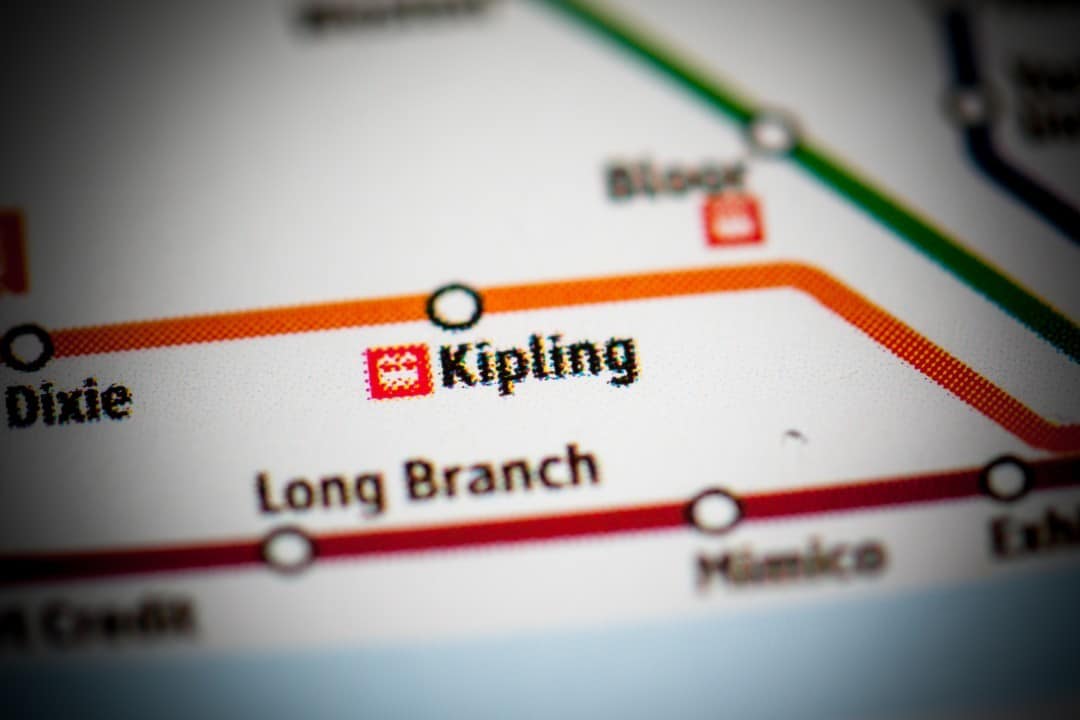
A 36-year-old Brazilian woman, originally from Pernambuco, reported having been a victim of sexual harassment at a metro station in Toronto, in Canadá. The incident occurred on the morning of January 9, 2026, at Kipling Station, when a man climbed onto the toilet in an adjacent stall to observe her over the divider.
Priscilla Costa, who has lived in the country since January 2019, registered the incident with the local police, who are investigating the case as sexual harassment. The victim reported that the attacker tried to prevent her from leaving the cabin, but she managed to react and ask for help at the scene.
Toronto Transit Commission (TTC), responsible for the public transportation system, provided security camera images to the investigation. Priscilla had to pass through the same station in the following days to go to work, which raised fears of meeting the suspect again.
Incident details
Priscilla Costa was using the women’s bathroom at Kipling Station when she noticed the man’s presence. Ela listened to music on headphones, which prevented him from hearing movements in the next cabin.
The attacker positioned himself to look directly over the divider as she dressed after using the toilet. Upon noticing the situation, Priscilla screamed and tried to open the cabin door to get out.
The man tried to push her back into the box, remaining silent throughout the episode. Priscilla used force to push him away and left the bathroom asking nearby passengers for help.
Immediate reaction on site
Several passengers witnessed Priscilla leave the bathroom, but no one intervened to stop the suspect. Ela shouted explaining that she had been spied on, but those present only observed the scene.
A station employee, located near the bathroom, also did not immediately act to assist. Isso allowed the man to slowly walk away from the place.
Priscilla felt vulnerable when she noticed the lack of collective reaction. Ela continued on her way to work despite being shaken by what had happened.
Record of the occurrence
Priscilla was only able to formalize the complaint the following day, January 10, at a regional police station. Ela filed a police report detailing all the facts reported.
In parallel, the victim contacted the TTC ombudsman’s office to request security footage. The agency located the exact time records and forwarded them to the responsible police.
The investigation is treating the case as sexual harassment, based on the descriptions provided. The station’s cameras captured the suspect’s movements before and after the incident.
Security measures at the station
Kipling Station has surveillance cameras in common areas and accesses. Esses equipment assists in post-incident identification.
The TTC maintains employees at strategic points for daily monitoring. Recentemente, the agency announced an increase in the number of supervisors at busy stations.
- Installation of more cameras in corridors and platforms.
- Additional presence of security teams at peak times.
- Partnerships with local police for regular patrols.
- Application for quick reports by users.
These actions aim to reduce incidents of harassment and violence in the system.
Context of harassment on public transport
Reports of sexual harassment on public transport are common in large cities like Toronto. Pesquisas indicate that many women have faced similar situations on subways and buses.
The TTC reports an increase in reports of incidents involving harassment in recent years. Isso reflects greater awareness on the part of victims in seeking formal records.
Cases of inappropriate observation in public restrooms occur sporadically, despite the high partitions. Most involve suspects taking advantage of adjacent cabins for illicit actions.
Authorities encourage immediate reporting to facilitate identification. The rapid availability of security footage has assisted in several recent investigations.
Changes in the victim’s behavior
Priscilla started to avoid using headphones while traveling on the subway. Essa measure allows greater attention to surrounding sounds at stations.
She also started checking the carriage capacity before entering. Vagões large voids are avoided to reduce insulation risks.
The woman from Pernambuco reports difficulty sleeping in the days following the incident. Imagens of the suspect’s face appeared in thoughts during the night.
Priscilla needs to use the Kipling Station at least twice a week for work. Essa routine increases the feeling of insecurity on the daily commute.
Police investigation underway
Toronto police analyze images provided by the TTC to identify the suspect. The records show his movements on the platform and near the bathroom.
Witnesses present at the scene may be called to provide additional statements. Priscilla provided detailed descriptions of the man’s appearance and clothing.
Similar cases in the same region are checked for possible connection. Classification as sexual harassment allows specific penalties to be applied.
Updates on the progress of the investigation depend on the attacker being identified. The victim follows the case through the responsible police station.
Prevention in subway stations
Users can adopt simple practices to increase safety in public restrooms. Escolher more central cabins reduce the chances of isolated actions at the ends.
Immediately reporting to present employees facilitates quick interventions. TTC’s Aplicativos allows discreet alerts in suspicious situations.
- Pay attention to the environment even in places considered safe.
- Avoid headphones in areas with less movement.
- Walk in groups when possible within stations.
- Use brighter and busier entrances and exits.
These guidelines are regularly published by the system operator.
Reality of immigrants in Canadá
Many Brazilians living in Toronto use public transport every day to get around. The metro network connects residential areas to work centers.
Immigrant communities report concerns about security at peripheral stations. Kipling Station serves regions with a high concentration of foreign workers.
Priscilla highlights that the episode changed her perception of security in the country. Antes, considered Canadá a place protected against this type of occurrence.
Support from networks of Brazilians abroad has been important for the victim. Grupos online share experiences and guidance on local reporting.
The case gains repercussion among immigrants from Pernambuco in the region of Toronto. Discussões about prevention circulate in specific virtual communities.



