Copinha controversy: Palmeiras advances after highly debated penalty call in match against Vitória Por Luís Pereira
5 min de leitura
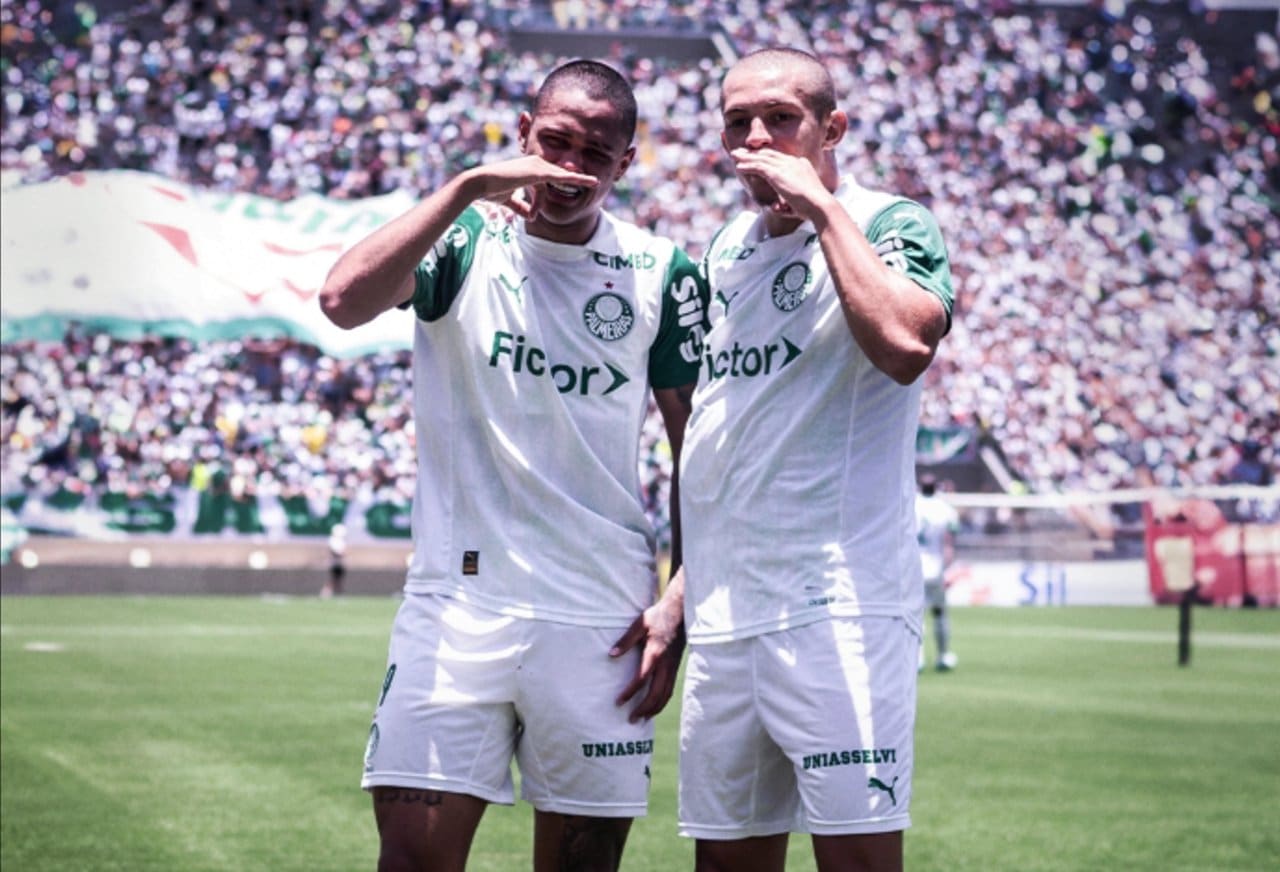 |
The São Paulo Youth Football Cup (Copinha) second phase match between Palmeiras and Vitória on Tuesday, January 13, 2025, ended 3-3, forcing a penalty shootout. Palmeiras ultimately triumphed, but a highly contentious decision during the shootout sparked significant controversy across the football community.
A pivotal moment occurred during Vitória’s third penalty kick. The Palmeiras goalkeeper made contact with the ball, yet it visibly continued its trajectory. Subsequent video evidence strongly suggests the ball’s entire circumference had crossed the goal line.
Despite compelling visual indications from replays, referee Paulo Ricardo Pereira Fernandes ruled the play a save, disallowing Vitória’s potential goal. This decision immediately ignited widespread debate among players, coaching staff, and fans, profoundly influencing the match’s high-stakes outcome.
The disputed moment’s trajectory
The contentious incident unfolded during Vitória’s crucial third penalty attempt. The player struck the ball with power, and the Palmeiras goalkeeper dove, making a partial deflection with his leg. This contact, however, proved insufficient to definitively prevent the ball from crossing the goal line.
Available replays and expert analysis suggest the ball appeared to have entirely crossed the white line, a fundamental criterion for a goal. The goalkeeper pursued the ball after his initial contact, but visual evidence implies it had already passed the decisive mark.
Immediate backlash following the official call
Referee Paulo Ricardo Pereira Fernandes’s decision to validate the goalkeeper’s defense and negate Vitória’s goal drew immediate and intense backlash. This critically impacted the shootout’s momentum, leading to heated protests from Vitória’s team who felt unjustly treated.
The validity of the referee’s judgment quickly became the focal point of a rapidly escalating dispute, both on the field and among the spectators. The charged atmosphere in the stadium reflected strong disapproval of the official ruling.
The absence of goal-line technology or VAR in the Copinha meant no instant, definitive review could be conducted. This limitation significantly exacerbated the controversy surrounding the match’s decisive moment.
Broader implications for youth football standards
The penalty decision initiated wider conversations concerning refereeing standards within youth football tournaments. Ensuring fairness and accuracy in officiating is paramount for athlete development.
Maintaining sport integrity is critical, and incidents like this highlight significant challenges for referees. They often operate without advanced technological aids, relying solely on human perception.
Calls for enhanced training and better support systems for youth referees are intensifying. Equipping officials with superior tools and comprehensive education is crucial to prevent similar controversial outcomes.
Such scenarios underscore the debate about integrating modern football technology, like VAR, at all levels. Youth tournaments frequently operate with limited resources, making them susceptible to human error in critical moments.
Technology’s role in future youth competitions
The controversial penalty has reignited discussions for clearer guidelines and potential technological solutions in youth football. While full VAR might be impractical due to cost, simpler goal-line technology offers a viable option for high-stakes situations. Such systems could provide definitive proof where the ball crossing the line is ambiguous, ensuring fairness and reducing disputes.
Implementing basic technological aids, especially for penalty shootouts, would reinforce the integrity of youth competitions. It would also help prepare young players for professional football where such technology is standard, offering a consistent level of officiating. The focus remains on practical solutions that align with the developmental nature of youth tournaments without excessive resource burden.
Palmeiras advances amidst scrutiny and ongoing debate
Palmeiras secured a 3-2 victory in the penalty shootout, confirming their spot in the third phase of the Copinha where they are scheduled to face Flamengo-SP. This advancement, while officially recorded, is now closely associated with the contentious penalty decision, leading to heightened scrutiny from the football community. As the team progresses in one of Brazil’s most prestigious youth tournaments, the conversation around the disputed call continues to unfold, adding a complex layer to their journey and sparking wider discussions on principles of fair play, the role of human error, and the necessity of technological support in decisive moments. Public perception and team morale in future matches are also subject to the lingering impact of this controversial outcome.
Vitória’s bitter exit from the tournament
Vitória’s campaign in the Copinha concluded prematurely due to the referee’s decisive call during the shootout. After an evenly matched game that finished 3-3, the perceived injustice of the disallowed goal left the players, coaching staff, and supporters with a profound sense of frustration and disappointment. They firmly believe their championship aspirations were unfairly dashed by the crucial decision.