
NHK documentary reveals unprecedented behind-the-scenes behind the creation of Resident Evil with Shinji Mikami

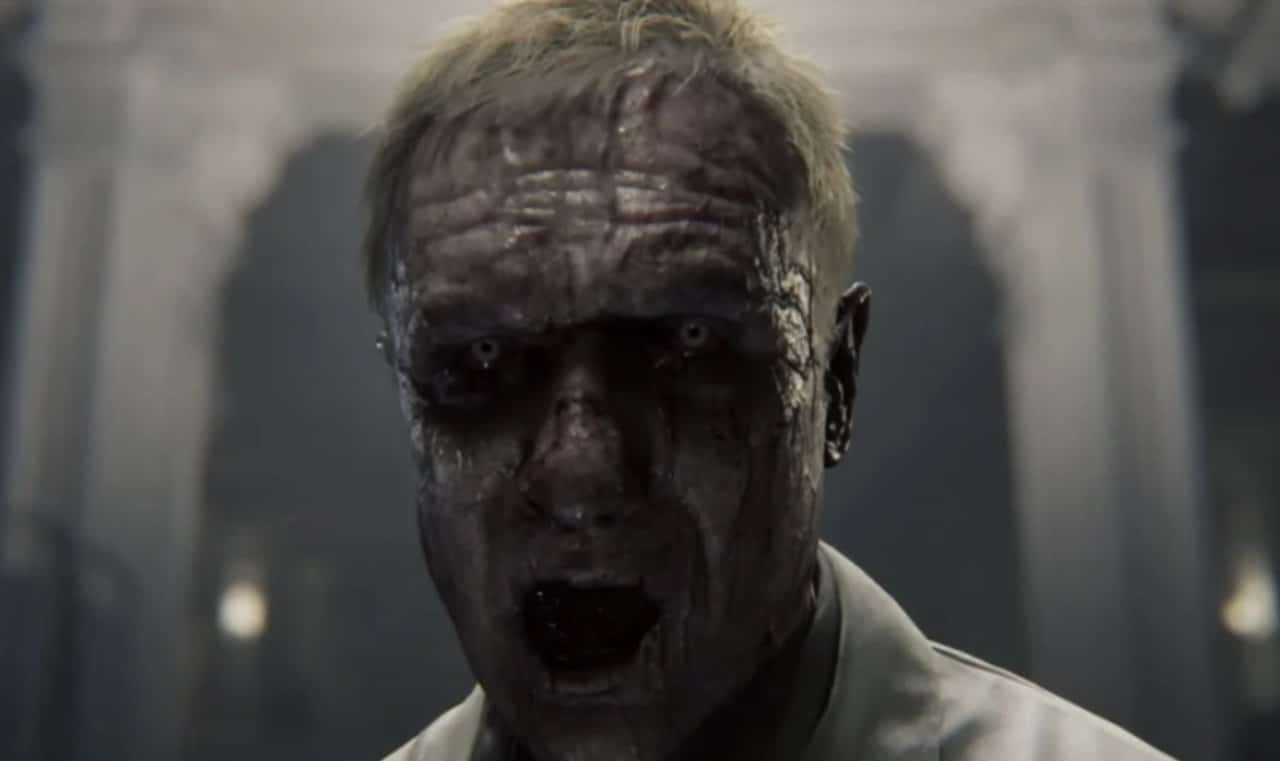
Japanese public broadcaster NHK produced a special documentary that revisits the behind-the-scenes development of Resident Evil, a game launched by Capcom in 1996. The program features exclusive interviews with Shinji Mikami and other members of the original team, presenting previously unpublished documents and details about the creative process.
The special highlights how the title became a milestone in the video game industry, defining the foundations of the survival horror genre. With sales exceeding 167 million copies across the entire series, Resident Evil has established itself as one of the most important franchises in Capcom. The documentary examines the context of the company at the time, which was facing financial difficulties before the game’s success.
The production uses archival materials and direct testimonies to reconstruct the trajectory of the project. The creators tell how initial ideas evolved until reaching the final version known to fans.
Origins of the initial concept
Shinji Mikami directed the development of The team sought to create a horror experience in an isolated mansion, with limited resources and constant threats.
The documentary shows that the project started with first-person prototypes, but switched to a fixed camera to optimize the PlayStation hardware. Essa technical decision directly influenced the tension of the gameplay, with angles that hid dangers and increased the feeling of vulnerability.
Fujiwara presented the initial idea while Capcom was undergoing internal restructuring. Mikami accepted the challenge of turning the concept into a full game, bringing together a small team to work under the pressure of tight deadlines.
Technical challenges faced
The team dealt with limitations of the original PlayStation, which required constant optimization of polygons and textures. The documentary reveals how the developers tested different versions of scenarios to balance performance and horror atmosphere.
Character models went through several revisions to achieve the signature look, with stiff animations that contributed to the oppressive atmosphere. The creators explain that these technical restrictions ended up becoming distinctive elements of the game’s style.
The soundtrack also received special attention, with composers creating minimalist tracks to reinforce loneliness. The program includes excerpts from original recording sessions, showing the care taken with sonic details.
The programmers faced problems with loading doors, which served as a transition between rooms and increased player expectations. Essa mechanics was born from a technical necessity, but became a signature of the series.
Detailed iconic moments
The first encounter with a zombie was highlighted in the documentary, with Mikami explaining the intention to have an immediate impact on the player. The scene was planned to establish the tone of biological horror from the opening minutes.
Another classic sequence involves dogs breaking windows in the mansion, a moment that surprised even team members during internal tests. The developers adjusted the timing to maximize the scare, using simple but effective animations.
- First zombie appearance in the dining room
- Cerberus dogs attack through windows
- Encounter with hunters in the upper corridor
- Tyrant’s final transformation in the laboratory
These moments became references for later horror games. The team tested difficulty variations to ensure the scares worked for different player profiles.
Discarded names revealed
The documentary presents a list of titles considered by Capcom before defining Biohazard in Japão and Resident Evil in Ocidente. Algumas options included more direct names about death and infection.
Among those discarded were “Call of Death”, “Bio Slaughter”, and “Death Shadow”, which reflected the more explicit early approach to horror. The team opted for Biohazard to emphasize the plot’s central biological danger.
The change to Resident Evil in the international market avoided trademark conflicts in the Estados Unidos. Essa decision helped in the global expansion of the franchise.
Other rejected ideas involved variations such as “Be Afraid” and “Strained Relations”, which did not convey the full concept. The final choice balanced mystery and clarity.
Influence of Sweet Home
Sweet Home, released in 1989 for the NES, served as a direct basis for Resident Evil, with exploration mechanics in a haunted mansion and environmental puzzles. Tokuro Fujiwara directed both projects, taking elements from the previous game into the new one.
The documentary compares scenes side-by-side, showing how locked doors and limited items evolved between titles. Capcom obtained a license for the original film for Sweet Home, an experience that facilitated the creation of a cinematic narrative.
Mikami adapted the limited combat system, forcing the player to manage scarce ammunition. Essa restriction increased the tension and differentiated the game from action shooters at the time.
The influence extended to the claustrophobic atmosphere, with narrow corridors and dramatic lighting. Sweet Home established the model that Resident Evil refined with 3D technology.
Team and internal dynamics
The original team consisted of around 40 people, a small number by today’s standards, working in a modest studio in Osaka. Mikami coordinated art directors, programmers and designers in daily meetings.
The documentary includes rare photos of the work environment, with tables full of sketches and prototypes. Membros report long nights of debugging to fix critical bugs before release.
Hideki Kamiya, then a beginner, contributed to phase planning and later directed Resident Evil 2.
The dynamics included intense debates about difficulty, with Mikami defending a high challenge to maintain fidelity to the horror. The team performed constant internal playtests to adjust the balance.
Financial impact on Capcom
Resident Evil arrived at a critical time for Capcom, which was accumulating losses from canceled projects. The game’s success revitalized the company, allowing investments in sequels and new IPs.
Initial sales exceeded expectations, boosting PlayStation in Japão and abroad. The franchise has generated continuous revenue from remakes and spin-offs over the decades.
The documentary contextualizes the launch within the transition to 3D graphics in the industry. Competidores and Tomb Raider appeared, but Resident Evil stood out for its focus on horror.
Capcom used profits to expand studios and hire talent. The title opened doors for international partnerships and adaptations in other media.
Legacy in survival horror
Resident Evil directly influenced series like Silent Hill, Dead Space and The Last of Us, which adopted elements of scarcity and environmental storytelling. Desenvolvedores later ones cite the game as an obligatory reference.
The genre gained specific contours with fixed cameras, puzzles and limited inventory management. Esses mechanics set constant voltage experiments.
Recent remakes demonstrate the vitality of the original formula, with graphical updates maintaining the essence. Fãs continue to debate preferred versions between classic and modern.
The documentary reinforces the historical importance of the title, preserving testimonies for future generations. NHK contributes to the cultural record of Japanese video games.
Reception of the documentary
Japanese viewers praised the depth of the interviews and quality of the archival materials. The program reignited online discussions about the PlayStation era.
International fans await subtitles or accessible versions, as it originally aired on NHK’s BS channels. Clipes circulate in networks, expanding reach.
The production follows the line of specials on classic games, valuing Japanese contributions to the global industry. Outros titles may receive similar treatment.
Franchise evolution
Resident Evil expanded into action in later entries, but maintains roots in survival horror. Remakes of 2, 3 and 4 updated mechanics for current audiences.
The series inspired live-action films and animations, reaching beyond games. Village and other recent films mix horror with open-ended exploration.
Capcom announces ongoing projects, including possible additional remakes. The legacy started in 1996 remains active.



