
Platform brothers, style rivals: the details that separate the new C3 from the Fiat Grande Panda

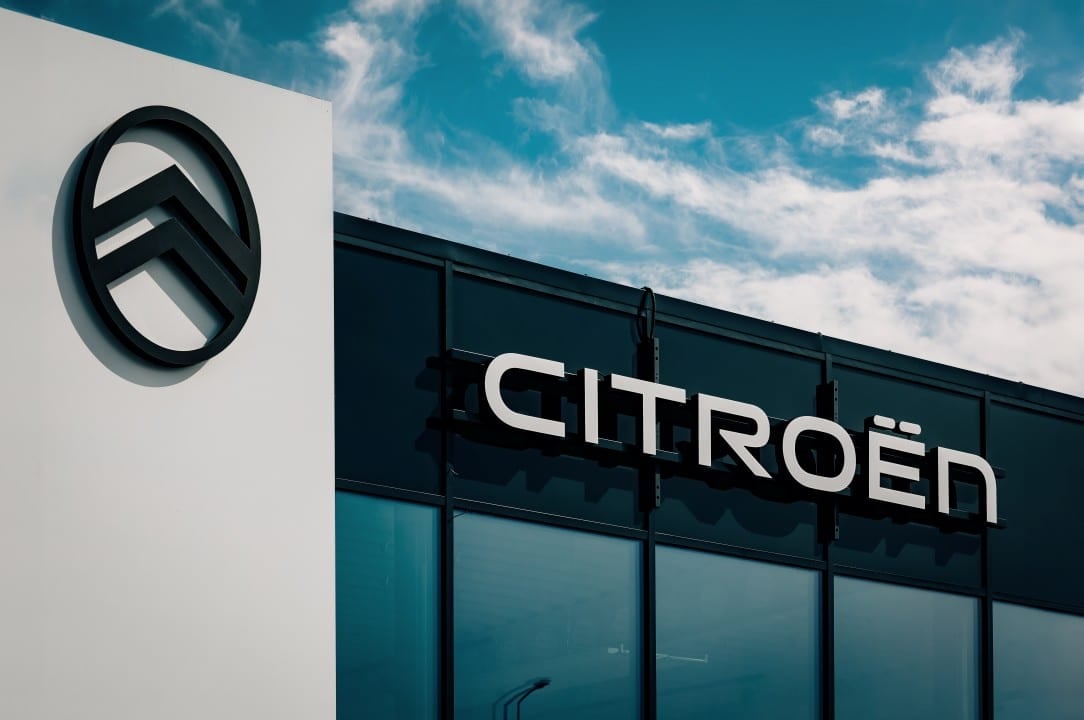
Stellantis officially presented its new bets for the competitive B segment at Europa: the Citroën C3 and the Fiat Grande Panda. Embora both models share the same base, the “Smart Car” platform, they were developed to attract different audiences, displaying completely opposite personalities and design philosophies. The group’s strategy aims to optimize production costs without sacrificing the identity of each brand.
This approach allows both Citroën and Fiat to offer affordable vehicles, with engine options including gasoline, mild-hybrid and fully electric versions. The objective is clear: to compete directly with low-cost models consolidated on the market, such as the Dacia Sandero, offering alternatives with strong visual and technological appeal.
While the C3 bets on a modern crossover look and the comfort characteristic of the French brand, the Grande Panda revives the iconic design of the original model with a retrofuturistic reinterpretation. Essa strategic differentiation will be fundamental to the success of both vehicles in an increasingly segmented and demanding market.

A common basis for different strategies
The backbone of the Citroën C3 and Fiat Grande Panda is the “Smart Car” platform, a modular architecture developed by Stellantis specifically for emerging markets and now adapted for the Europa as a low-cost solution. Derivada from the well-known CMP platform (Common Modular Platform), it was optimized to reduce manufacturing costs and allow the integration of different types of motorization. Ambos models have an identical wheelbase of 2,540 millimeters, which ensures very similar internal proportions and comparable passenger space. However, there are slight variations in external dimensions: the C3 measures 4,015mm long, while the Grande Panda is slightly shorter at 3,999mm. Essa shared foundation is the pillar of Stellantis’s strategy to increase profitability, allowing brands to focus on differentiating their products through design, finishing and embedded technologies, creating unique value propositions from common engineering.
Design as the main differentiating factor
The Citroën C3 displays a visual identity in line with the brand’s latest design language, characterized by a robust crossover style. Suas lines are more rounded and fluid, with an imposing front end marked by headlights divided into two levels and the new oval Citroën logo. The high ground clearance and plastic protections on the body reinforce its adventurous character, while the focus on comfort, a pillar of the brand, is suggested by the smooth shapes and the promise of a suspension that prioritizes impact absorption.
On the other hand, the Fiat Grande Panda takes a completely different approach, focusing on nostalgia and a retro-futuristic design. Inspirado directly in the first generation of the Panda from the 1980s, the model features square shapes and a “box” silhouette that exudes personality. Detalhes like the pixel-shaped headlights and the name “Panda” stamped in bas-relief on the sides create a unique and fun identity. The Fiat sought a look that combines simplicity with robustness, resulting in a car that stands out visually for its originality and charisma.
Shared engines for the European market
The range of engines offered for both models will be practically identical, reflecting the standardization of the platform. The entry option will be a 1.2 turbo gasoline engine, which should deliver a power of around 100 horsepower, suitable for urban and highway use.
A 48V mild-hybrid version will also be available. Este sistema auxiliará o motor a combustão em momentos de maior demanda, como acelerações e partidas, visando a redução do consumo de combustível e das emissões de poluentes, especialmente no trânsito das cidades.
The most significant bet, however, is on the 100% electric version. Equipada with a 113 horsepower engine and a 44 kWh lithium iron phosphate (LFP) battery, both models are expected to offer a range of approximately 320 kilometers in the WLTP cycle. Esta configuration positions them as competitive options in the growing affordable electric vehicle market.
Interiors with opposing personalities
The differences in philosophy extend to the interior of the vehicles. Although components such as the 10.25-inch multimedia center are shared between the most equipped versions, the dashboard design and cabin environment are radically different for each car.
The Citroën C3 prioritizes functionality and minimalism, with a panel of horizontal lines that seeks to expand the feeling of space. The two-spoke steering wheel and a small digital cluster reinforce the proposal of a clean, practical and free from excess environment, focused on ergonomics.
The Fiat Grande Panda brings the fun from the outside to the inside. The panel is marked by oval shapes, a tribute to the Lingotto test track, and the use of vibrant colors. The cabin has a more relaxed and cheerful atmosphere, with creative storage solutions and a design approach that celebrates the brand’s Italian heritage.
This duality of styles ensures that, even though we share the same technology, the onboard experience is unique and aligned with the identity of each manufacturer, offering the consumer well-defined choices.
Practical aspects and load capacity
In terms of practicality, there is a slight advantage for the Fiat Grande Panda. Seu trunk offers a capacity of 361 liters, a generous volume for the segment. In comparison, the Citroën C3 offers 310 liters, a number that is still competitive, but lower than that of its platform brother.
Thanks to the identical wheelbase, space for passengers in the rear seat is quite similar in both models. Eles are capable of comfortably accommodating four adults, making them viable options for daily use by small families or for those who need a versatile vehicle for the city.
Driving and dynamic behavior
Both vehicles were designed with a focus on comfort and agility for the urban environment. However, the Citroën should stand out in this regard by equipping the C3 with its suspension with Batentes Hidráulicos Progressivos (Progressive
Market positioning and pricing
The Citroën C3 and Fiat Grande Panda arrive on the European market to compete in the entry-level segment, targeting consumers looking for an affordable, economical car with an attractive design. The pricing strategy will be aggressive, with initial values estimated between 17 thousand and 19 thousand euros for the combustion versions.
Electric versions will play a crucial role, being positioned as some of the cheapest options on the market for those who want to migrate to electric mobility. With this offensive duo, Stellantis hopes to strengthen its presence in the B segment, offering products that, despite the common base, deliver very different value propositions and faithful to the DNA of their respective brands.



