
Prince William and Kate Middleton step up royal schedule amid treatment of King Charles III


Prince William and Kate Middleton took on an even greater role in the duties of the British crown, intensifying their public commitments in a delicate period for the monarchy. The new dynamic comes as King Charles III faces cancer treatment, highlighting a carefully orchestrated transition of responsibilities within the royal family.
In recent months, the Gales couple has been the main face of the monarchy at several official events. Their constant presence at diplomatic ceremonies, visits to charities and meetings with community leaders demonstrates not only practical training for their future roles, but also an ongoing effort to maintain the Crown’s stability and connection with the British people.
This strategic move reflects the institution’s resilience, which adapts to challenges without interrupting its essential activities. The actions of William and Kate are seen as a pillar of continuity, ensuring that the royal agenda continues normally and reinforcing the image of a united monarchy prepared for the future.
The intensification of royal duties
The schedule of the prince and princess of Gales has been significantly expanded to cover a diverse range of responsibilities that were previously shared with the monarch. William has participated in investiture ceremonies in Castelo of Windsor and represented the family in events of great national and international importance. Kate Middleton, in turn, continues to lead its initiatives focused on early childhood development, work that has become one of its trademarks. The couple’s communication strategy has also been improved, with the use of digital platforms to offer a more transparent and accessible view of their activities, communicating directly with younger generations and modernizing the public perception of royalty. Essa’s proactive approach not only fills the gap temporarily left by the king, but also solidifies the image of William and
King Charles III’s health condition
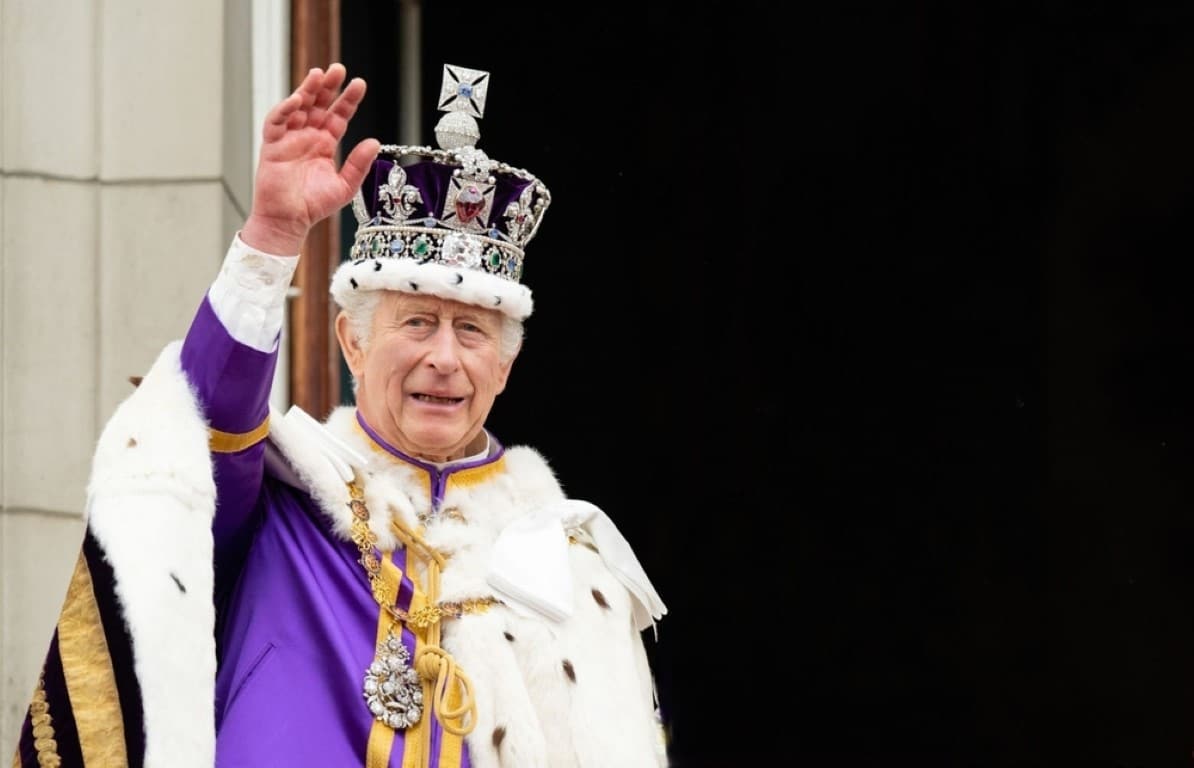
Since the announcement of his cancer diagnosis, King Charles III has shown great determination to continue his work as sovereign, albeit with an agenda tailored to the needs of his treatment. Palácio of Buckingham adopted a policy of controlled transparency, providing periodic updates on the monarch’s health to avoid speculation and reassure the nation. Ele continues to handle Estado’s affairs and hold private meetings, showing his unwavering commitment to duty.
The monarchy’s response to the king’s health challenge has been praised by experts as strategic and well-managed. By delegating more public functions to William, the crown ensures that its visibility and obligations remain intact. Essa crisis management demonstrates institutional strength and a clear line of succession, transmitting a message of stability and confidence to both Reino Unido and Commonwealth.
A carefully planned transition of power
The increasing participation of William and Kate in the affairs of Estado is not an improvised measure, but rather the result of long-term planning. Desde his youth, Prince William was prepared to assume the throne, receiving training that ranged from military service to involvement in diplomatic and philanthropic issues.
Kate Middleton, in turn, consolidated her position as a central and respected figure in the royal family. Sua ability to connect with the public, combined with a diplomatic stance and a deep commitment to her causes, positions her as a prepared and influential future queen consort.
Together, they represent the continuity and modernization of the monarchy. The couple have strived to make the institution more relevant for the 21st century, addressing topics such as sustainability, mental health and social equality, ensuring the crown remains a symbol of unity and leadership for future generations.
The fundamental role of Kate Middleton
The princess of Gales plays a crucial role in sustaining the public image of the monarchy. Sua popularity is attributed to her ability to balance the formality required by royal protocol with a warm and empathetic approach in her public interactions. Ela became one of the most admired royal figures.
His work with The Royal Foundation Centre for Early Childhood is an example of his commitment to causes with lasting impact. By focusing on the importance of the first years of a child’s life, Kate not only leads a relevant social initiative, but also demonstrates a strategic vision for the country’s future, strengthening its image as an attentive and proactive leader.
William and preparation to assume the throne
William’s preparation to become king is a process that has been unfolding for decades. Sua experience as a search and rescue pilot in the Força Aérea Real (RAF) is often cited as a formative period that gave him discipline, leadership and a deep understanding of public service.
In addition to his military background, the prince was involved in numerous charitable initiatives. Projetos like the Heads Together campaign, focused on mental health, and the Earthshot award, which encourages solutions to the climate crisis, show their ability to use the real platform to drive meaningful change.
His pragmatic personality and strategic vision are seen as essential qualities for a future monarch. Ele understands the need for the monarchy to evolve to maintain its relevance in an ever-changing world.
Royal analysts point out that his reign will likely be marked by a more direct and results-focused leadership style, combining respect for tradition with an innovative approach to global challenges, ensuring a smooth and effective transition when the time comes for his accession to the throne.
Global relevance and the future of the monarchy
The influence of the British monarchy transcends the borders of the Reino Unido, playing a significant role in global diplomacy. William and Kate’s international travel and meetings help to strengthen Reino Unido’s ties with other nations and promote British interests abroad. The couple have used their position to highlight pressing issues such as the climate crisis and wildlife conservation, reinforcing the perception that royals can act as a force for common good on a global scale.



