
Galaxy S25 FE surpasses Pixel 10a in cameras but loses in battery and compact size

The Google Pixel 10a and the Samsung Galaxy S25 FE hit the market as attractive options for consumers looking for advanced features without paying top-of-the-line flagship prices. Ambos models feature powerful processors, high-quality screens and long-term support for software updates. The differences appear mainly in the design, cameras and battery life.
Both devices run Android 16 from the factory and promise seven years of updates, which guarantees longevity. The Pixel 10a stands out for its compact size and lower starting price, while the Galaxy S25 FE offers a larger screen and a more versatile camera set. The choice depends on the user’s priorities, such as portability or zoom photography.
Experts point out that these launches intensify competition in the segment below a thousand dollars. Consumidores gain balanced options with integrated artificial intelligence technologies.
Design and construction
The Google Pixel 10a adopts a more compact format, measuring 154.7 x 73.3 x 8.9 mm and weighing 186 grams. Sua rear uses durable plastic material, available in vibrant colors such as Berry, Fog, Obsidian and Porcelain. Esse finish gives a premium feel despite the low cost.
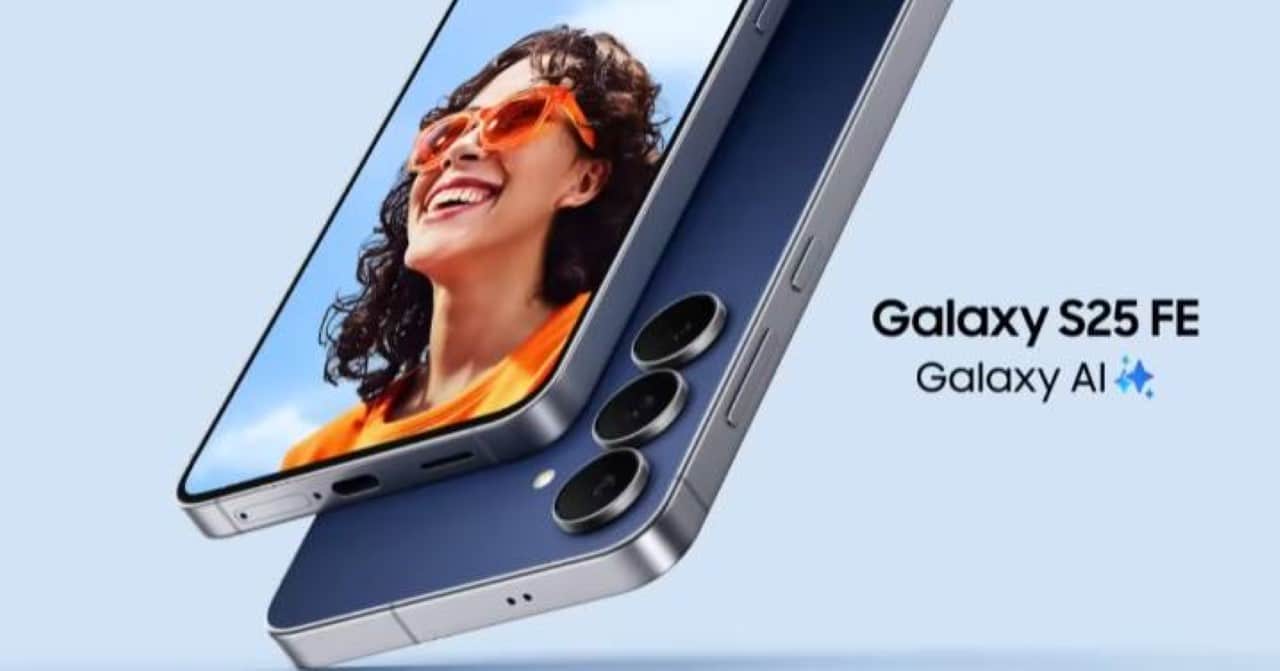
The Samsung Galaxy S25 FE measures 161.3 x 76.6 x 7.4 mm and weighs 190 grams, with a thinner body and glass back protected by an aluminum frame. Color options include Icyblue, Jetblack, Navy and White, conveying greater elegance. Ambos are certified for water and dust resistance.
- Compact dimensions favor one-handed use in the Pixel 10a.
- Glass and aluminum construction gives the Galaxy S25 FE a more refined feel.
- Balanced weight prevents fatigue during prolonged use in both models.
The design of the Pixel prioritizes daily ergonomics, while the Samsung focuses on a sophisticated look.
Screens and visual experience
The Galaxy S25 FE features a 6.7-inch Dynamic AMOLED display with a resolution of 2340 x 1080 pixels and a refresh rate of 120 Hz. Brightness peaks at 1900 nits, ensuring visibility in bright sunlight. Color reproduction proves accurate in real-world testing.
On the other hand, the Pixel 10a features a 6.3-inch OLED screen with a resolution of 2424 x 1080 pixels and the same refresh rate of 120 Hz. Seu maximum brightness reaches 2000 nits, a slight advantage in outdoor environments. Ambos use Gorilla Glass protection and under-display fingerprint sensors.
The Samsung’s larger screen benefits media consumption and gaming. The Google model pleases those who prefer easy-to-transport devices. Both deliver similar fluidity in navigation and applications.
Tests indicate excellent color calibration in both, with HDR support.
Performance and software
The Pixel 10a uses an Google Tensor G5 chip manufactured in 3 nm, with 8 GB of LPDDR5X RAM. Benchmarks register around 2300 points in single-core and 5600 in multi-core. The focus on artificial intelligence optimizes tasks such as photo editing and virtual assistants.
The Galaxy S25 FE comes with Exynos 2400 at 4nm and the same amount of RAM. Pontuações are around 2200 single-core and 7100 multi-core, an advantage in parallel processing. Armazenamento 128GB base uses faster UFS 4.0 on model Samsung.
Both offer seven years of updates and advanced AI features. Pixel integrates Gemini Nano natively, while Galaxy brings Galaxy AI tools. Jogos heavy loads run without choking on both devices.
- Superior multi-core performance on the Exynos for multitasking.
- Smoother AI optimization on Tensor for Google resources.
- Expandable storage up to 512 GB on Samsung only.
The general balance favors everyday use without hiccups.
Camera system
The Galaxy S25 FE has a triple set with a 50 MP main sensor, a 12 MP ultra-wide-angle sensor and an 8 MP telephoto lens with 3x optical zoom. Registros show high details and natural colors, especially in portraits and distant scenes. Recording reaches 4K 60 fps with HDR.
The Pixel 10a has a dual camera: 48 MP main camera and 13 MP ultra-wide-angle camera, without a telephoto lens. Processamento’s computational Google pays off with sharp photos and efficient night mode. Resultados impress in varying light conditions.
The Samsung has greater versatility thanks to the optical zoom. The Pixel shines in automatic processing and consistency. The 13 MP Selfies on the Google and 12 MP on the Samsung deliver similar quality.
- Dedicated telephoto lens expands creative options on the Galaxy.
- Google algorithms intelligently correct imperfections in Pixel.
- Competitive night mode on both devices.
Laboratory tests give the S25 FE a slight advantage in overall scores.
Battery and charging
The Pixel 10a incorporates a 5100 mAh battery, offering superior autonomy in moderate use. Testes simulate up to seven hours of active screen time, benefiting from the efficient chip. Carregamento wired reaches 23 W and wireless at 7.5 W.
The Galaxy S25 FE has 4900 mAh, lasting close in similar scenarios. Suporte 45 W fast charge allows full recharge in about an hour. Carregamento wireless reaches 15 W, double the competitor.
The greater capacity pays off in Pixel for intense days. Speed favors Samsung in busy routines. Ambos manage power optimally with Android 16.
- Slightly better autonomy on the Pixel in streaming.
- Cooldown halved on Galaxy.
- Reverse support missing on both models.
The balance meets daily demands without problems.
Prices and availability
The Pixel 10a starts at approximately $499 for the base 128GB version. Parallel Importação increases values in some markets, but maintains an accessible position. Lançamento scheduled for February 2026 expands options.
The Galaxy S25 FE costs around US$649, a difference of US$150 justified by the larger screen and extra cameras. Disponibilidade immediate on official networks facilitates purchase with local guarantee.
- 256 GB version available on both devices.
- Launch promotions reduce starting prices.
- Trade-in accepted by Google and Samsung.
The cost-benefit ratio varies depending on the buyer’s priorities.
The premium intermediary segment gains strength with these models. Consumidores find a balance between performance, photography and durability. Choices reflect personal preferences for size or specific features.



