
Galaxy S26 Ultra leaks reveal enlarged 6.9 screen and redesigned camera system


New information about the long-awaited top of the line Samsung for the next release cycle has begun to emerge, outlining the possible innovations of the Galaxy S26 Ultra. The data, which circulates through specialized channels and comes from sources linked to the production chain at Ásia, indicates an evolution focused on two central pillars of the user experience: the photographic system and the immersion quality of the screen.
Expectations are high, as the South Korean giant seeks to consolidate the Ultra line as the maximum reference in the Android smartphone market. Preliminary details suggest that the company will go to great lengths to improve crucial hardware components to deliver practical advances in low-light image capture and multimedia content viewing.
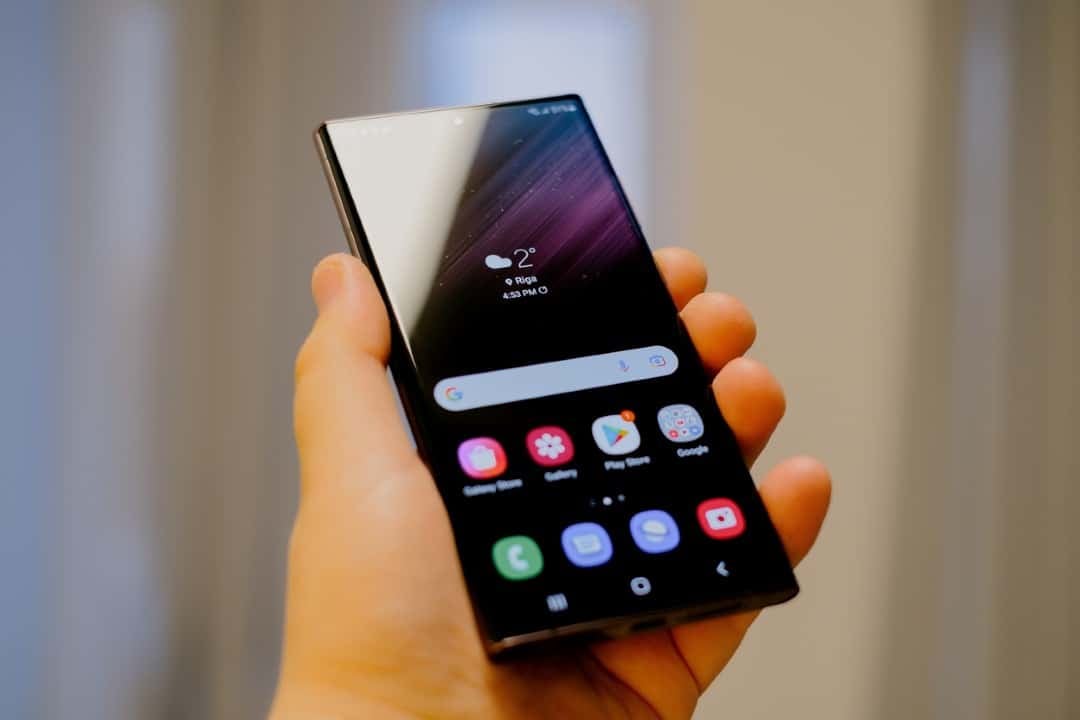
Despite Samsung’s usual secrecy regarding future products, the leaks provide a solid picture of what to expect. The specifications point to a device that balances robustness and elegance, with a refined construction, smaller thickness and an optimized weight to improve ergonomics during continuous use.
A new arrangement for the rear cameras
The main change expected for the Galaxy S26 Ultra is concentrated in the rear camera module, which should abandon the vertically aligned lens design in favor of a unified block. Essa change not only gives the device a new visual identity, but can also optimize the internal space for the inclusion of larger and more advanced sensors. The main sensor must maintain a resolution of 200 MP, but with significant improvements in its physical size and an aperture of f/1.4, allowing more light to enter for night photos with greater clarity and less noise. Optical image stabilization (OIS) will also be improved to compensate for shake more efficiently.
Complementing the set, the ultra-wide-angle camera will be upgraded to a 50 MP sensor with a 120-degree field of view, ideal for capturing expansive landscapes and group photos with more detail. The zoom system, one of the line’s biggest differentiators, will consist of two telephoto lenses. The first, periscopic, will have 50 MP with 5x optical zoom and a larger 1/2.52-inch sensor, while the second lens will offer 10 MP with 3x optical zoom and a 1/3.94-inch sensor. Essa combination aims to provide versatility and superior image quality at all focal lengths, while maintaining clarity even at extreme close-ups.
Larger screen with improved brightness
The display of the S26 Ultra should have a slight increase, reaching 6.9 inches, and will be equipped with the latest generation of OLED panels from the Essa technology promises advances in energy efficiency, color reproduction and contrast levels, resulting in more vibrant images and absolute blacks.
The resolution will be maintained at QHD+ (1,440 x 3,120 pixels), which ensures an extremely high pixel density for impeccable sharpness in texts, icons and videos. The adaptive refresh rate, which adjusts the fluidity of the screen from 1 Hz to 120 Hz according to the content displayed, will continue to be one of the highlights to optimize the user experience and battery life.
Another point of evolution will be the maximum brightness of the panel, which should surpass the 2,600 nits of the previous model. Esse increment ensures perfect visibility in direct sunlight, drastically improving outdoor usability and content viewing with HDR technology.
Performance split between two processors
Samsung must maintain its global strategy of equipping the Galaxy S26 Ultra with two different processors, varying according to the sales region. In Para markets such as Estados Unidos and China, the device will come with the long-awaited Snapdragon 8 Elite Gen 5 for Galaxy chip, a customized version with higher operating frequencies.
This platform is designed to deliver maximum performance in CPU and graphics processing, making it ideal for heavy gaming and generative artificial intelligence applications directly on the device. The exclusive optimization for the Galaxy line seeks to guarantee better performance than other devices with the standard version of the chip.
In other regions, such as Europa and part of Ásia, the smartphone will be powered by the Exynos 2600 processor, developed in-house by Samsung. The expectation is that this new generation will significantly reduce the performance gap compared to its Qualcomm competitor, with a focus on energy efficiency and an improved neural engine.
To support these processors, the S26 Ultra will feature configurations of up to 16 GB of LPDDR5X RAM memory, ensuring fluid multitasking even with dozens of applications open. Internal storage options should start at 256 GB, reaching 1 TB, with UFS 4.0 technology, which provides ultra-fast reading and writing speeds for launching apps and transferring files.
Design and construction details
The overall design of the Galaxy S26 Ultra will maintain the rectangular lines that characterize the series, but with ergonomic refinements to make use more comfortable. The structure of the device will continue to be made of titanium, a material that combines high resistance to impacts and scratches with reduced weight. The slight decrease in thickness, which should drop to 7.9 mm, indicates engineering work to optimize the arrangement of internal components without compromising the battery capacity or the robustness of the set. The device’s grip will be improved, even with the screen enlargement, thanks to even thinner edges and a subtle curvature on the sides that fits better in the hand. The essential IP68 certification against water and dust will continue to be present, ensuring the protection of the smartphone in adverse conditions, such as rain or accidental immersion in fresh water. The S Pen, one of the most iconic elements of the line, will remain integrated into the body of the device, with improvements in latency for an even more natural and responsive writing and drawing experience. Novas software features should expand its use as a productivity tool and remote control for the camera and other applications.
Autonomy and charging speed
The battery capacity must be maintained at 5,000 mAh, a value that has become standard for the brand’s flagships and which, combined with the efficiency of the new processors and screen, should guarantee autonomy for a full day of intense use.
The main innovation, however, will be in the loading speed. Rumores point to a significant advance in wired charging, which can reach 60W of power through the USB-C port, allowing the battery to be recharged from 0 to 100% in a drastically reduced time, close to 30 minutes.
State-of-the-art connectivity and software
The Galaxy S26 Ultra will ship with the Android 16 operating system, running under the new One UI 8 of the The company must reaffirm its commitment to longevity by offering seven years of system updates and security patches, an important differentiator that extends the life of the device and protects the consumer’s investment.
Expected specifications
Other expected features include an ultrasonic under-screen fingerprint reader, with a larger reading area and faster response, and an improved stereo speaker system, with AKG optimization for a richer, more immersive audio experience.
The front camera, although less detailed in current leaks, should maintain 12 MP resolution with autofocus and receive software optimizations for high-quality selfies, especially in challenging lighting conditions and with the use of more accurate portrait mode effects.



