
Indian market receives Nissan’s new Gravite minivan with bold design and space for seven occupants


Nissan has made its expansion plans official in the competitive Índia automotive market with the confirmation of a new family vehicle. Trata is the Gravite, a minivan designed to accommodate up to seven passengers, which seeks to combine modern design, versatility and an equipment package focused on the needs of local consumers. The model is a fundamental piece in the brand’s strategy to diversify its portfolio in the region.
The development of the vehicle is the result of the strategic alliance between Renault and Nissan, which aims to optimize platforms and production processes to launch a series of new products in the coming years. The Gravite will share its technical foundation with the successful Renault Triber, leveraging an already established architecture to offer an affordable and spacious mobility solution for families.
Production will be centralized at the alliance’s factory in Chennai, a key industrial hub for the company’s operations in the country. The commercial launch is scheduled for the first quarter of 2026, positioning the Nissan to compete in one of the fastest growing segments in the Índia, multi-purpose vehicles (MPV).
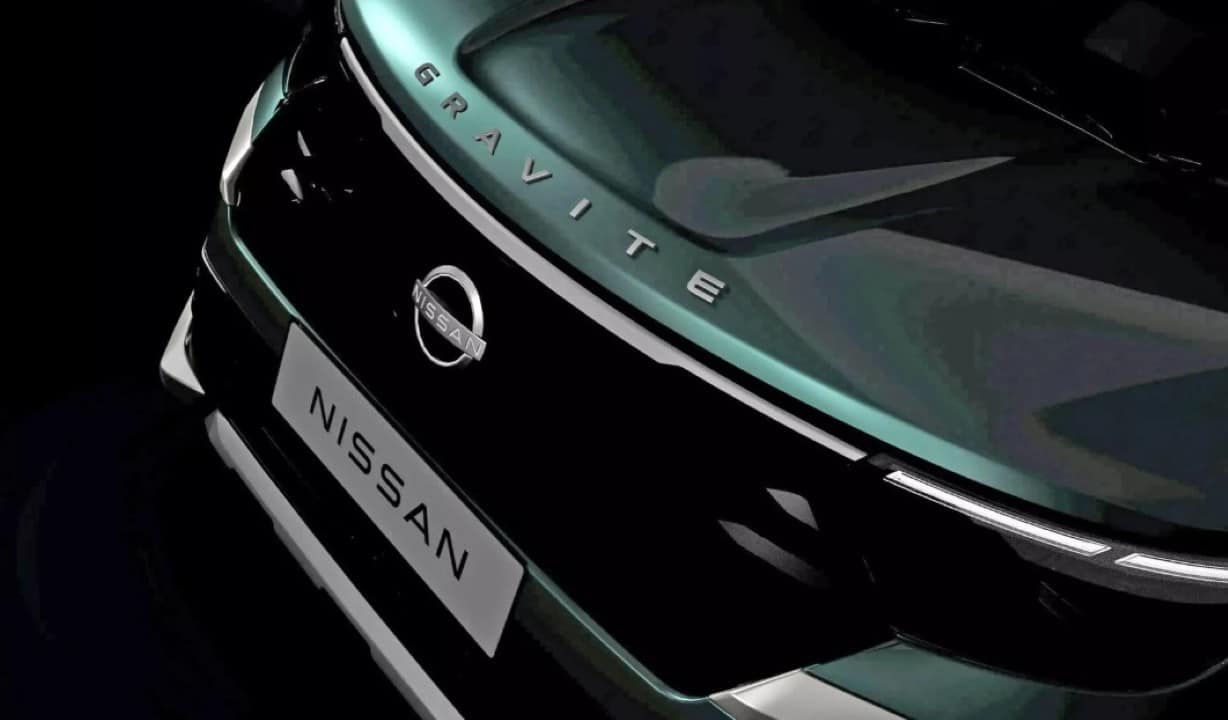
Gravite’s robust visual identity
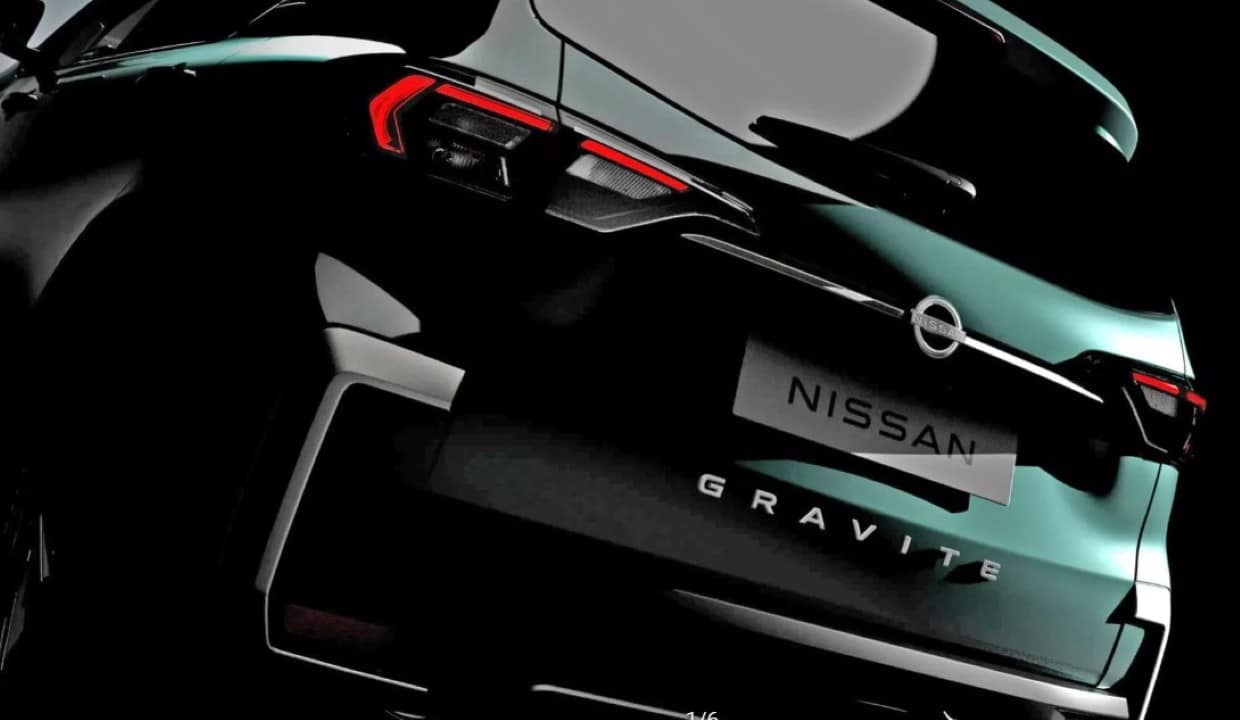
The design of the Nissan Gravite was carefully designed to stand out in the category, incorporating aesthetic elements that refer to the brand’s SUVs. The front is dominated by the V-Motion grille, a characteristic feature of the Nissan, which has been updated and integrated with an optical assembly with a signature LED, giving it a modern and imposing appearance. The robust bumper, with prominent air intakes, reinforces the feeling of solidity. The side lines are fluid, but have well-defined wheel arches and plastic protections at the bottom, another reference to the world of sports utility vehicles. At the rear, the C-shaped taillights are connected by a horizontal bar, creating a unique visual identity and ensuring that the model is easily recognizable. The proposal is to offer the practicality of a minivan with a more adventurous and dynamic visual appeal, moving away from the segment’s traditionally conservative style and attracting an audience that values both functionality and aesthetics.
Interior designed for maximum versatility
The Gravite cabin was designed with total focus on flexibility and occupant comfort. The three-row seating configuration allows for up to seven people, making it ideal for large families or those who need extra space for luggage and passengers.
One of the main differences of the project is the modularity of the seats. The system, which the brand calls “walk-through”, facilitates access to the third row, a point often criticized in vehicles of similar size. The seats can be folded or removed to expand the cargo compartment.
Nissan also invested in the quality of materials and internal finishing, seeking to offer a perception of superior value. The instrument panel must have a modern multimedia center and smartphone connectivity, as well as several storage compartments distributed throughout the cabin.
Reinforced strategy in the Indian market
The launch of the Gravite is part of a broader investment plan by Aliança Renault-Nissan in the
With the new minivan, Nissan expands its product range and begins to compete directly in a high-volume segment, competed by models such as the Maruti Suzuki Ertiga. The strategy aims to capture a larger share of a constantly expanding market with great demand for family and versatile vehicles.
CMF-A+ engine and platform
Under the hood, the Nissan Gravite will be equipped with a 1.0-liter, three-cylinder, naturally aspirated gasoline engine. Este engine is known for its fuel efficiency, a crucial factor for Indian consumers.
The powertrain is capable of generating 72 horsepower and 96 Nm of torque, figures suitable for the vehicle’s urban and family proposal. The focus is on savings and low maintenance.
Transmission options will include a five-speed manual transmission and an automated alternative (AMT), also with five speeds. The AMT box offers greater comfort in congested traffic in large cities, without a significant increase in the final cost of the vehicle.
The model is built on the CMF-A+ platform, the same one used by the Renault Triber and the Nissan Magnite. Essa modular architecture is praised for its good use of internal space and structural robustness, ensuring safety and balanced dynamic behavior for local road conditions.
Positioning and main competitors
Nissan Gravite will enter one of the most competitive segments of Índia. The Seu’s main target will be the market leader, the Maruti Suzuki Ertiga, but it will also compete with its platform “brother”, the Renault Triber, and other models such as the Kia Carens in their entry-level versions.
To differentiate itself, the Nissan’s focus is on a bolder design, inspired by SUVs, and a list of equipment that must include comfort and technology items to attract consumers looking for a complete car for the family.
Arrival and production forecast
Series production of the
Local manufacturing is essential to maintain competitive costs and guarantee an attractive final price, allowing Nissan to position the model aggressively to gain sales volume and strengthen its market share in the country.
Brand expectations with the new product
With Gravite, Nissan seeks not only to increase its sales volume, but also to consolidate its image as a brand that offers modern, reliable products adapted to the specific needs of the Indian consumer. The success of the model will be vital to the company’s growth plans over the next decade.



