
Xiaomi ends support for Redmi Note 12 and Poco F5, exposing millions of users to digital risks


Xiaomi has officially announced the schedule for ending software support for several of its popular smartphones, with discontinuation scheduled to occur throughout 2026. The measure directly affects high-volume models from the Xiaomi, Redmi and Poco lines, including the successful Redmi Note 12 and Poco F5. Essa decision means that devices will no longer receive new versions of the HyperOS interface and, more critically, will no longer have access to essential security patches.
The Chinese manufacturer’s support policy establishes a limited life cycle for devices launched before its recent strategic change, which began offering extended updates. The models that will end support were launched between 2022 and early 2023, operating under the old guideline of three to four years of updates, a period that for many of them is approaching its end.
The end of the software life cycle impacts millions of consumers globally who still use these smartphones in their daily activities. The absence of security patches makes devices progressively more vulnerable to flaws and digital threats that are constantly being discovered, raising concerns about the protection of personal and financial data.
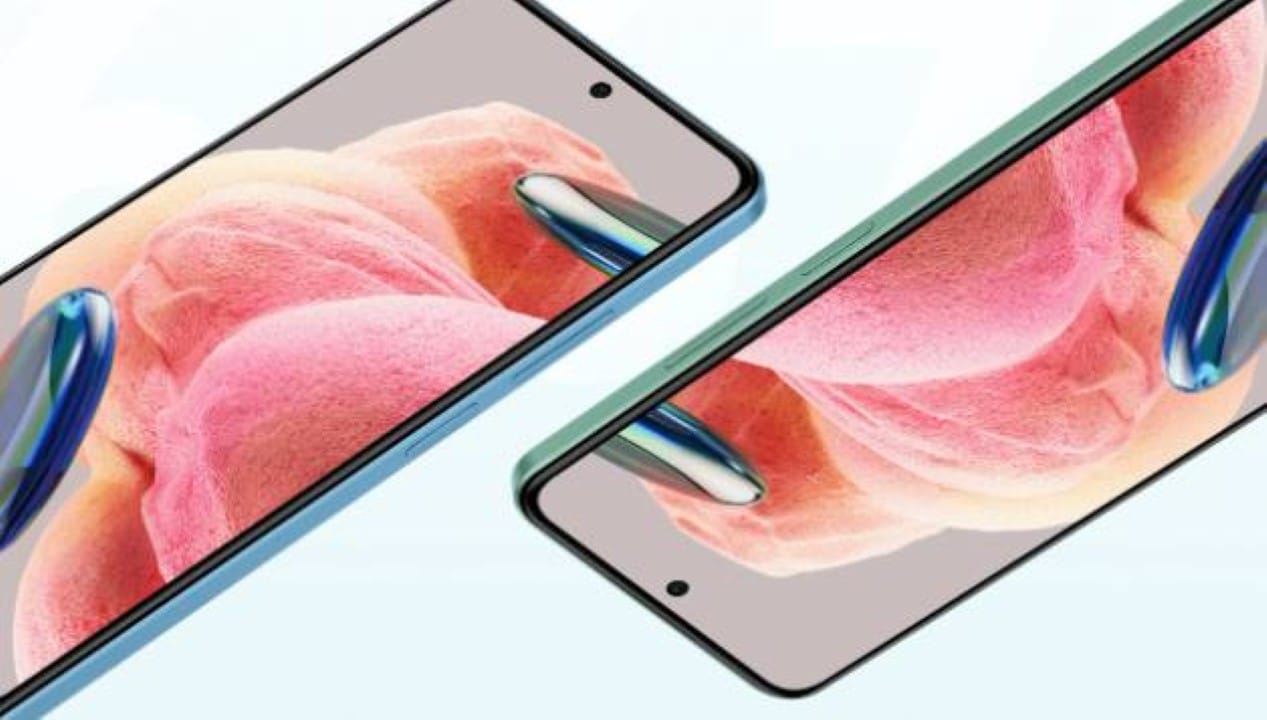
Models from the Xiaomi 12 line affected by the schedule
The Xiaomi 12 series, which represented the brand’s flagships in 2022, is among the first to feel the impact. The Xiaomi 12 and 12 Pro devices, which at the time were the pinnacle of the company’s technology, will have their support ended in the first quarter of 2026.
The most affordable versions of the same family, the Xiaomi 12X and the Xiaomi 12 Lite, will follow a similar schedule. Ambos the models, which attracted consumers by offering a premium experience at a reduced cost, will no longer receive security patches from March 2026, according to information released on the company’s official channels. The Xiaomi 12T line, launched at the end of 2022 and consisting of the 12T and 12T Pro models, will have a slightly longer lifespan. Support for these smartphones, known for their performance and advanced cameras, is scheduled to continue until October 2026, offering a few additional months of protection to their users.
Reaching end of support for Redmi Note 12 series
The Redmi Note 12 line is one of the most successful in the history of Xiaomi, especially in emerging markets such as Brasil and Índia, where millions of units have been sold. The end of support for this series is particularly significant due to its huge user base. The most robust models, such as the Redmi Note 12 Pro+ 5G and the Redmi Note 12 Pro 5G, will have their update cycle completed in mid-2026.
However, the entry-level versions of the family will have a shorter end of cycle. Support for the Redmi Note 12 5G will be discontinued in the first quarter of 2026, while the very popular 4G version will receive its last update in April of the same year. The balance between accessibility and adequate features has driven massive sales of this line.
Now, that same popularity exposes a vast number of consumers to security risks that will accumulate over time as new flaws in the operating system are discovered and not fixed. Isso creates a worrying scenario where a large number of active devices will become an easy target for malicious activity.
Changes for users of Poco devices
The Poco sub-brand, known for focusing on performance with aggressive pricing, will also have important models discontinued. The Poco F5 5G, a device praised for its Snapdragon 7+ Gen 2 processor and aimed at gamers, will receive its latest security patch in May 2026.
Meanwhile, the models in the X5 line, the Poco X5 Pro 5G and the Poco X5 5G, will face an even faster end of support. Ambos the devices, which stood out in the intermediate segment, will stop being updated in the first quarter of 2026, completing a relatively short life cycle.
The evolution of Xiaomi’s update policy
It is important to note that Xiaomi has already revised its update policy for newer devices. In a move to align with competitors like the Samsung and Google, the company has significantly expanded the support cycle for its premium models launching from 2023 onwards.
This strategic change benefits consumers who purchase the most recent launches, ensuring a longer and safer useful life for their investments. However, the new policy is not retroactive, which means that owners of older models, such as those that will be discontinued in 2026, will not benefit from this extension, leaving them stuck with the support cycle defined at the time of its launch.
The risks of using a smartphone without updates
The main consequence of ending software support is exposure to security vulnerabilities. Sem monthly or quarterly patches, smartphones become easy targets for malware, exploits and other cyberthreats that exploit known flaws in older versions of the Android system. Essas threats can result in the theft of personal data, banking credentials and other sensitive information stored on the device. Over time, a lack of updates can also lead to compatibility issues, especially with applications that require a minimum level of security to function, such as those from financial institutions and digital payment services. In corporate environments, outdated devices are often blocked from accessing company networks and emails because they do not comply with security policies, affecting professionals who depend on their cell phones for work.
Alternatives for device owners
For users of affected devices, the main recommendation is to install all available security updates before the deadline. Após the end of support, it is essential to take extra care with digital security.
This includes avoiding downloading apps from untrusted sources, a practice known as sideloading, which significantly increases the risk of malware infection.
It is also crucial to be wary of suspicious links or attachments received via email, SMS or messaging apps, as they are common vectors for phishing attacks.
An alternative for technically advanced users is to install custom ROMs, such as LineageOS. Esses Alternative, community-developed operating systems may provide newer versions of Android and security patches for devices that are no longer officially supported. Contudo, this process is complex, can void the warranty and, if carried out incorrectly, can render the device unusable.
Planning device replacement
Although the devices’ hardware remains functional for basic tasks, the lack of security makes their daily use risky in the long term. The Xiaomi decision reflects the natural cycle of the technology industry, where manufacturers need to focus their resources on developing new generations of products. Para affected consumers, the safest solution is to start planning the transition to a newer smartphone that offers an extended support cycle and ensures protection against future digital threats.




