
39% drop in Xbox Series sales in the UK represents the brand’s worst historical performance

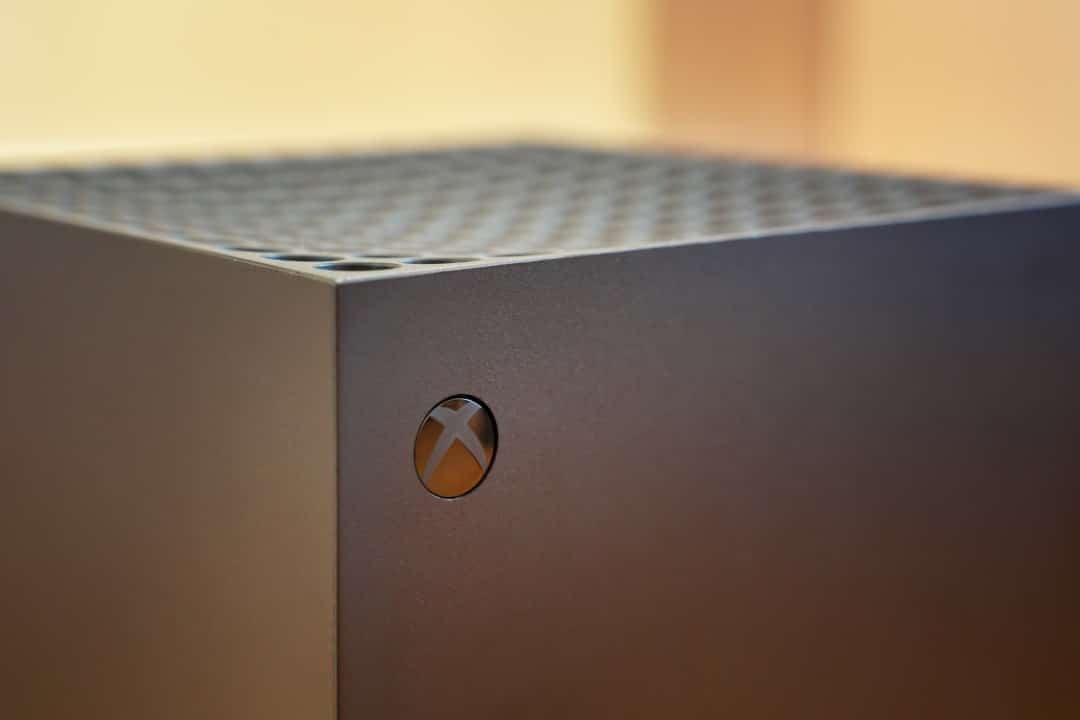
The gaming market in the Reino Unido witnessed a negative milestone for the Microsoft, with sales of the Xbox Series X and Series S consoles recording a sharp drop of 39% over the last year. Este decline resulted in the worst annual performance in the brand’s history in the region, a territory where the company once enjoyed fierce competition. The numbers reflect not only a general retraction in the hardware market, but also the direct consequences of Microsoft’s new strategy, which has prioritized the expansion of services like Game Pass and the launch of its games on competing platforms. As the technology giant refocuses on the software ecosystem, its physical presence on shelves and in British homes dwindles at an alarming rate, raising questions about the future of Xbox hardware in one of its historically most important markets.
This strategic shift aims to build a broader player base that isn’t solely dependent on owning an Xbox console. The idea is for the brand’s ecosystem to thrive through subscriptions and game sales across multiple platforms, including PC, mobile devices and even rival consoles from Sony and Nintendo. However, this approach has a visible cost in the short term: the loss of relevance in the console sales war.
Consolidated data indicates a significantly lower performance than any other period of Microsoft in the country. The situation contrasts sharply with the success of the Xbox 360 era, when the platform competed on an equal footing with the PlayStation 3. Agora, the scenario is a distant dispute, with the Xbox occupying a consolidated third position behind its main competitors.

Performance in the British market
Detailed analysis of the sales figures at Reino Unido reveals the depth of the challenge faced by Microsoft. Fontes from the sector estimate that approximately 278 thousand units of Xbox Series X|S consoles were sold in the country during the period, a considerably low volume for a large platform. Esse result not only represents a 39% drop compared to the previous year, but also positions the brand in a delicate situation, where the installed base grows at a much slower pace than its rivals. The Reino Unido, traditionally one of the most receptive markets for Xbox products outside of the América of the Norte, is now proving to be difficult terrain.
Comparison with previous generations makes the scenario even more worrying for the company. Durante the height of Xbox 360, the brand managed to establish a temporary lead and maintain healthy competition with Sony, creating a loyal and engaged fan base. The current generation, however, has not been able to replicate this success. Fatores such as a lack of high-impact exclusives early in the lifecycle and a communications strategy that sometimes seemed ambiguous regarding the importance of hardware may have contributed to this erosion of market share. The consequence is a growing gap to leadership, making it difficult to regain relevance in physical and digital retail.
Disparity during Black Friday
The promotional period for Black Friday, one of the most important thermometers for electronics retail, clearly exposed the fragility of Xbox’s position in Reino Unido. Durante the week with the biggest discounts, Microsoft consoles were responsible for just 10% of total hardware sales in the British market. Este number is a strong indication of the platform’s low traction at crucial moments of purchasing decisions.
In direct contrast, Sony’s PlayStation 5 dominated the event, capturing an impressive 62% of console sales. Esse’s success was driven by aggressive discounts and attractive promotional packages, especially for the PS5 model Pro, which had its best sales week outside of the launch period. Sony’s strategy of focusing on high-value hardware offerings has proven extremely effective.
Even the recently launched Nintendo Switch 2 outperformed the Xbox, capturing 23% of the market in the same week. The original Nintendo console, even at the end of its cycle, still managed to capture 5% of sales, demonstrating the continued strength of the Japanese brand. The performance of the Xbox in this crucial period signals a difficulty in competing in both the premium and entry segments.
The shift in focus to services and multiplatform
The drop in hardware sales is not an isolated event, but rather a reflection of a fundamental transformation in the philosophy of the Xbox division, led by Phil Spencer. Microsoft has consistently signaled that the brand’s success will no longer be measured primarily by the number of consoles sold, but by reach and engagement within its service ecosystem. The “Xbox Everywhere” strategy seeks to bring the gaming and Game Pass experience to as many screens as possible, regardless of device. Essa vision culminated in the historic decision to bring previously exclusive titles, such as Halo, Hi-Fi Rush and Sea of Although this approach expands the reach of Microsoft’s software and generates new sources of revenue, it inevitably reduces the exclusive appeal of purchasing an Xbox console, which directly impacts hardware sales. It’s a long-term bet that sacrifices dominance in physical retail in exchange for a more ubiquitous presence on the global digital gaming scene.
Comparison with main competitors
While the console market as a whole has faced a slight downturn over the past year, the impact on Xbox has been disproportionately greater. The decline of the Microsoft platform was much more pronounced than that observed in the PlayStation 5 numbers, which managed to maintain a more stable and robust sales base.
Sony continues to reap the rewards of a strategy focused on strong exclusives and keeping hardware at the center of its gaming experience. Critically and publicly acclaimed Títulos serve as strong incentives to purchase the console, a competitive advantage that Microsoft has struggled to match this generation.
On the other hand, Nintendo once again demonstrated its ability to operate in its own market range. The successful launch of the Nintendo Switch 2 injected new vigor into the industry and quickly established the console as a force to be reckoned with, attracting both casual audiences and dedicated fans of the brand.
In this scenario, the Xbox finds itself under pressure from two sides: on the one hand, the premium and exclusive strength of the Sony, and on the other, the innovation and family appeal of the
The absence of a hardware update
One factor that may have contributed to the Xbox’s modest performance was the absence of a mid-generation hardware upgrade, such as an “Pro” model. Enquanto to Sony capitalized on market interest with the launch of the PS5 Pro, offering more processing power and better graphics.
This decision left the brand without a direct answer in the high-performance segment during key promotional periods, such as Black Friday, when enthusiastic consumers seek the best technology available. The lack of new features in the hardware portfolio may have reduced interest and the perceived value of the Xbox platform compared to new competitive offerings.
Future plans for Microsoft hardware
Despite the disappointing sales figures, Microsoft has already confirmed that it is not abandoning the console market. Executivos from the company, including Xbox president, Sarah Bond, stated that the hardware team is actively working on the next generation of devices, promising the “biggest technical leap ever seen” on a new platform.
Details about the future console are still scarce, but the company reiterates its commitment to providing a cutting-edge local gaming experience. Essa communication aims to reassure the fan base and signal to the market that, although the services strategy is the priority, the development of innovative hardware continues to be a fundamental pillar for the future of the Xbox brand.
The impact on sales numbers
The consolidated indicators paint a clear picture of the situation. The 39% year-on-year decline and a market share of just 10% during Black Friday is data that highlights the growing gap between Xbox and the market leaders in Reino Unido. Analistas from the sector point out that the total sales volume was below the 300 thousand units mark, a number that highlights the platform’s difficulty in attracting new consumers in the region.



