
Commercial success of new titles leads Konami to plan annual releases for the Silent Hill franchise

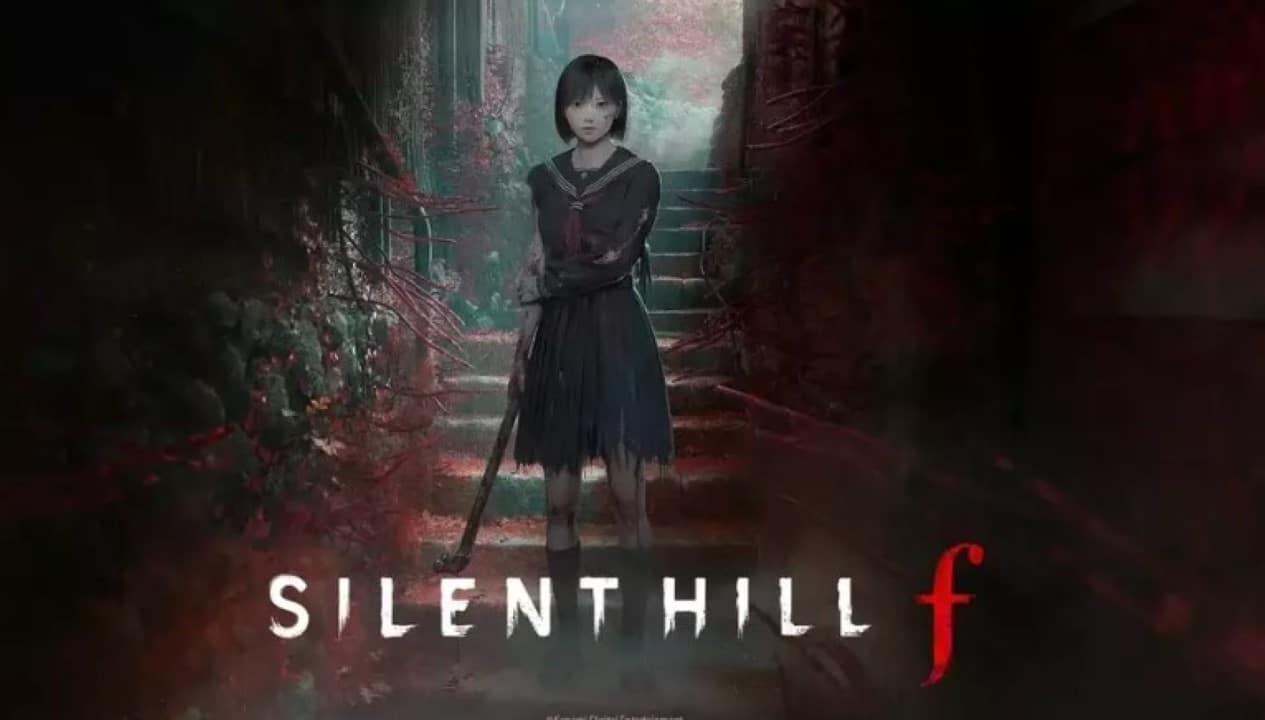
Konami has announced plans to establish an annual release schedule for the acclaimed horror franchise Silent Hill. The strategic decision comes as a direct response to the significant commercial and critical success of the most recent titles, which revitalized public interest and once again solidified the series’ position in the global games market.
This new lease of life for the franchise was mainly driven by the sales performance of the remake of Silent Hill 2, released in October 2024, and Silent Hill f, which hit the market in September 2025.
Internal company sources indicate that the objective is to maintain the series’ relevance and explore different facets of its universe through a regular cadence of new projects. The strategy involves collaboration with multiple development studios to ensure the creative diversity and quality of future games, avoiding the stagnation of the formula.
The commercial resurgence of the franchise
Silent Hill’s return to the top of the horror genre was marked by impressive numbers. The remake of Silent Hill 2, developed by Polish studio Bloober Team, sold more than 2.5 million copies worldwide in the first few months after its release. The project was widely praised for its ability to modernize the 2001 classic, utilizing the Unreal Engine 5 graphics engine to recreate its dense and unsettling atmosphere with an unprecedented level of detail.
The success of the remake was crucial in reaffirming the commercial viability of projects that respect the original material, but update it to the technical and gameplay expectations of contemporary audiences. Bloober Team’s approach managed to balance narrative fidelity with gameplay improvements, which appealed to purists and new players alike.
Following this positive wave, Silent Hill f, developed by NeoBards studio Entertainment, surpassed the mark of 1 million units sold. The title stood out for its innovative proposal, set in the Japão of the 1960s.
The combination of the success of a faithful remake and a bold original title has convinced Konami management that there is a strong appetite for different types of experiences within the Silent Hill universe. Essa perception was the main catalyst for the decision to invest in a more aggressive and constant development cycle.
Multi-studio strategy
To sustain a rhythm of annual releases, Konami diversified its portfolio of partner developers, delegating different projects to studios with different specialties. Essa tactic allows multiple games to be produced simultaneously, ensuring a continuous flow of content without overloading a single team. The company has acted as a creative supervisor, ensuring that the essence of the franchise is maintained in all titles, regardless of the studio responsible.
Bloober Team, known for games like Layers of Fear and The Medium, has proven its competence in creating psychological horror and immersive atmospheres, making it a natural choice for the remake of one of the most iconic titles in the series. On the other hand, Scottish studio No Code, acclaimed for its narrative works such as Stories Untold and Observation, is at the helm of Silent Hill:
What to expect from upcoming releases
With the new strategy in place, several projects are already in varying stages of development. The most anticipated among them is Silent Hill: Townfall, which, although kept secret by Konami, had its possible release date indicated for March 26, 2026, according to leaks from retailers. Espera is expected to adopt a more restrained and narrative-focused approach, in line with the characteristic style of the No Code studio. Além of Townfall, industry speculation points to the development of a remake of the first Silent Hill, originally released for the PlayStation in 1999. The idea would be to apply the same philosophy as the remake of Konami has not yet officially confirmed this project, but the positive reception to Bloober Team’s work makes this possibility quite plausible. The company also signaled interest in exploring secondary stories and spin-offs, which could be developed by smaller studios, enriching the franchise’s universe with new perspectives and characters.
The response from fans and critics
The news of annual releases was met with a mix of excitement and caution by the fan community. On the one hand, the prospect of having new Silent Hill content regularly is exciting, especially after a long period of hiatus and uncertainty that marked the franchise for almost a decade.
On the other hand, there is concern that the high frequency of releases could lead to a drop in quality or overexposure of the brand, a phenomenon that has affected other major game series in the past. Players expect Konami to maintain strict quality control over all projects.
Specialist critics, in general, view Konami’s movement positively, highlighting that the multiple studio strategy is the correct approach to avoid creative fatigue and ensure that each game has its own, well-defined identity.
A legacy of psychological horror
Born in 1999, the Silent Hill series redefined the survival horror genre by focusing on psychological terror, to the detriment of easy scares. Títulos like Silent Hill 2 and 3 are often cited among the best games of all time, thanks to their complex narratives, oppressive atmospheres and striking soundtracks.
After its peak in the PlayStation 2 era, the franchise entered a period of decline, with releases of uneven quality and the loss of the original team. The cancellation of the promising Silent Hills, which would be directed by Hideo Kojima and Guillermo del Toro, was a hard blow for fans and left the future of the series open for many years.
Konami’s vision for the future
The decision to invest in annual releases demonstrates a fundamental change in Konami’s stance towards its most valuable intellectual properties. The company appears determined to revitalize its classics and compete more aggressively in the big-budget games market, a move that was already expected by analysts and investors.
The impact on the horror game market
The return of Silent Hill with an annual release schedule intensifies competition in the horror game genre, putting the franchise on a direct collision course with other giants such as Resident Evil. The constant presence of Silent Hill in the market can influence trends and raise the quality standard for other developers working in the segment.
With a well-defined strategy, which balances the nostalgia of remakes with the innovation of new titles, Konami positions Silent Hill not only to regain its former position, but to become a dominant and lasting force in the gaming scene for years to come.



