
DRAM memory crisis forces Nvidia to resume production of popular RTX 3060 graphics card in 2026


Nvidia confirmed a strategic decision that directly impacts the hardware market: the resumption of production of the GeForce RTX 3060. The announcement, which took many by surprise, establishes that new batches of the popular graphics card will begin to be manufactured in the first quarter of 2026, with the aim of replenishing a segment that continues to exhibit robust demand.
The measure is a direct response to two critical factors putting pressure on the technology industry. The first is a global shortage of more advanced DRAM memory, an essential component for next-generation video cards, such as those in the RTX 50 series.
Secondly, the RTX 3060, even after its production stopped in 2024, maintains a loyal user base and surprising popularity, especially in its 12 GB version. The graphics card continues to be one of the most used in gaming platforms like the Steam, demonstrating its longevity and excellent cost-benefit for running modern titles at Full HD and 1440p resolutions.
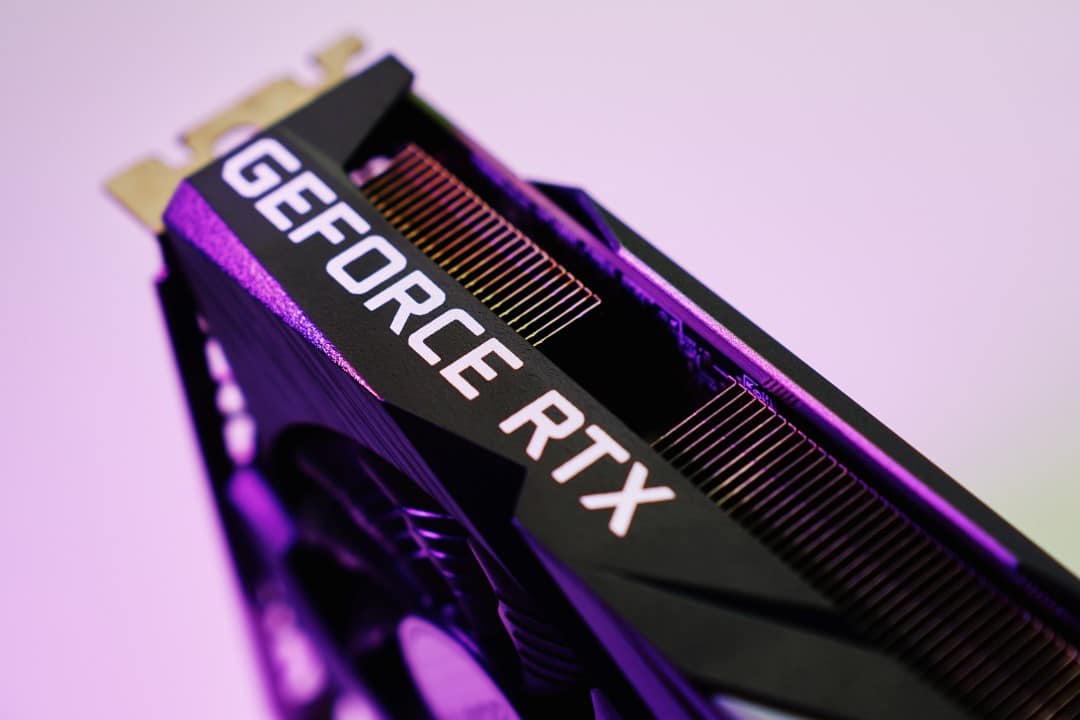
Reasons for the return of the RTX 3060
Nvidia’s decision to reintroduce the RTX 3060 to the market is based on a pragmatic analysis of the current semiconductor scenario. The crisis in the supply of high-speed DRAM memory, such as GDDR7, has created a bottleneck in the production of new generations of GPUs, resulting in limited stocks and high prices that keep the average consumer away. When reactivating the RTX 3060 production line, the company uses GDDR6 memory, a component with a more stable supply chain and significantly lower production costs. Essa maneuver allows Nvidia to fill an important gap in the mid-range segment, offering a proven performance product at a more affordable price, without compromising the manufacturing of its high-end models aimed at the artificial intelligence and enthusiast market.
In addition to the logistical issue, organic market demand played a crucial role. The RTX 3060 has established itself as one of the most balanced cards of its generation, offering support for essential technologies such as ray tracing and DLSS (Deep Learning Super Sampling), which improve visual quality and gaming performance. Sua popularity has not diminished over time; On the contrary, the board continues to be the preferred choice for budget-conscious computer builds, outnumbering even some newer models in users. Fabricantes partners, such as MSI, Gigabyte and Galax, have already signaled immediate interest in receiving the new chips to produce their customized versions, ensuring rapid global distribution as soon as production is normalized.
Popularity on Steam reinforces the decision
Hardware research data from Steam, one of the largest PC game distribution platforms, provides a clear justification for Nvidia’s strategy. For consecutive months, the GeForce RTX 3060 has remained at the top of the rankings as the most used graphics card by gamers. In December 2025, the GPU represented 6.53% of the entire user base, a significant market share that surpasses more recent models, including the RTX 4060.
This consumer preference is not accidental. The 12GB VRAM version of the RTX 3060 is particularly valued for its ability to handle modern games that require a large amount of video memory to load high-resolution textures and maintain stability in complex open worlds. Títulos like Cyberpunk 2077 and Dying Light 2 are examples of games that directly benefit from this extra memory capacity.
With the return of production, Nvidia’s expectation is not only to satisfy existing demand, but also to further solidify this leadership. The company is betting that the availability of new units at competitive prices will keep the RTX 3060 as the main gateway to the brand’s ecosystem of technologies, such as ray tracing and DLSS.
Impact on the Brazilian market
In Brasil, where hardware component prices are historically high due to taxes and currency fluctuations, the return of the RTX 3060 is welcome news. Atualmente, in January 2026, models available on the used market or in remaining stocks are found with prices ranging between R$1,800 and R$2,200. The resumption of large-scale manufacturing has the potential to stabilize these values, and could even result in a slight drop, making the board even more attractive to the local consumer.
Large retailers in the sector, such as Kabum and Pichau, should be the first to receive the new batches, increasing the offer of models from different manufacturers. Isso not only improves availability, but also increases competitiveness, directly benefiting anyone planning to build or upgrade their computer. The card’s compatibility with more modest power supplies, starting at 550W, due to its consumption of 170W, also makes it a viable and economical upgrade option for a wide range of systems already existing in the country.
Highlighted technical specifications
The GeForce RTX 3060 is built on the Ampere and Nvidia architecture and stands out with a robust set of specifications for its category. The card has 3,584 CUDA cores, which are the processors responsible for executing complex graphical tasks, and operates with a boost clock that can reach 1,777 MHz in reference models. However, its main differentiator, especially in the version that will be prioritized in the new production phase, is the 12 GB of GDDR6 video memory. Essa amount of VRAM, combined with a 192-bit memory interface, results in a bandwidth of 360 GB/s, ensuring that the GPU can feed the graphics processor with data quickly and efficiently, which is crucial to avoid bottlenecks in games with high definition textures and in professional rendering and video editing applications. In performance tests, the card demonstrates its strength by achieving averages of 98 frames per second (FPS) in games like Battlefield 6 on Full HD and 74 FPS on Kingdom Come Deliverance 2 with high quality settings, proving its ability to deliver a fluid and immersive gaming experience. Nvidia also plans for its partners to release factory overclocked variants, which will offer even greater performance for the most demanding users.
Comparison between 12GB and 8GB versions
It is essential to understand that there are two main versions of the RTX 3060, and the difference between them goes beyond the amount of VRAM. The 12GB version, which is the focus of this return, has a 192-bit memory bus. In contrast, the 8GB variant, created later to reduce costs, uses a narrower 128-bit bus. Essa technical change results in considerably lower memory bandwidth, dropping from 360 GB/s to 224 GB/s.
In practice, this difference directly impacts performance in games and applications that use intensive memory. Em Dying Light 2, for example, tests show that the 12GB version can be up to 35% faster at 1440p resolution. Em Cyberpunk 2077, the gain is around 13% in Full HD, a margin that can mean the difference between fluid gameplay and constant frame drops. For this reason, Nvidia must prioritize the manufacture of the 12 GB model to meet the expectations of the gaming and professional public.
Expected availability
The first units of the new RTX 3060 production wave should begin arriving on global store shelves from March 2026. Partner manufacturers are already preparing to receive the chips and begin assembling their customized models, which indicates a coordinated launch to meet initial demand. No Brasil, importers and large distributors are monitoring the announcement closely to ensure that the product reaches the national market as quickly as possible. Embora to
Advantages for gamers and professionals
For gamers who primarily play at Full HD (1080p) resolution, the RTX 3060 represents an ideal balance between price and performance. The card is capable of running demanding titles such as GTA V Enhanced at 88 FPS with ray tracing technologies enabled, providing a high-quality visual experience without requiring a heavy investment. DLSS support extends this advantage even further, allowing gamers to achieve higher frame rates without significant losses in image quality.
In the professional field, the 12 GB RTX 3060 also proves to be a valuable tool. The large amount of VRAM is a plus for 3D artists who use software like Blender for rendering, as well as for video editors who work with complex timelines and heavy effects. The extra memory helps avoid crashes and slowdowns when handling large projects, optimizing your workflow. Comparada to the RTX 4060, which has less VRAM, the RTX 3060 can offer a superior experience in tasks that depend more on memory capacity than the raw processing power of the graphics chip.



