
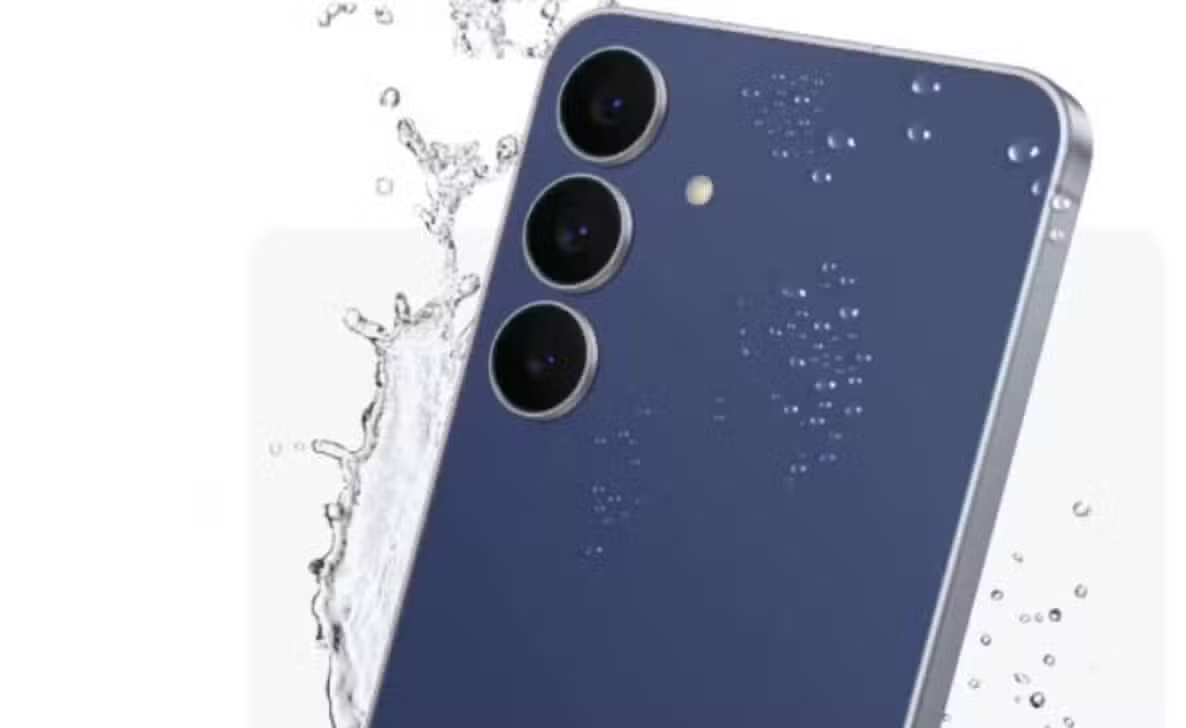
The Samsung works on significant improvements to the camera system of the Galaxy S26 Ultra. Rumores point out that the device arrives with a new image processing algorithm capable of reducing the excess saturation and artificial smoothing that marked previous models. Essas changes aim to address recurring user complaints about unrealistic skin tones and exaggerated colors.
The company’s focus is on providing results that are closer to what the eyes see at the time of capture. The Galaxy S26 Ultra must prioritize visual balance in different lighting conditions. Especialistas from the sector highlight that this approach can position the device more competitively compared to rivals.
The Galaxy S26 line maintains general characteristics similar to previous generations, but changes to the camera software represent the main difference. The Ultra model especially benefits from these optimizations.
- Reduction of excessive artificial glare;
- Improved rendering of unwanted reflections;
- Adjustments for greater consistency in skin tones.
New algorithm prioritizes color fidelity
Revamped image processing focuses efforts on reproducing colors with greater accuracy. Usuários have reported for years that photos captured with Samsung flagships appear artificial in certain situations.
The proposal now is to minimize excessive software interventions. The expected result includes more balanced images, without the “dolled up” appearance common in previous portraits.
These optimizations cover both everyday scenes and challenging light conditions. The system seeks to avoid exaggerations that distance the photos from the reality captured by the lens.

24 MP mode arrives as a balanced option
The Galaxy S26 series introduces a 24-megapixel capture mode directly on the main camera. Essa resolution balances high detail with overall quality superior to standard 12 MP options.
The feature requires manual activation through advanced settings. Ele works in regular and portrait photo modes, offering cleaner, more natural results.
Unlike specialized modes, this option prioritizes everyday use. The images avoid problems such as excessive sharpness or artificial edges in scenes with people.
Processing takes a few additional seconds after clicking. Usuários consider the time to be justifiable due to the visible improvement in final quality.
Resources for more cinematic videos
The new features extend to video recording on the Galaxy S26 line. A new smoothing feature reduces oversharpening, delivering sequences with a more organic look.
This Video Softening mode provides smooth visuals, approaching cinematic productions. The tool serves content creators who seek professional results without complex edits.
Combined with the new imaging algorithm, the feature benefits recordings in motion. Videos gain greater balance in light and shadow transitions.
The Samsung also refines reflection control during filming. Isso ensures visual consistency in varied environments.
Adjustments for reflections and varying conditions
The refinement in the treatment of unwanted reflections stands out among the improvements. The system now better manages intense light inputs, avoiding common halos or distortions.
These advances apply especially to photos against the light or with direct sources. The result includes preserving details in light and dark areas simultaneously.
Color rendering gains more accurate calibration at different light temperatures. Ambientes indoors or outdoors benefit from more uniform tones.
Users who photograph in mixed scenarios notice a significant difference. Images maintain fidelity without frequent manual adjustments.
Expectations for the February launch
The presentation event for the Galaxy S26 line is scheduled for February 25, 2026, at São Francisco, at Estados Unidos. The date follows Samsung’s traditional calendar for its premium series.
Until the unveiling, new details should emerge through reliable leaks. The company focuses final efforts on optimizing the camera software.
Models like the Galaxy S26 Ultra receive special attention in these updates. Higher volume production indicates the brand’s confidence in the public’s acceptance.
Consumers await official confirmation of the promised improvements. The focus on naturalness can win back part of users critical of previous generations.
Dual frame camera island design
The camera island of the Galaxy S26 Ultra adopts a two-level structure. Essa configuration minimizes visual impact of the elevation required for the new sensors.
The height difference between the layers is subtle, requiring close observation to notice. The design smoothes the transition between the device body and the optical modules.
This solution maintains premium aesthetics despite the increase in protrusion thickness. The model prioritizes balance between form and function.
Comparison with previous generations
Models like the Galaxy S25 Ultra were criticized for aggressive processing in portraits. Tons of skin often appeared digitally altered, distancing itself from its real appearance.
The Galaxy S26 Ultra reverses this trend with more neutral calibration. The photos look similar to those of competitors who already adopt a similar approach.
Algorithm changes directly affect the daily photography experience. Usuários Casuals and enthusiasts alike benefit from greater visual fidelity.
Evolution represents a direct response to market demands. Samsung adjusts its strategy to align with current preferences for naturalness.
Benefits in low light conditions
Larger apertures on selected sensors improve capture in dark environments. Additional light input reduces noise and preserves details in night photos.
Combined with new processing, low-light performance gains consistency. The images avoid artificial saturation to compensate for lack of light.
This advancement positions the Galaxy S26 Ultra as a robust option for night photography. Resultados cleaners serve users who record moments at parties or trips.
Refined calibration maintains faithful colors even without ideal lighting. The balance between sensitivity and naturalness stands out.
Integration with artificial intelligence resources
AI tools assist the new algorithm without interfering excessively. The system identifies scenes and applies subtle optimizations to preserve authenticity.
Features like automatic editing respect the original fidelity of the capture. Usuários control the degree of intervention according to preference.
This hybrid approach combines computational power with respect to the raw image. The result pleases both beginners and advanced photographers.
Artificial intelligence focuses on precise corrections, avoiding drastic changes. The final experience remains close to human vision.