
Nintendo’s success with Switch 2 overshadows PlayStation 5 in Japan despite Sony’s profit from content


Grupo Sony presented positive consolidated financial results for the mid-2025 period, driven mainly by its entertainment segments. The music, film and anime divisions were the main drivers of growth, consolidating the company’s transition into a content giant. Contudo, the games and network services sector, historically a pillar of the company, faces a complex scenario, especially in the Japanese market, where the PlayStation 5 has lost significant share.
The company’s consolidated revenue surpassed the trillion yen mark, with significant contributions from streaming services and blockbuster animations, such as those produced by subsidiary Aniplex. Apesar of the group’s robust financial performance, the PlayStation 5 console required price adjustments in its digital version to remain competitive and saw its market base shrink in the face of strong competition.
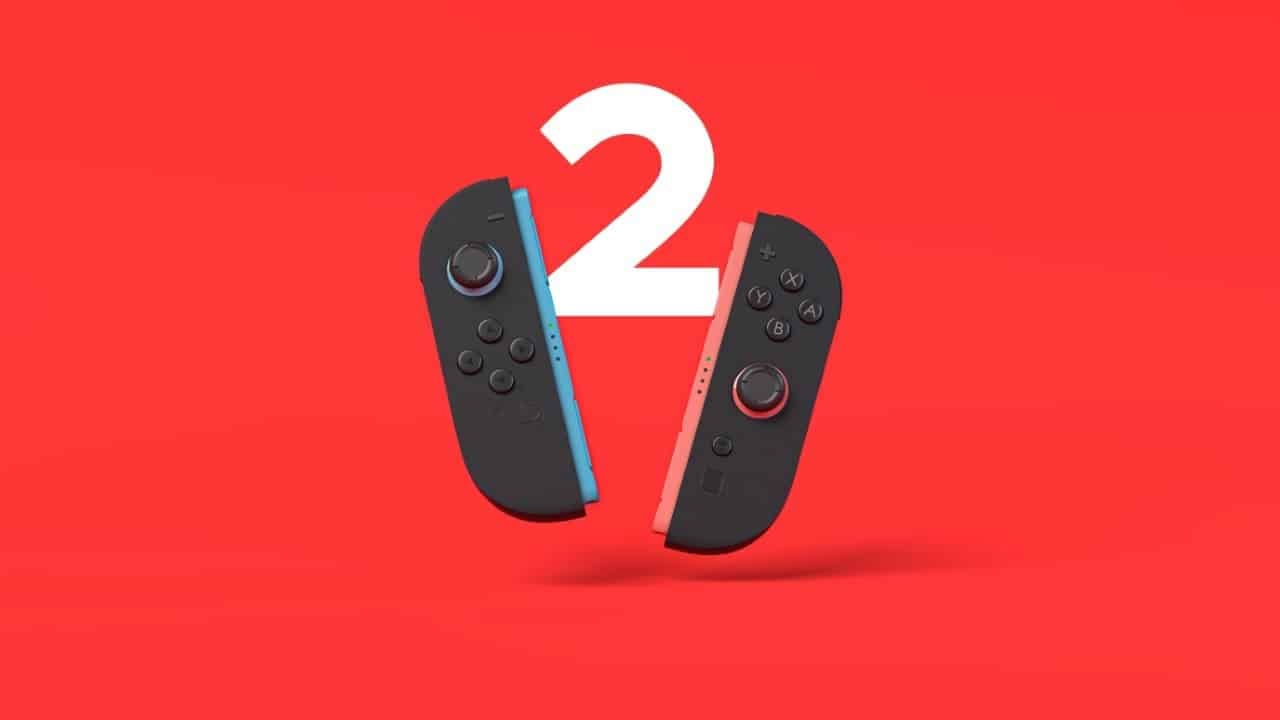
While Sony celebrated its gains in content, Nintendo reaffirmed its dominance in the local games market. The continued success of the original Switch was amplified by the launch of the Switch 2, which has recorded impressive sales since its arrival on the market, redefining the dynamics of competition in the country.
Consolidation as an entertainment giant
The transformation of Sony from an electronics manufacturer to a powerhouse focused on entertainment and digital content is a process that has intensified over the last decade. The strategy, which began around 2012 with the rise of executives from the music and gaming sectors to leadership positions, prioritized the acquisition and development of valuable intellectual properties. Esse portfolio, which encompasses music catalogues, film franchises and successful anime, has become the basis for generating recurring and predictable revenue. The business model has proven to be highly efficient as, once produced, a work can generate ongoing profit through licensing, distribution on streaming platforms and other media, with additional marginal costs. The 2025 financial results are a direct reflection of the success of this approach, with the entertainment divisions offsetting volatility in other sectors and ensuring the overall financial health of the group.
Robust performance in the music and cinema segments
Sony’s music segment demonstrated notable growth in both sales and operating profit during the second quarter of 2025. The main driver for this result was revenue from streaming services, which continue to expand their subscriber base globally. Sony Music’s vast catalog of artists has secured a significant share of this expanding market, generating a steady and robust cash flow.
In the cinema sector, the performance was equally positive, with emphasis on the productions of Aniplex, a subsidiary focused on anime. Filmes based on popular franchises not only dominated the Japanese box office, but also achieved significant success in international markets, including Estados Unidos. Essa global penetration of Japanese anime, driven by consumption by younger generations, has solidified Sony’s position as a dominant force in the production and distribution of animated content on a global scale.
The phenomenon of anime in the global market
Sony’s anime productions have surpassed significant box office milestones worldwide, with particularly strong performance outside of Japão. Aniplex stood out by creating content that resonated with international audiences, especially in Estados Unidos.
Initiatives to popularize Japanese animation in Western markets showed concrete results in 2025. The consumer power of a new generation of fans, who grew up watching anime, filled movie theaters to watch the most anticipated releases.
Digital distribution and presence on streaming platforms further reinforced recurring revenues, consolidating Sony’s business model as highly effective in monetizing its intellectual properties.
The challenging scenario for PlayStation in Japão
Despite global success, Sony’s gaming and network services segment faced instability in 2025, with the PlayStation 5 seeing its market share drop sharply in its home country. Embora software sales have registered an increase in some quarters, hardware performance has fallen short of expectations in Japão.
The Digital edition of the console, which does not have a disc reader, required price adjustments to try to stimulate demand and maintain competitiveness against rivals. Essa measure, however, was not enough to reverse the trend of losing ground.
Meanwhile, Nintendo not only maintained its dominance with the popular Switch, but reinforced it with the release of Switch 2, which sold millions of units in a short period.
Globally, the PlayStation 5 accumulated shipments of more than 80 million units, an impressive number that highlights how the brand’s challenge is concentrated in the complex Japanese market.
The hegemony of Nintendo in the domestic market
Nintendo consolidated its absolute leadership in the Japanese console market in 2025, with the launch of Switch 2 becoming a true sales phenomenon. The new console achieved record numbers, exceeding the most optimistic expectations and dominating the weekly sales rankings since its arrival.
Local consumers’ preference for portable or hybrid consoles, combined with an accessible and family-focused games catalogue, greatly favored Nintendo’s strategy. The Switch line perfectly meets this demand, contrasting with the PlayStation 5 proposal, which is more focused on high-performance experiences for a dedicated audience.
Factors behind space loss
Several factors contributed to the PlayStation 5’s modest performance in Japão. The higher price of the hardware, compared to the direct competitor, and a catalog of games perceived as more aimed at an adult and Western audience are cited as the main reasons.
The global strategy of Sony, which prioritized with great success the markets of América, Norte and Europa, may have led to less adaptation to the specific preferences of the Japanese consumer. The price reductions on the digital version of the PS5 were an attempt to adjust this dynamic, but the immediate results were limited to reversing the strong trend in favor of Nintendo.
Plans for the future of the gaming sector
Going forward, Sony plans to keep its user base engaged on PlayStation by releasing major exclusive single-player titles annually. The company also highlights the growth in the number of active users on PlayStation Network, indicating that the focus on software and digital services continues to be a core strategy to sustain the segment’s revenues, even with regional hardware challenges.



