
Poco F8 Ultra emerges as a strong competitor to the Galaxy S25 Ultra with a giant battery and aggressive price

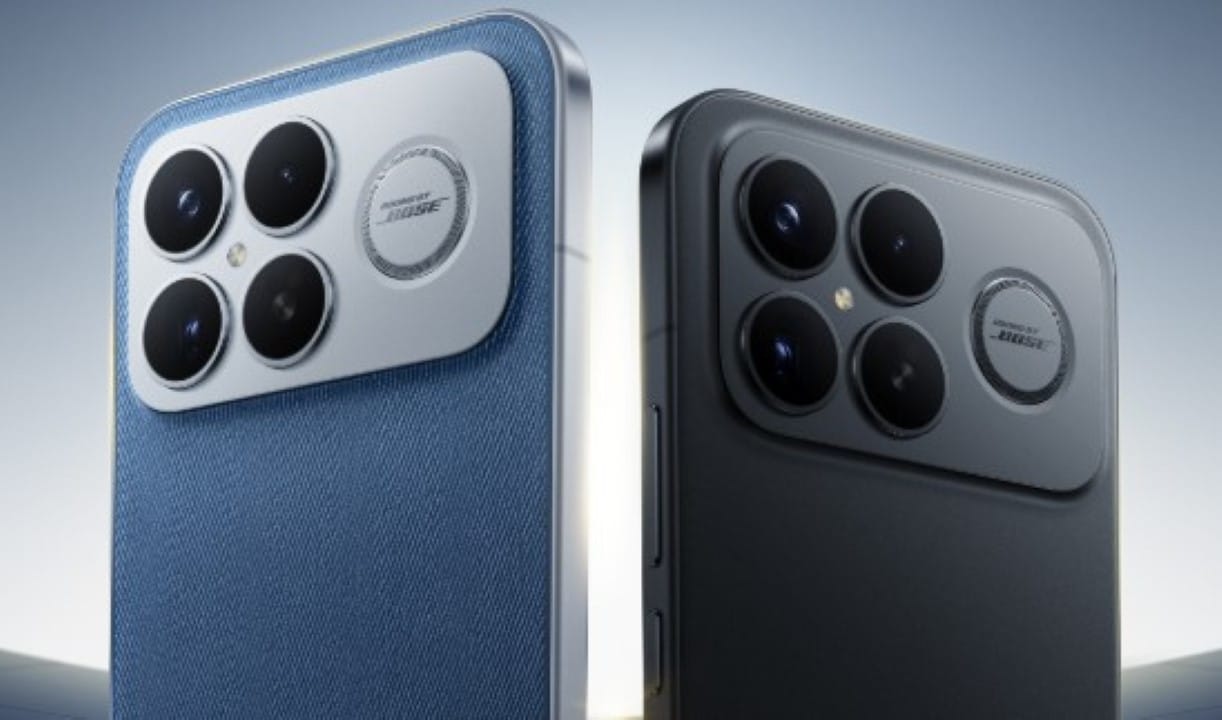
The premium smartphone market is preparing for a new fierce competition with the arrival of two powerful competitors: the Samsung Galaxy S25 Ultra and the Poco F8 Ultra from Xiaomi. Embora Both devices aim for the top of the line, they adopt different strategies that promise to attract different consumer profiles, with the battle focusing on performance, cameras and, mainly, battery life and cost-benefit.
Samsung is committed to consolidating its brand with refinements in design, processing power and a robust software ecosystem. On the other hand, the Poco, known for offering cutting-edge specifications at more affordable prices, seeks to challenge the established dominance with a device that stands out for a massive battery capacity and a highly competitive launch price.
Market analysts already point out that this competition will redefine user expectations for the elite segment. The purchasing decision may depend more than ever on the balance between trust in an established brand and the attractiveness of superior specifications in key areas, such as battery life, offered by a bold new competitor.
Design and construction: the dispute over premium materials
In terms of design, the Poco F8 Ultra features a solid construction with a combination of glass and a metal frame, offering a feeling of durability and sophistication. Measuring 8.3mm thick and weighing 220 grams, the device is designed to provide a comfortable grip while ensuring protection against everyday elements thanks to its IP68 water and dust resistance certification. The choice of materials seeks to combine modern aesthetics with the robustness necessary for everyday use, reinforcing its positioning as a high-end device.
In contrast, the Samsung Galaxy S25 Ultra raises the standard of luxury and resistance with a titanium structure, a material known for its lightness and durability. The device is protected by Gorilla Armor 2 glass on the front and Victus 2 on the back, the latest protection technologies against drops and scratches. Ligeiramente thinner and lighter, at 8.2 mm and 218 grams, its design improves ergonomics and maintains the line’s visual identity. IP68 certification is also present, consolidating the S25 Ultra as a device prepared for any situation and focused on delivering an impeccable user experience.
The battle of the high definition screens
The visual experience is one of the main battlegrounds, and both devices bring the most advanced display technology. The Poco F8 Ultra is equipped with a 6.9-inch AMOLED screen with 1.5K resolution and a refresh rate of 120 Seu The biggest difference is the maximum brightness of 3500 nits, which ensures exceptional visibility even in direct sunlight. Support for technologies such as Dolby Vision and HDR10+ further enhances image quality, making it ideal for streaming videos and gaming with vibrant colors and intense contrast. The Já o Samsung Galaxy S25 Esse feature allows the refresh rate to dynamically vary from 1Hz to 120Hz, intelligently optimizing power consumption and extending battery life without sacrificing fluidity when needed.
Performance under the hood
At the heart of both smartphones is the powerful Snapdragon 8 Elite chipset, which promises exceptional performance for the most demanding tasks.
This platform is designed to handle heavy gaming, video editing, and intense multitasking without any difficulty, ensuring an extremely responsive user experience.
The Poco F8 Ultra combines this processor with up to 16 GB of RAM and UFS 4.0 storage, a robust configuration that aims to eliminate bottlenecks and offer maximum speed.
The Galaxy S25 Ultra, in turn, will utilize an optimized “for
Camera systems in focus
Mobile photography continues to be a decisive factor, and here the approaches differ. The Poco F8 Ultra invests in a triple set of 50 MP cameras, covering main, ultra-wide and telephoto lenses.
This versatile system has Estabilização Óptica of
The Galaxy S25 Ultra ups the ante with a 200 MP main sensor, designed to capture an impressive level of detail and deliver superior performance in low-light conditions. The set is complemented by a 50 MP telephoto lens with 5x optical zoom, two additional 10 MP telephoto lenses and a 12 MP ultra-wide lens.
The Samsung’s entire photography system is enhanced by advanced software features like Galaxy AI, which optimizes images in real time for professional results in any scenario.
Battery autonomy as a key differentiator
One of the most impactful points of the comparison is battery life, where the Poco F8 Ultra sets a new standard. Equipado with a massive 6500 mAh unit, the device promises up to two days of moderate use on a single charge, eliminating the anxiety of running out of power during the day, even for the most intensive users. Esta capacity positions it as an ideal choice for those who rely on their smartphone for work, gaming and continuous media consumption.
The Samsung Galaxy S25 Ultra, although it has a highly efficient power management system thanks to its processor and adaptive screen, should maintain a battery with a capacity of around 5000 mAh, following the trend of its predecessors. Embora enough for a full day of use, the difference in capacity puts the Poco device at a clear advantage for consumers who have battery longevity as their top priority when choosing.
Software and update policy
Samsung reinforces its leadership in software support, promising seven years of operating system and security updates for the Galaxy S25 Ultra, running the One UI on top of the Android 16.
Meanwhile, the Poco F8
Pricing strategy and market positioning
The final price will be the deciding factor for many consumers. The Poco F8 Ultra should hit the market with a highly competitive starting price of approximately 729 dollars, positioning itself as an excellent cost-benefit alternative in the premium segment. Essa aggressive strategy makes it an attractive option for those looking for cutting-edge specifications without the high cost associated with more traditional brands, directly challenging the sector’s price structure.



