
Apple prepares to launch four new MacBooks with M5 chips and an affordable entry-level model


Apple is gearing up for one of the biggest updates to its notebook lineup, with plans to launch up to four new MacBook models throughout the year. The new features range from an entry-level device designed to compete directly with the Chromebooks to high-performance updates for the Air and Pro lines, equipped with the long-awaited M5 processor family. The company’s strategy aims to diversify its portfolio, serving a wider range of consumers, from students to professionals who require maximum performance.
The information indicates that the launches will be staggered, starting in the first half of the year with updates to existing models and culminating with the introduction of a MacBook Pro with an OLED screen and touch technology in the second half of the year. Essa move signals Apple’s intention to further consolidate its position in the personal computer market, offering significant innovations in performance, screen quality and design.
The expectation is that the new generation of M chips, manufactured with TSMC’s 3-nanometer technology, will bring considerable leaps in energy efficiency and processing power. The focus on artificial intelligence and advanced graphics capabilities should be one of the main differentiators, aligning MacBooks with new software demands and creative applications.
A new affordable MacBook for the education sector
One of the most anticipated launches is an entry-level MacBook, designed to be a robust alternative to the low-cost Chromebooks and Windows notebooks that dominate the education sector and the entry-level corporate market. The Apple aims to offer a device with the quality and security of macOS at a more competitive price, possibly between US$700 and US$800 for the Estados Unidos.
This model must have a simplified design, 13-inch screen and a metal chassis to guarantee durability. Para to cut costs, it is likely to use a version of the A18 Pro chip, the same expected for the iPhone 16 Pro, which offers an excellent balance between performance and power consumption for everyday tasks such as web browsing, document editing and video streaming.
| モデル | メインチップ | 画面 | 推定開始価格 (米ドル) | 主な対象者 |
|---|---|---|---|---|
| 低価格MacBook | A18プロ | 13インチ液晶 | 699-899 | 学生と基本的な使い方 |
| MacBook Air | M5 | 13 インチまたは 15 インチ | 999 | プレミアムモバイルユーザー |
| 標準MacBook Pro | M5 プロ/マックス | 14 インチまたは 16 インチのミニ LED | 1999-3499 | 中級者向け |
| MacBook Pro OLED | M6(予定) | 14ンチまたは 16インチのタッチ OLED | 非開示 | 一流のクリエイター |
Connectivity would also be more basic, with a limited number of USB-C ports, without the Thunderbolt support present in more expensive models. The combination of efficient hardware and an aggressive price could significantly expand Apple’s presence in markets where cost is a decisive factor, attracting an audience that had previously not considered purchasing a product from the brand.
MacBook Air prepares to receive the M5 chip
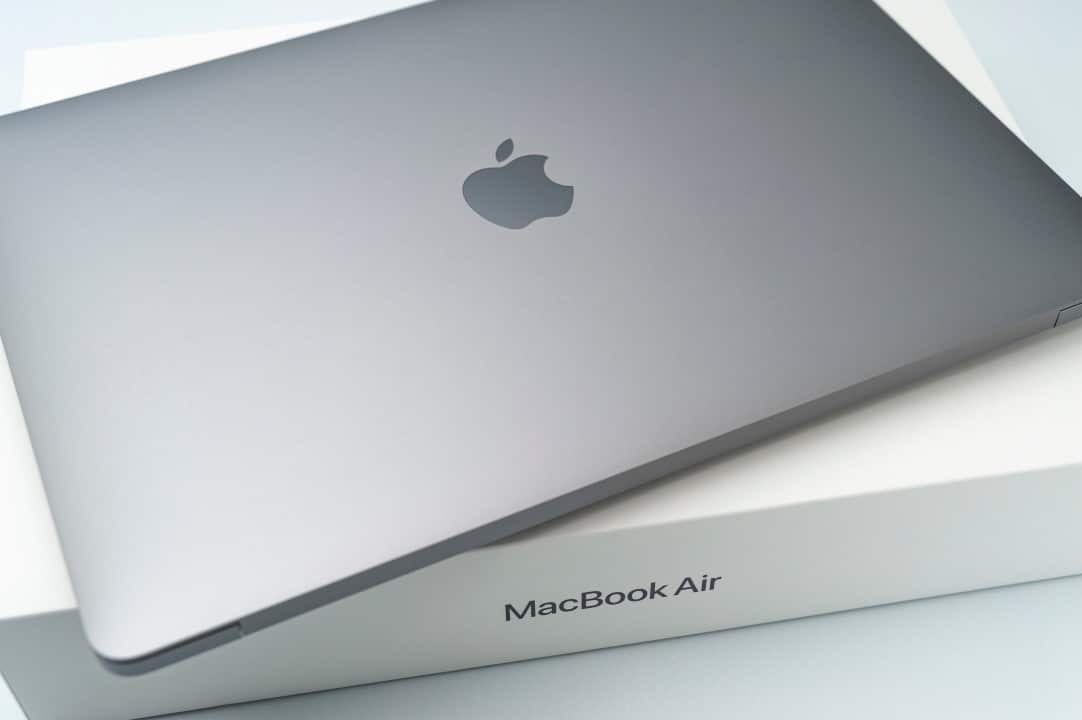
The MacBook Air, known for its portability and performance, will be one of the first to receive the new M5 chip. The update, scheduled for the first quarter, promises a 12% to 15% performance increase in CPU tasks and a jump of up to 36% in graphics performance compared to the previous generation. Essa improvement will make the notebook even more capable of handling light photo and video editing, as well as offering a more fluid gaming experience.
The focus of the M5 chip will be on optimizing artificial intelligence tasks, thanks to a more powerful Neural Engine. Isso will enable macOS to run AI features faster and more efficiently, from real-time audio transcription to smart editing functions in creativity apps. Energy efficiency, a hallmark of the Apple chips, must also be improved, ensuring long battery life even with increased power.
The design of the MacBook Air is expected to remain largely unchanged, maintaining the sleek, modern look that is already popular with consumers. The starting price should remain in the US$999 range, consolidating the model as the ideal option for users looking for a premium notebook for productivity and daily use.
The Pro line advances with the M5 Pro and M5 Max chips
For professionals, the Apple reserves the most powerful versions of the new architecture. The 14-inch and 16-inch MacBook Pro will be updated with the M5 Pro and M5 Max chips at the beginning of the year. Fabricados on TSMC’s second-generation 3-nanometer process, these processors are designed for intensive workloads such as 3D rendering, code compilation, and 8K video editing.
In addition to the performance gain, these models are expected to offer faster SSD storage options and greater unified RAM memory capacities, allowing professionals to work on even more complex projects without bottlenecks. The design must follow the current standard, which was well received for bringing back ports such as HDMI and the SD card reader.
Prices are expected to start at US$1,999 for the 14-inch model with M5 Pro and reach US$3,499 or more for the 16-inch version equipped with the M5
The OLED screen revolution and the debut of the M6
The biggest innovation of the year is reserved for the second half of the year, with the launch of a completely redesigned MacBook Pro, equipped with an OLED screen. Essa technology, already present in Pro iPhones and iPads, offers much higher contrast, true blacks and more vibrant colors compared to current Mini-LED panels, providing an unprecedented visual experience on a branded notebook.
This high-end model could also be the first to introduce touch-screen capabilities, a feature long speculated for the Macs. The integration of a touchscreen would open up new interaction possibilities, especially for digital artists and designers.
To fuel these news, it is possible that this MacBook Pro will debut the M6 chip, a generation ahead of the rest of the line. The M6 would be optimized to manage the high-resolution OLED screen and process new touch inputs, as well as offering a new level of overall performance. The design could also be thinner and lighter, approaching the aesthetics of the MacBook Air.
Market strategy and portfolio diversification
With these four launches, Apple outlines a clear strategy to expand its share in the notebook market. By introducing an entry model, the company directly attacks a segment dominated by competitors, with the potential to convert millions of new users to its ecosystem. The diversification of products and prices makes the Mac line more accessible and attractive to different consumer profiles.
At the same time, incremental upgrades to the Air and Pro lines with the M5 family ensure that the Apple continues to be the benchmark in performance and efficiency for its loyal customers. The introduction of cutting-edge technologies, such as the OLED screen in the most expensive model, serves to reinforce the brand’s image as a leader in innovation and to justify the premium prices of its high-end products.
This multifaceted approach allows the company to compete on multiple fronts simultaneously, from volume in the education sector to leadership in the high-performance professional market. The goal is clear: to make the Mac a viable option for everyone, regardless of budget or usage needs.
What to expect from the releases
The new line of MacBooks promises to consolidate Apple’s technological dominance in the personal computer market. The improvements are not just limited to processing power, but extend to every aspect of the user experience, from screen quality to the accessibility of your products. The combination of powerful hardware and optimized software will continue to be the platform’s biggest differentiator.
With the new chips, integration with the Apple device ecosystem, such as iPhone and iPad, tends to become even more fluid and intelligent, taking advantage of improved AI capabilities. The expectation is that these launches will not only boost the company’s sales, but also set a new standard of quality and innovation for the entire notebook industry.
Expected schedule for the new MacBooks
Apple plans a well-distributed launch schedule throughout the year to maximize attention on each new product. The strategy aims to create a continuous flow of news and keep the interest of the public and the media always high.
The first half of the year will be focused on updating the most popular models. The MacBook Air with M5 chip and the 14-inch and 16-inch MacBook Pro with M5 Pro and M5
Still in the first half of the year, the company should officially present its new entry-level MacBook, focusing on the educational sector and consumers looking for a more affordable option to join the Apple ecosystem.
The second half will be reserved for the great innovation of the year: the MacBook Pro with an OLED screen and, possibly, the M6 chip. Este cutting-edge launch should take place closer to the end of the year, positioning itself as the brand’s main product for the festive period.



