Corinthians and Santos agree to 2026 home game swap for key paulista and brazilian championship matches


Corinthians and Santos have reached a significant agreement to exchange home field advantages for critical matches scheduled early in the 2026 football season. This collaborative arrangement directly impacts fixtures across both the Campeonato Paulista and the Campeonato Brasileiro, reflecting a strategic effort by both clubs to optimize scheduling and enhance logistical management. The deal, confirmed by relevant football authorities, ensures that crucial early-season encounters proceed efficiently.
The exchange of venues underscores a growing trend in Brazilian football where clubs cooperate to manage demanding fixture lists, player welfare, and stadium availability. Such arrangements are becoming increasingly common, especially when balancing domestic league commitments with continental or national cup competitions, providing flexibility in a packed calendar.
The decision was finalized following detailed discussions between the two São Paulo powerhouses and the respective football federations, aiming to address specific operational needs for the upcoming year. This proactive planning helps mitigate potential challenges that often arise during the initial phases of a new football campaign.
Paulistão fixture details confirmed
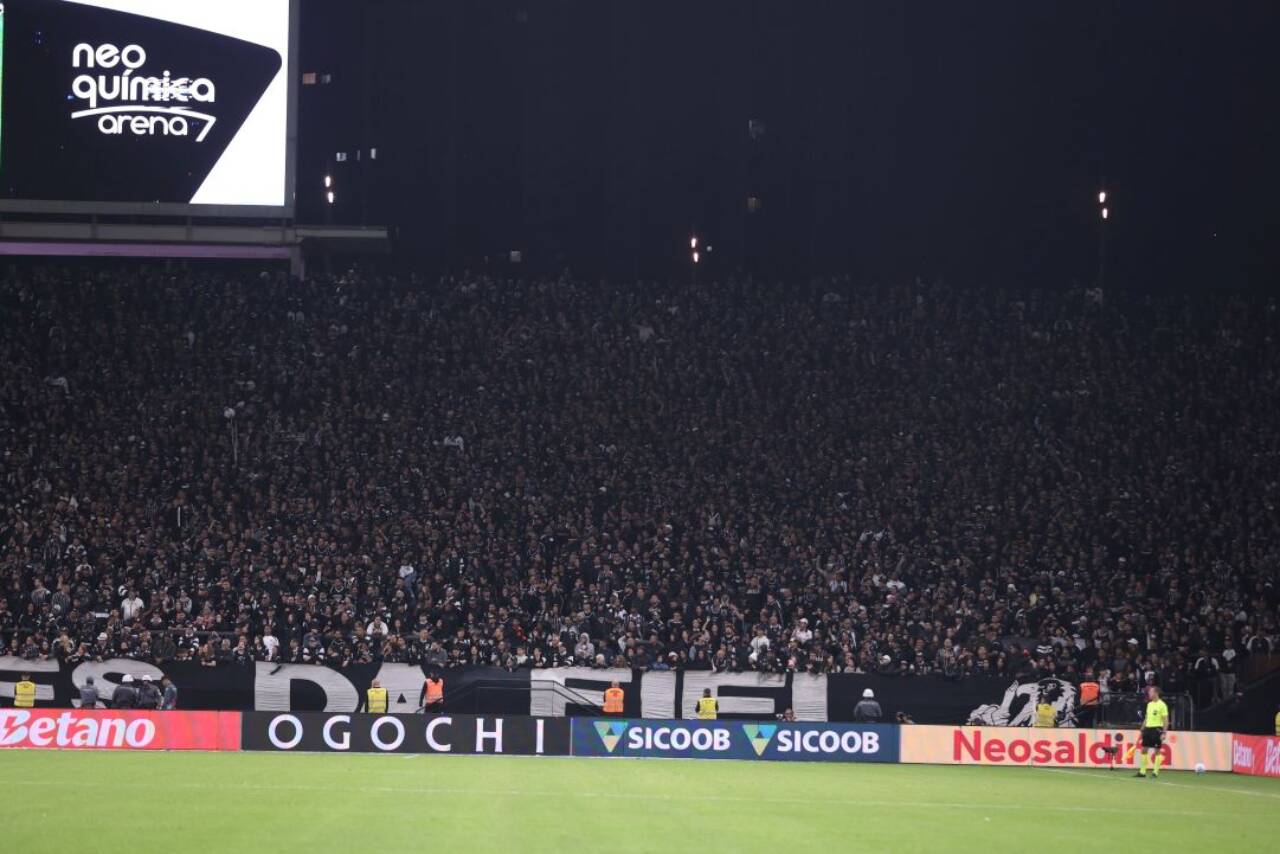
Under the terms of the new agreement, Santos will play its fifth-round Campeonato Paulista match against Red Bull Bragantino as the home team at Corinthians’ Neo Química Arena. This specific fixture is set to take place on January 25, 2026, with kick-off scheduled for 4 PM Brasília time. The arrangement allows Santos to stage a significant early-season game in the state capital.
This Paulistão match will mark Santos’s first competitive appearance in São Paulo’s capital city in 2026, providing fans in the metropolitan area easier access to the club’s initial outings. The change of venue for this fixture was officially approved after thorough alignment between the two clubs and the Federação Paulista de Futebol (FPF), with no alterations to its originally planned date or time.
Brasileirão opener relocated to vila belmiro
Meanwhile, Corinthians will open its Campeonato Brasileiro campaign by hosting Bahia at Santos’s historic Vila Belmiro stadium. This inaugural Brasileirão match for the Parque São Jorge club is now scheduled for January 28, 2026, marking an early transfer to the iconic coastal venue.
Initially, this high-profile fixture was slated to occur at the Neo Química Arena on January 29, 2026, with an evening kick-off time of 8:30 PM. However, the Confederação Brasileira de Futebol (CBF) officially confirmed the venue change and the slight anticipation of the match date late on Friday evening.
The swift confirmation by the national football governing body highlights the efficiency with which such inter-club agreements can be processed when all parties are in alignment. This demonstrates a willingness among clubs and federations to adapt schedules for mutual benefit.
Strategic reasons driving the venue exchange
The proposal for this strategic exchange originated from the Santos leadership, specifically attributed to president Osmar Stabile and executive Marcelo Paz. Their proactive approach sought to create an advantageous scenario for the club’s demanding early-season schedule.
A primary objective behind the proposed swap was to grant more recovery time to Santos’s squad, currently managed by Dorival Júnior. This additional rest period is crucial between the demanding Campeonato Brasileiro debut and a significant national commitment shortly thereafter.
The adjusted schedule provides the Santos team with a vital window for recuperation ahead of their Supercopa do Brasil challenge against Flamengo. That highly anticipated national supercup match is set to be played on February 1, 2026, in Brasília, adding another layer of complexity to their congested calendar.
Furthermore, the alteration in venues also factored in the impossibility of hosting two major football matches simultaneously in São Paulo on the same date. The city’s logistical capacity would be strained, particularly with São Paulo FC already scheduled to host Flamengo at the Morumbis stadium on January 28.
Mitigating scheduling and recovery challenges
The coordinated effort between Corinthians and Santos exemplifies how clubs are increasingly leveraging strategic partnerships to navigate the demanding landscape of Brazilian football. Such agreements go beyond simple venue swaps, representing a sophisticated approach to fixture management. By collaborating, both teams can minimize travel fatigue and maximize player readiness, crucial elements for competitive success across multiple tournaments.
This proactive stance also helps ensure optimal conditions for large-scale sporting events, taking into account fan safety, public transportation, and security services. Avoiding simultaneous high-profile matches in the same city streamlines operational logistics for local authorities and event organizers, leading to a smoother experience for all stakeholders involved.
Historical context of stadium sharing
This upcoming use of Neo Química Arena by Santos is not an unprecedented event. In 2024, the club utilized the Corinthians stadium as its home ground for a crucial Campeonato Paulista semifinal clash, also against Red Bull Bragantino, demonstrating a prior willingness for such arrangements. That match proved successful in terms of attendance and logistical execution, setting a precedent for future collaborations.
Beyond the Neo Química Arena, Santos has also engaged in similar agreements to use other prominent venues in the São Paulo metropolitan area. The club has previously acted as a home team at both Allianz Parque and the Morumbis stadium on various occasions, typically under specific, punctual agreements designed to address fixture conflicts or capitalize on larger crowd capacities.
Broader implications for brazilian football
These venue swaps highlight the intricate balance clubs must strike between sporting objectives, financial considerations, and logistical realities in a highly competitive environment. The decisions reflect a sophisticated understanding of football management, prioritizing outcomes beyond immediate home-field advantage. Such agreements often consider factors such as:
* Player welfare: Managing fatigue and preventing injuries across multiple competitions.
* Fan accessibility: Bringing games to larger venues or more accessible locations for a wider supporter base.
* Revenue generation: Potentially increasing gate receipts by utilizing larger stadiums in key markets.
* Strategic scheduling: Optimizing the calendar to avoid clashes and provide adequate preparation time.
Fan considerations and forward planning
For supporters, these changes necessitate careful planning regarding travel and ticket arrangements, especially for those accustomed to attending matches at traditional home grounds. Clubs are increasingly focusing on clear communication to ensure fans are well-informed of venue and schedule adjustments.
The early announcement of these 2026 arrangements allows ample time for both sets of fan bases to organize their attendance. This foresight is critical for maintaining strong fan engagement and minimizing disruption caused by necessary logistical adaptations in Brazil’s dynamic football calendar.