
Galaxy cell phones in Japan receive One UI 8 function to completely clean the FeliCa payment chip


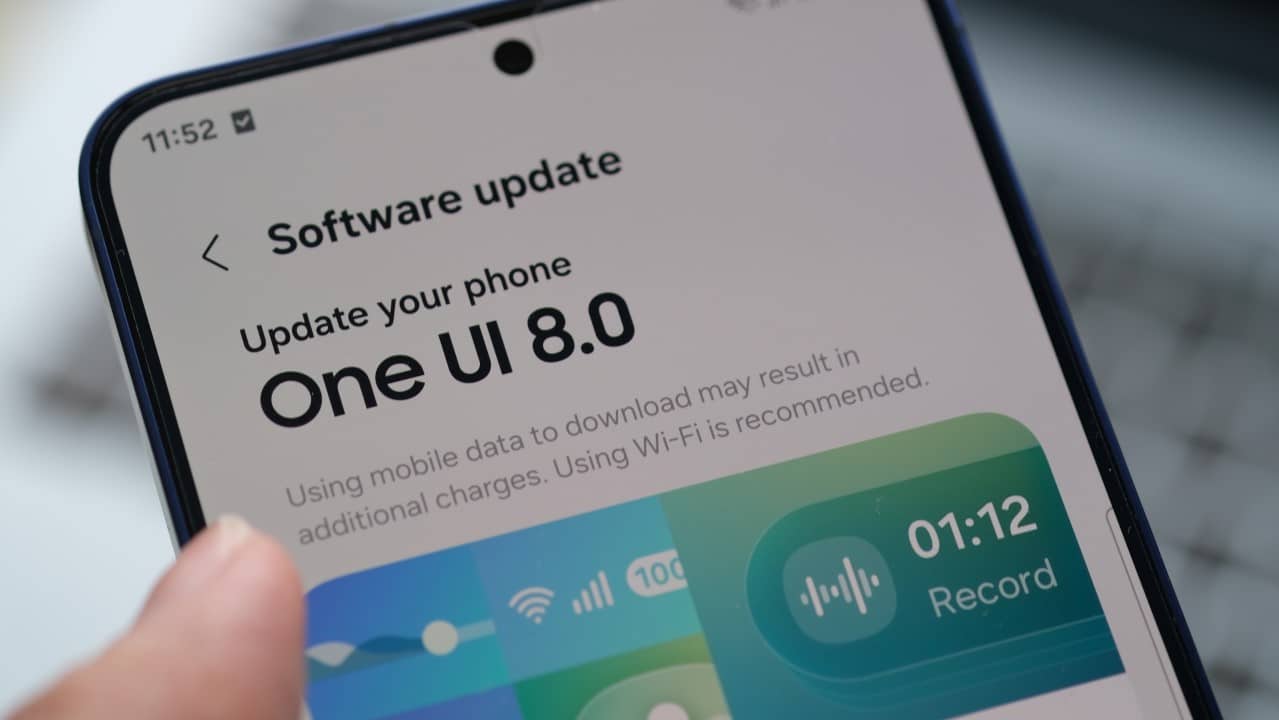
Samsung has started implementing a crucial update for its Galaxy smartphones in the Japanese market with the arrival of the new One UI 8. The main new feature is a feature that allows the complete and secure deletion of all data stored on the FeliCa chip, a contactless payment technology widely used in the country. Essa functionality meets a long-standing demand from local users for more security and privacy, especially when selling or disposing of their devices.
The measure, based on the Android 16 operating system, resolves a vulnerability that generated insecurity among device owners. Anteriormente, even after a standard factory reset, residual data could remain on the FeliCa chip, which stores information from public transport cards, credit cards and electronic money. The new tool ensures that all this sensitive information is permanently erased, increasing confidence in the used smartphone market.
The launch of the functionality is already underway for several models in the Galaxy line, being gradually distributed by local telephone operators. The expectation is that the tool will become a standard in all future launches of the brand in the region, reinforcing Samsung’s commitment to protecting its consumers’ data in one of the most demanding markets in the world.
FeliCa technology and its importance in Japão
Developed by Sony, FeliCa technology is the cornerstone of the contactless payments system in Japão, popularly known as “Osaifu-Keitai” (mobile wallet). Integrada on most smartphones sold in the country, it allows users to use their cell phones to pay train and bus tickets, make purchases in convenience stores, vending machines and a wide range of commercial establishments with a simple touch. Sua transaction speed, less than 0.1 second, is one of the main differentiators that made it essential for the fast pace of life in Japanese cities.
Unlike other NFC (Near Field Communication) technologies more common in the West, FeliCa has a robust security architecture and faster data processing capacity. Essa efficiency is essential in busy places, such as the Tóquio subway turnstiles, where millions of people pass through every day. The technology stores not only payment information, but also event tickets, loyalty cards and even access keys, consolidating the smartphone as an indispensable multifunctional tool in the population’s daily lives.
The challenge of reselling smartphones with residual data
One of the biggest obstacles in the pre-owned smartphone market in the Japão has always been the difficulty in ensuring the complete elimination of data from the FeliCa chip. A traditional factory reset was not sufficient to erase the sensitive information contained in the secure area of the chip, creating a significant privacy risk for the original owner. Informações as transport card balances, transaction history and credit card data could theoretically remain on the device. Essa concern led many users to avoid selling their old devices, resulting in devaluation and waste of devices that were still functional. Para companies specializing in the resale of electronics, the cleaning process required specific software and equipment, increasing operational costs and making the business more complex. The lack of a simple and accessible method for the common user to carry out this cleaning was seen as a major security flaw, which Samsung now seeks to definitively resolve with the new functionality integrated into the One UI 8, adding value and security to the life cycle of its products in the country.
How the new cleaning feature works in One UI 8
Access to FeliCa’s new data deletion tool has been intuitively integrated into the system’s factory reset process.
To use the function, the user needs to navigate to the settings menu of their Galaxy smartphone and go to the “General management” section.
Within this menu, the “Restore” option will take you to the “Restore factory defaults” screen, where all data on the device can be erased.
On this final screen, before confirming the deletion, a new checkbox will appear with the description “Completely initialize the FeliCa area”, which must be checked to ensure the chip is completely wiped along with the other data on the phone.
Compatible models and update schedule
The new FeliCa chip cleaning functionality is being made available as part of the update to One UI 8, which is based on Android 16.
Samsung is releasing the update gradually, starting with the most recent models in the Galaxy S line and devices linked to major Japanese operators, such as NTT Docomo and au.
The update is expected to be extended to a greater number of compatible devices over the next few months, gradually covering the brand’s entire product portfolio in the country.
Improved security for users
The introduction of this tool represents a significant advance in the autonomy and security of Galaxy smartphone users on the Japão.
By giving the device owner full control over the deletion of their financial information, Samsung eliminates a major source of concern and strengthens trust in its platform.
Strategic movement of Samsung in the Japanese market
This update demonstrates Samsung’s attention to the specific needs of the Japanese market, one of the most competitive and technologically advanced in the world.
By solving a persistent local problem, the company not only improves the user experience, but also positions itself stronger against competitors who do not yet offer a similar solution.
The future of mobile payments and privacy
The Samsung initiative reflects a global trend of growing concern about privacy and data security in a world increasingly dependent on digital wallets and contactless transactions.



