

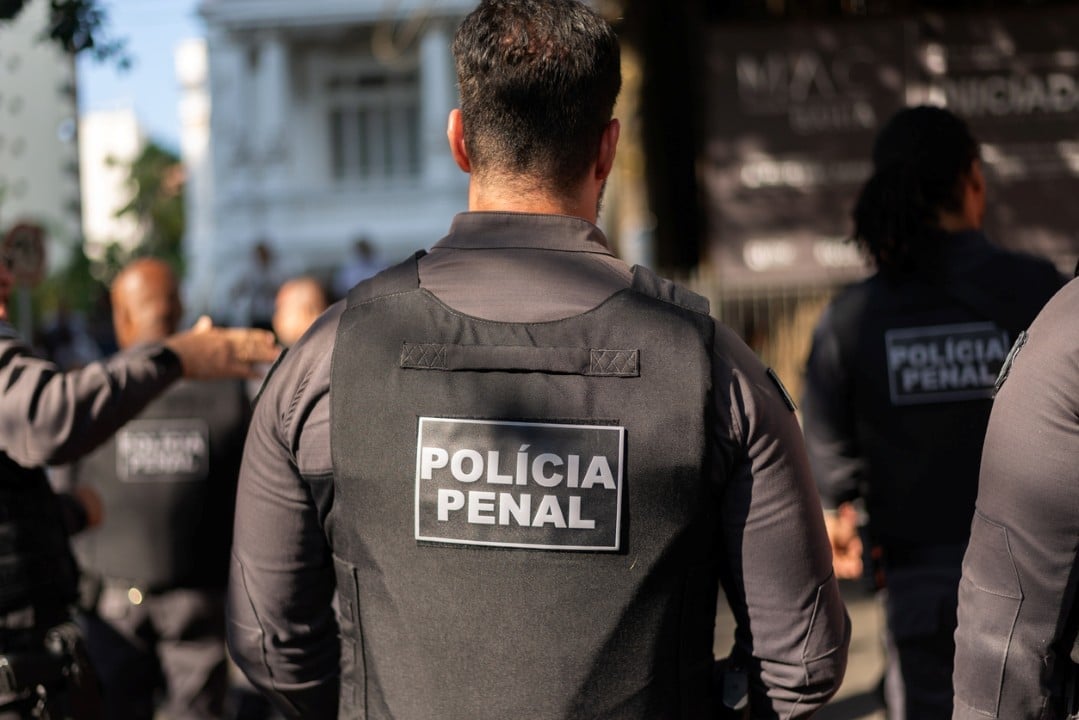
Guatemalan security forces are working to restore order in three correctional facilities following recent inmate uprisings where at least 46 individuals were taken hostage. These efforts commenced this Saturday, marking a significant challenge to the nation’s prison security.
Authorities reported that these coordinated disturbances stem from demands by gang members seeking increased privileges and better conditions within the prison system. The situation has prompted a robust response from state security apparatus.

The Interior Minister, Marco Antonio Villeda, confirmed the coordinated nature of the riots, attributing them to the Barrio 18 gang. Its leader reportedly pushed for a transfer to another center with improved conditions and differentiated treatment, according to the ministry.
Escalation and security response
Inmates at the maximum-security Renovación 1 prison in Escuintla escalated the situation by occupying watchtowers. Masked detainees visibly controlled key vantage points, signaling the severity of the takeover and demonstrating a coordinated effort.
Outside the facility, a robust perimeter was established by police and soldiers. Ambulances and fire trucks remained on standby, prepared for any medical emergencies or fire-related incidents arising from the unrest within the prison grounds.
Inmate grievances and refusal to negotiate
The revolts were partly fueled by inmate grievances, as prisoners reportedly set fire to mattresses to protest against ongoing inspections of the penitentiary system, according to police chief Jaime Martinez. This act of defiance underscored their resistance to perceived tightening of controls and a demand for their voices to be heard.
Among the 46 hostages were primarily security guards, highlighting the direct challenge to institutional authority. A psychologist was also taken captive, indicating the indiscriminate nature of the seizures during the coordinated outbreaks across the three facilities.
Previous incidents and heightened stakes
While hostage situations involving prison guards are not uncommon in Guatemala’s troubled correctional system, the current incident marks a significant escalation due to the unprecedented number of individuals held captive, according to officials. This heightened scale underscores a more organized and potent challenge to state control compared to past occurrences, raising immediate concerns about the effectiveness of current security protocols and the pervasive influence of criminal organizations within the nation’s jails. The government’s resolve to not yield to demands becomes particularly critical under these elevated circumstances, aiming to prevent further erosion of authority and maintain public order.
Demands and official stance
The primary motivation behind the uprisings appears to be the Barrio 18 gang’s desire for improved living conditions and differentiated treatment for its leaders, as detailed by the ministry. This includes specific requests for transfers to facilities perceived as offering greater comfort and fewer restrictions, alongside other demands for privileges.
Minister Villeda firmly declared that the government would not negotiate with what he termed “terrorist groups” nor would it restore privileges to gang leaders. This unwavering stance aims to prevent further empowerment of criminal elements within the prison system and uphold the rule of law.
The authorities’ strategy focuses on regaining full control without making concessions that could undermine future security efforts or set a dangerous precedent for inmate demands. This hardline approach is intended to reassert state authority and deter similar actions.
Ongoing efforts to regain control
As of Saturday afternoon, there were no official reports of fatalities or serious injuries among the hostages or inmates. Security forces continued their methodical operations to de-escalate the situation and safely secure the release of all captives, prioritizing safety and order.
Broader context of gang influence
The Barrio 18 gang, known for its extensive reach both inside and outside penal institutions, frequently exploits vulnerabilities in the justice system to further its objectives. Their influence often extends to managing illicit activities even from behind bars, demonstrating a complex network of operations.
The coordination across three distinct facilities suggests a sophisticated level of planning and communication among gang operatives, indicating deep-seated organizational capacity within these criminal networks and a significant challenge to state control.
These events highlight persistent challenges for Guatemalan authorities in maintaining absolute control over the country’s prisons, which are often overcrowded and prone to gang-related violence and uprisings due to systemic issues.
Efforts to modernize and secure the prison system have faced considerable hurdles, including corruption and a lack of resources. This makes such large-scale disturbances a recurring concern for national security and stability, demanding continuous attention.
Calls for prison reform
The incident is expected to reignite public debate and calls for comprehensive prison reform in Guatemala. Critics often point to inadequate staffing, outdated infrastructure, and the unchecked power of gang leaders as root causes of such widespread unrest and insecurity.
Experts suggest that long-term solutions require a multi-faceted approach, encompassing improved intelligence gathering, better-trained correctional officers, and significant investment in facilities to segregate dangerous inmates and reduce overcrowding, preventing future coordinated acts of defiance.