
High interest rates, bets and weight-loss pens limit sales in food retail

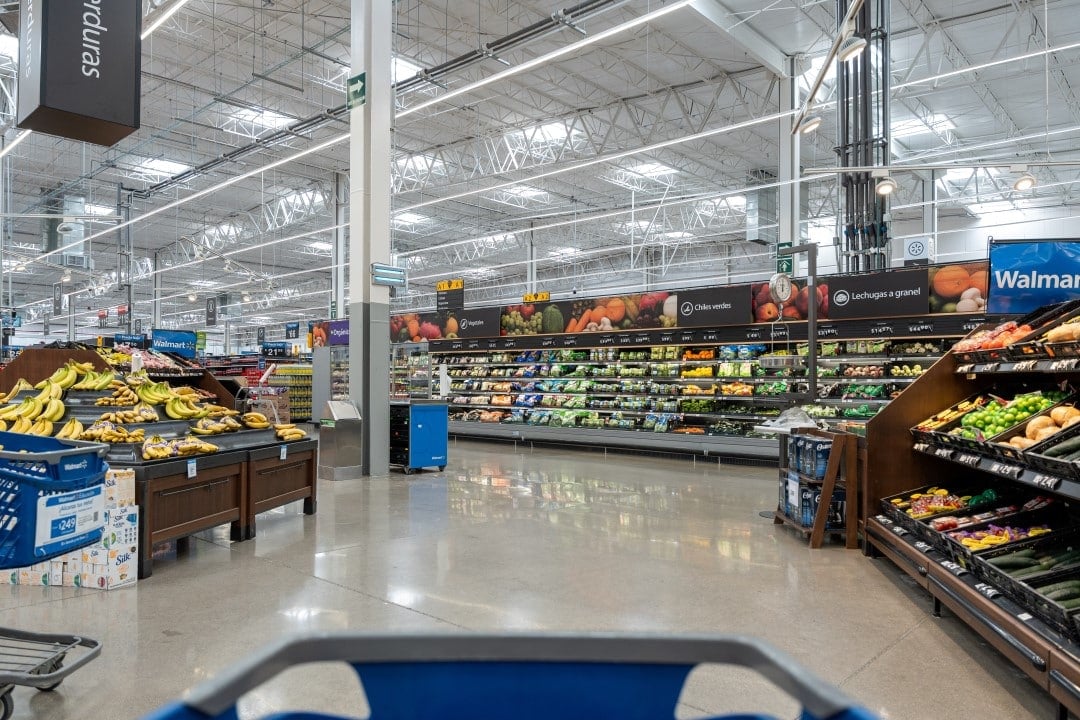
Food retail consumption maintains moderate growth at Brasil in 2026, even with favorable factors such as Copa of Mundo and the income tax exemption for salaries up to R$5,000. Especialistas point out that the increasing use of injectable weight loss medications, the increase in spending on online sports betting and the persistence of high interest rates put pressure on family budgets.
These elements change purchasing patterns and divert resources that could go to the supermarket cart. Projected inflation for food at home reaches 4.6% this year, higher than the 1.4% recorded in 2025.
Consumers visit points of sale more frequently, but reduce the number of items per visit and opt for cheaper categories to control expenses.
Changes caused by weight loss medications
The use of semaglutide-based injectable pens and similar products changes eating habits in several Brazilian homes. Usuários report a significant reduction in the consumption of processed products, alcoholic beverages and items rich in carbohydrates, prioritizing healthier options.
This transition benefits pharmacy chains and protein manufacturers, while putting pressure on beverage and processed food companies. The expiration of the semaglutide patent in March opens space for generic versions, expanding access to these treatments.
- Reduction of up to 50% in the consumption of certain items in homes that adopt the medicine.
- Increased demand for fruits, vegetables and products with higher protein content.
- Adjustment of the product mix by supermarkets to meet new demand.

Accelerated growth of sports betting
Spending on online betting platforms has seen a sharp rise in recent years, reaching billions of reais. Esse movement mainly affects the middle and lower classes, who allocate part of their family income to these activities.
Each percentage point increase in bets contributes to an increase in defaults, according to economic analyses. Famílias report prioritizing top-ups on betting sites over extra purchases at the supermarket.
Recent regulation of the sector does not prevent expansion, which competes directly with essential expenses. Durante events like Copa of Mundo, the betting volume tends to grow even more.
Effects of high interest rates on the family budget
Interest rates maintained at high levels make credit more expensive and limit families’ purchasing capacity. Debt remains high, with defaults at levels not seen since 2012.
The greater availability of income through tax exemption partially benefits retailers, but half of this extra resource goes to paying off debts. Consumidores opt for more frequent visits to the markets, but with smaller carts.
This dynamic reflects widespread financial caution. The combination with persistent food inflation reinforces restrictive purchasing behavior.

Adaptation of supermarket chains
Large retailers adjust stocks to follow changes in the consumption profile. Categorias as alcoholic beverages register a drop in sales, while healthy items gain space on the shelves.
Industry executives highlight the need for partnerships with suppliers to offset losses in traditional segments. Switching to products with higher added value helps maintain revenue balance.
This strategy allows networks to capture part of the demand generated by changes in habits. The focus on a varied assortment becomes essential to sustain results.
Projections for the food sector this year
Analysts predict limited expansion in the volume of food sales in Brazilian retail throughout 2026. Fatores positives such as sporting events and tax relief do not fully offset external pressures.
Higher inflation in basic items contributes to this moderate scenario. Empresas of the segment continuously monitor behavioral trends to adjust planning.
Observers point out that the reorganization of family expenses is gradually consolidated. Setores linked to healthy options must present superior performance compared to traditional options. Currency volatility and political uncertainties also influence operating costs. In the long term, the entry of generics for weight loss medications may intensify changes in the national consumption pattern.
Practical examples of changing habits
Individual cases illustrate how the use of pens changes purchasing routines. Pessoas who adopt the treatment drastically reduce items such as snacks and soft drinks, opting for fresh alternatives.
These changes accumulate effects on the performance of specific categories in supermarkets.
Strategies of affected industries
Beverage and processed food manufacturers seek innovation to face reduced demand. Lançamentos focusing on lighter or more functional versions gain priority on production lines.
Companies invest in research to align portfolios with emerging preferences. Diversification helps mitigate losses concentrated in traditional products.
This approach includes reinforcement in protein and low-carb segments. Parcerias with retailers make it easier to put new items on the shelves.
Perspectives for pharmacies and specialized chains
The pharmaceutical segment records direct benefits from the popularization of weight loss medications. Redes expand offering of related products and accompanying services.
The arrival of more affordable versions should expand the market significantly in the coming years. Investimentos in logistics and inventory follow this trend.
Industry professionals predict continued sales growth in this category.




