
Leica camera effects arrive for all Xiaomi cell phones that run the HyperOS system


Xiaomi has announced a move that significantly expands photography capabilities for its user base. The company has released a pack of 17 camera effects, developed in collaboration with the renowned German brand Leica, for all devices equipped with the HyperOS operating system. Originalmente, these features were exclusive to the top-of-the-line model Xiaomi 17 Ultra, launched in late 2025.
The update, implemented in January 2026, democratizes access to advanced photographic presets. Isso allows millions of device owners in different price ranges to use the same professional image adjustments directly in the native camera application, without the need to purchase the brand’s most expensive smartphone.
The initiative represents an important step in the company’s strategy of valuing its software ecosystem. The effects adjust deep image processing parameters, such as contrast, saturation and sharpness, promising high-quality results in everyday clicks and in more controlled situations.
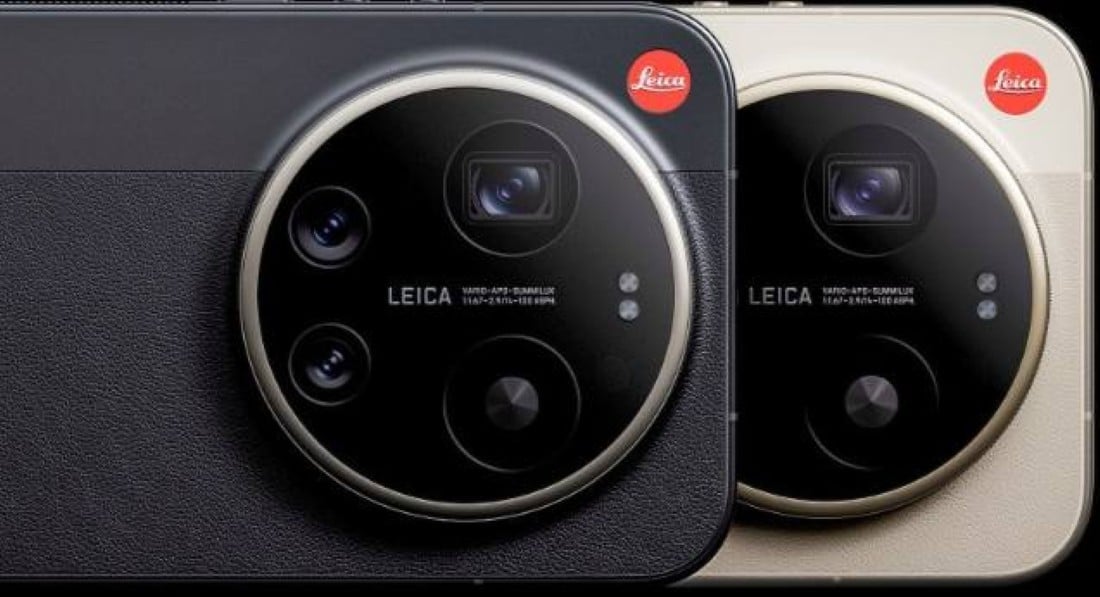
The partnership between Xiaomi and Leica gains a new chapter
The collaboration between the Chinese technology giant and the iconic German camera manufacturer Leica is not new, but it reaches a new level with this decision. The partnership, which began a few years ago, peaked with the launch of the Xiaomi 17 Ultra, which incorporated Summilux lenses and Leica-certified optical adjustments, resulting in images with superior color fidelity and precise control of chromatic aberrations.
Agora, Xiaomi has chosen to share some of this software technology with a much wider audience. The decision reflects a clear customer loyalty strategy within the HyperOS ecosystem, which serves as a unified platform not only for mainline devices, but also for its sub-brands, such as Redmi and Poco, strengthening the software identity across its entire portfolio.
How the new effects work in HyperOS
It is important to highlight that the new presets go far beyond simple superficial filters, such as those found in photo editing applications. Eles modify advanced settings in the system’s own image processing pipeline, which is why compatibility is exclusive with HyperOS, which offers the necessary architecture for full operation.
Effects can be installed simply, using file packages or by reading QR codes available in communities and official channels. Once imported, styles integrate directly into the system’s native camera app’s “Pro” mode interface.
Após installation, the styles appear as quick options next to the shutter button, labeled C1, C2, and so on, facilitating quick access. Usuários who have already tested the new feature report an immediate and notable improvement, especially in landscape and portrait photographs, which gain new depth and color treatment.
Detailed steps for installing presets
The process to activate the coveted Leica effects on HyperOS devices is quick and requires only a few minutes of the user’s attention. The first step is to obtain the official files or reading codes that are being distributed by the brand’s fan community and through reliable technology channels. It is essential to ensure that the source of the files is secure to avoid compatibility or security issues.
Após To download, the user must extract the files, which usually come in a compressed package. Essa extraction will create a folder with presets, which should be saved in an easily accessible location on the device’s internal memory. Pre-organization makes the import process within the camera app easier.
With the files ready, the next step is to open the camera app and slide into “Pro” mode, which offers advanced manual controls. Dentro of this interface, the user will find a preset management icon, usually represented by four squares or a similar symbol. When you tap on it, the “Import” option will allow you to navigate to the folder where the files were saved and select them.
Para some of the distributed packages, it may be necessary to enter a password to unzip the files, with “Lv31” being the most common, according to published guidelines. Vale note that although most HyperOS devices are compatible, older models may have partial support depending on the image processing capacity of their hardware.
Advantages for different usage scenarios
The 17 styles released by Xiaomi are designed to meet a wide range of photographic needs, offering creative solutions for virtually any type of scene. The “Sunset Já o “Clear
Para portraits, the “Ink and Enquanto This, the “Fleeting Essa diversity turns the cell phone into an experimentation tool for amateur photographers and enthusiasts, who can explore new visual languages without the need for expensive equipment or complex editing software.
Compatible devices and update scope
The scope of this update is one of its strongest points, as HyperOS is present in a wide range of Xiaomi models launched in recent years, covering everything from entry-level segments to the most advanced. Embora the latest flagships, such as the Xiaomi 15 and 14 The only technical requirement is that the device is running the base version of HyperOS, with no specific system update required to access the features. Compatibility is shared between the global and Chinese versions of the operating system, which expands the reach of the new product to practically all markets where Xiaomi operates. Relatos of users in different regions, including Brasil,
Impact on everyday photographic experience
The release of these resources has the potential to transform the image capture routine for millions of people. With access to professional-grade presets, casual photographs can acquire a sophisticated finish without the need for a lengthy post-editing process in third-party applications, saving time and simplifying the workflow for everyday users who want to share high-quality images on social media.



