New iPhone 18 Pro features include under-display Face ID and powerful A20 processor
Apple is preparing one of the most significant updates to its smartphone lineup with the expected launch of the iPhone 18 Pro and iPhone 18 Pro Max in September 2026. A20 Pro, manufactured with a new architecture.
Innovations are not limited to display performance and aesthetics. The camera system, connectivity and even battery life should receive substantial improvements, positioning the devices as a robust evolution compared to previous generations. Analistas from the industry point out that, although the general design is maintained, the internal refinements represent a technological leap that will justify the upgrade for many users.
The expectation is that the devices will maintain screen sizes of 6.3 and 6.9 inches for the models Pro and Pro Max, respectively. The changes focus on improving the user experience, eliminating visual interruptions and offering greater speed and efficiency in all tasks, from everyday browsing to demanding professional applications.
The new era of display: Face ID finally invisible
The main visual innovation of the iPhone 18 Pro will be the relocation of the Face ID sensors below the display panel. Essa technology, developed by Apple over several years, will allow facial recognition to work seamlessly without the need for a visible cutout such as the notch or the Ilha Dinâmica. The result is a truly immersive screen, offering a larger usable area for content consumption, gaming and productivity. The front camera, in turn, will be repositioned in a small hole in the top left corner, a discreet solution that maximizes display space. Essa change represents the final step in the search for a seamless front design, a goal pursued by the smartphone industry for years, consolidating the premium aesthetics of the devices.
On the same topic: Under-screen Face ID and A20 chip mark the revolution of the new iPhone 18 Pro with twelve major new features
Performance redefined with the A20 Pro chip
The heart of the new models will be the A20 Pro chip, which promises a significant leap in performance and energy efficiency. Fabricado by TSMC on a 2 nanometer process, this processor will have a significantly higher transistor density than its predecessors. Essa architectural evolution not only accelerates complex tasks such as 4K video editing and graphics rendering in heavy games, but also optimizes power consumption, extending battery life during heavy use.
The chip’s new packaging is also designed to improve heat dissipation, ensuring the device maintains peak performance for longer without overheating. In practice, users will experience a more fluid operating system, applications that open instantly and improved artificial intelligence capabilities, which will leverage native features of iOS and third-party applications, making the iPhone 18 Pro an even more powerful tool for everyday life.
Learn more: IPhone 18 Pro design will undergo major change with Face ID technology under the screen
Photographic Advancements for Professionals and Enthusiasts
The rear camera system will receive technical improvements that bring it even closer to professional equipment. Pelo minus one of the lenses, possibly the main or telephoto lens, will have a variable aperture, allowing more precise control over light input and depth of field.
This feature automatically adjusts to lighting conditions, capturing sharper, more detailed images in both bright and dark environments. The quality of photos in portrait mode and in low-light scenarios will be noticeably better.
Another notable change will be the simplification of the dedicated Camera Control button, which will abandon swipe gestures to focus on precise taps and improved haptic feedback, making its use faster and more intuitive.
There is also speculation about the possibility of an upgrade to 48 megapixel sensors in all rear lenses, standardizing high resolution and offering greater flexibility for cuts and enlargements without loss of quality. The A20 Pro chip’s image processing will also accelerate night mode and other computational photography features.
See Also


More on this story: Face ID under the screen and smaller Dynamic Island are the new features of Apple’s future iPhone 18 Pro
Cutting-edge connectivity with proprietary technology
Apple must finally implement its own modem for 5G and LTE networks, reducing dependence on external suppliers. Essa change allows for deeper integration between hardware and software, resulting in battery consumption optimizations and potentially more stable and faster connection speeds.
For local connections, the devices will be equipped with a new wireless chip, N1 or higher, which will support the Wi-Fi 7 standard.
Additionally, satellite connectivity functionality will be expanded. Originalmente Designed for emergencies, the technology will enable basic web browsing in remote areas without any traditional cellular coverage, expanding possibilities for use on trips and expeditions.
Refinements in design and energy autonomy
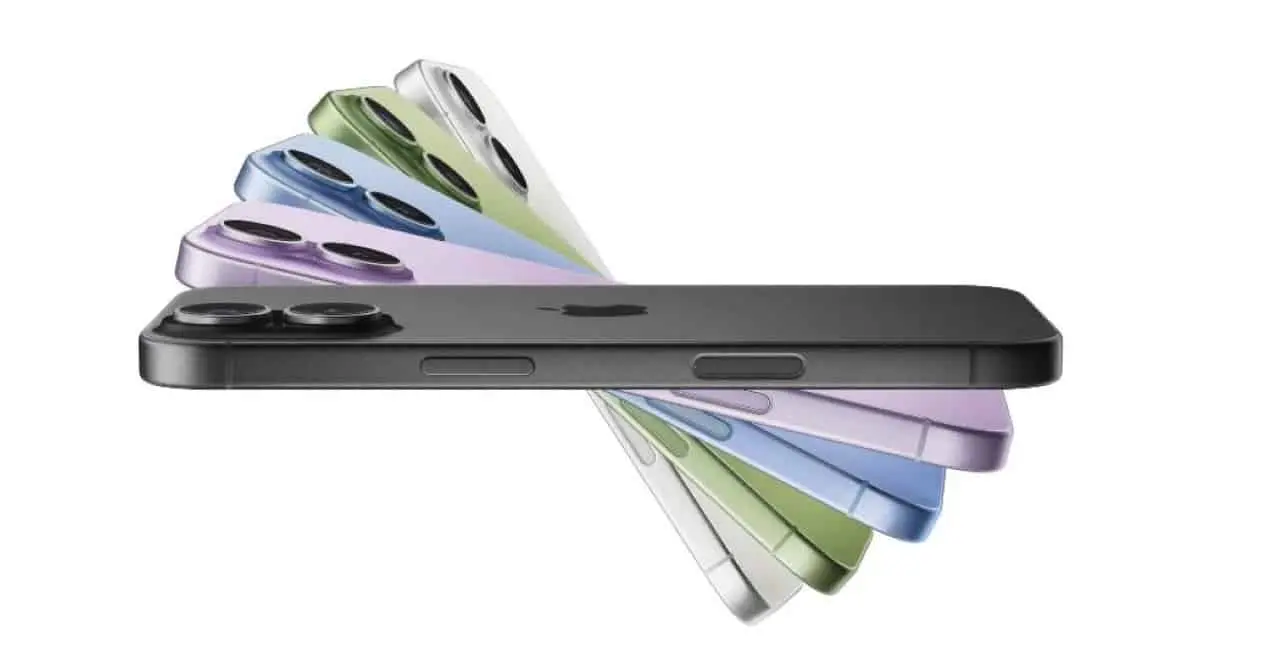
While the overall layout is familiar, the iPhone 18 Pro will bring discreet refinements. The body will continue to be made of titanium, a material that combines lightness and high resistance. The Ceramic Shield rear glass, however, may receive a new, matte finish designed to reduce fingerprints and optimize the grip of MagSafe accessories.
To meet the demand for greater autonomy, the iPhone 18 Pro Max model may have a slightly increased thickness. Essa design change would be justified to accommodate a larger capacity battery, ensuring that intensive users can use the device for longer without the need for constant recharging, a strategic balance between portability and functionality.
New color and customization options
To renew the visual appeal of the premium line, Apple is studying the introduction of new shades. Entre the colors listed are sophisticated variations such as burgundy, an elegant shade of brown and a new version of purple, offering more customization options for consumers.
Learn more: Apple’s future iPhone 18 Pro will have invisible Face ID under the screen and a much smaller Dynamic Island
The strategy behind the updates
The innovations planned for the iPhone 18 Pro indicate a clear strategy for Apple: strengthening the integration of its ecosystem. Recursos and native support for the Thread protocol, driven by the new wireless chip, will facilitate home automation and communication between HomeKit-compatible devices, making the user experience more cohesive.
The technologies tested and implemented in this generation also serve as a basis for future, more radical changes in the company’s portfolio. Apple continues to develop its long-term roadmap, ensuring that each release not only meets current demands, but also sets the stage for the future of mobile technology, maintaining its leadership position in the premium segment.