
Sixth generation Toyota RAV4 debuts in Japan with renewed design and exclusively hybrid powertrain

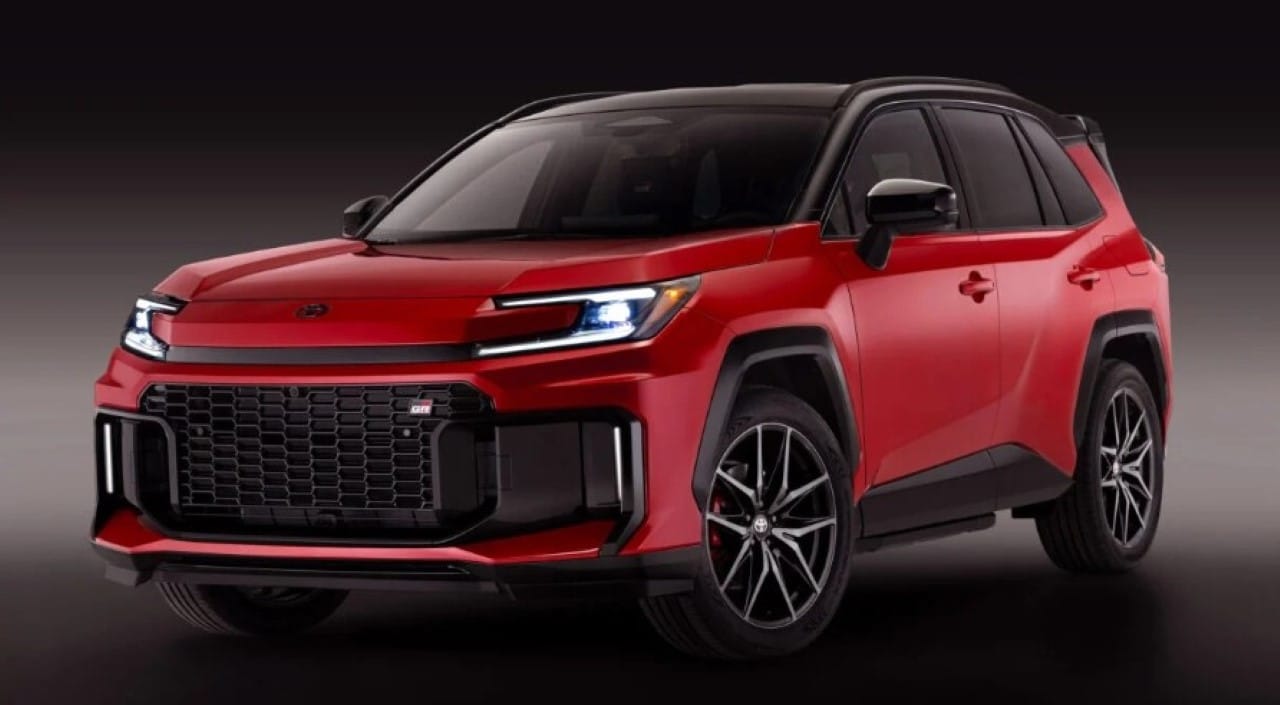
Toyota officially launched the sixth generation of its most successful global sports utility vehicle, the RAV4, on the Japanese market. The model, which began sales in December, marks a new strategic phase for the automaker in its country of origin, arriving exclusively with a series-parallel hybrid propulsion system and E-Four all-wheel drive. Essa decision completely eliminates gasoline-only engine options, reinforcing the brand’s commitment to electrification and reducing carbon emissions.
Initially available in two different versions, Adventure and Z, the new SUV seeks to meet different consumer profiles, from those looking for a more robust and adventurous aesthetic to those who prioritize sophistication for urban use. Prices start at 4.5 million yen for the Adventure version, while the Z configuration starts at 4.9 million yen. Toyota expects to sell around 3 thousand units per month at Japão, a number that reflects confidence in the strong public reception.
The new RAV4 is built on the TNGA-K platform, the same as the previous generation, but with significant improvements in structural rigidity and safety. The changes go beyond the visual, covering important mechanical improvements, a more technological interior and a more complete active and passive safety package. The automaker has already confirmed that plug-in hybrid (PHEV) and sporty GR Sport variants will be added to the portfolio throughout 2026, further expanding the range of options for consumers.
2026 Toyota RAV4 🛡️pic.twitter.com/Ih7mekKA68
— CarCulture (@CarCultureCC)January 12, 2026
The arrival of this new generation represents a crucial step towards maintaining the RAV4’s leadership in an increasingly competitive segment of medium SUVs. By focusing on technology, efficiency and a more imposing design, the Toyota seeks to not only update an established product, but also redefine expectations for the category, aligning the vehicle with the latest connectivity and sustainability trends shaping the automotive industry globally.
Exterior design with stronger visual identity
The main aesthetic change of the new Toyota RAV4 is at the front, which adopts the design known as “hammerhead”, a visual signature present in the brand’s most recent launches, such as the Prius and the C-HR. Este styling is characterized by sharper LED headlights and a more prominent front grille integrated into the bumper, giving the SUV a more aggressive and technological appearance compared to the more angular and traditional lines of the previous generation.
Versions Adventure and Z are clearly differentiated by finishing elements. The Adventure explores an off-road vocation with more robust bumpers, wider plastic moldings on the wheel arches and matte silver details that simulate crankcase protectors. Já the Z version opts for a more urban and elegant proposal, with glossy black finishes, larger diameter alloy wheels with an exclusive design and a cleaner and more sophisticated overall appearance.
All versions come standard with bi-LED headlights and 18-inch wheels, with larger rims available as options. The color palette was also updated, including new metallic and pearlescent shades, some exclusive to each version, allowing greater customization by the customer. Apesar of the visual changes, the external dimensions of the vehicle were kept very close to those of the previous model, preserving its agility in urban traffic and the good use of internal space.
New generation hybrid system and E-Four traction
The heart of the new RAV4 is its enhanced hybrid system, which combines a 2.5-liter Atkinson cycle gasoline engine with more powerful and efficient electric motors. The Toyota has made significant improvements to the transaxle, power control unit (PCU) and battery, resulting in a more linear acceleration response and even lower fuel consumption. Although the combined power figures have not been officially released for the Japanese market, a gain in performance and efficiency is expected compared to the previous system.
The E-Four all-wheel drive, standard on all versions, has also been refined. The system uses a dedicated electric motor to move the rear wheels, eliminating the need for a physical cardan. Isso not only reduces weight and mechanical losses, but also allows for more precise and instantaneous control of torque distribution between the axles. The result is a notable improvement in cornering stability and traction capacity on low-grip surfaces, such as rain or mud, making driving safer and more confident.
The decision to offer the RAV4 exclusively as a hybrid vehicle in the Japão is in line with the Toyota’s global electrification strategy and the country’s stringent emissions targets. The system was calibrated to maximize operating time in electric (EV) mode at low speeds, which is ideal for urban traffic, contributing to the reduction of noise and air pollution in large centers.
Technological interior and advanced connectivity
The RAV4 cabin has been completely redesigned to offer a more modern and connected experience. The main highlight is the new dashboard, which now houses a 12.3-inch fully digital instrument cluster and a new screen for the infotainment system, which may vary in size depending on the version. The multimedia system is compatible with remote updates (over-the-air – OTA), which means that the vehicle’s software can receive new features and improvements without the need for a visit to the dealership.
The quality of materials has also evolved, with the extensive use of soft-touch surfaces and high-quality synthetic leather coverings on the seats, steering wheel and doors. The Z version stands out for more refined finishes, such as brushed metal details, while the Adventure uses more resistant and easy-to-clean materials, consistent with its mixed-use proposal. Ergonomics have been improved, with physical controls for air conditioning and other essential functions, facilitating operation while driving.
The list of convenience equipment has been expanded and includes items such as an induction smartphone charger, wireless compatibility with Apple CarPlay and Android Auto, an optional JBL premium sound system and heated and ventilated front seats. Internal space continues to be one of the model’s strong points, with ample comfort for five occupants and a trunk with generous capacity, maintaining the versatility that has made the SUV famous.
Improved security with new Toyota Safety Sense
Safety is a fundamental pillar in the new RAV4, which comes equipped with the latest generation of the driver assistance technology package, the Toyota Safety Sense. The system uses a combination of cameras and radars with greater range and precision to monitor the environment around the vehicle. Entre the main functions include automatic emergency braking with detection of pedestrians, cyclists and motorcyclists, even at intersections and in low light conditions.
Adaptive cruise control (ACC) has been improved to operate more smoothly in traffic jams, and lane keeping assist now has more active and precise centering. Além Furthermore, the model incorporates features such as blind spot monitoring, rear cross traffic alert with automatic braking and a 360-degree vision camera that facilitates maneuvering in tight spaces. Sete airbags, including a knee airbag for the driver, complete the passive safety package.
Expectations for the Brazilian market
Although Toyota of Hybrid and models from Chinese brands such as the GWM Haval H6 and the BYD Song Plus.
The most likely configuration for the Brazilian market is the plug-in hybrid (PHEV), which offers greater autonomy in electric mode and benefits from tax incentives. Essa version combines the same 2.5 gasoline engine with more powerful electric motors and a larger capacity battery, which can be recharged from external sources. Prices should be in a higher range than the current model, possibly between R$380,000 and R$430,000, depending on the version and equipment offered. The renewal of the RAV4 is eagerly awaited, as the model has a successful track record and a loyal customer base in the Brasil.
Versatility of version Adventure
The Adventure version was designed for consumers looking for a versatile vehicle, capable of tackling both city asphalt and light trails on weekends. Para In addition, it receives specific suspension adjustments, which provide greater ground clearance, and is equipped with all-terrain tires, which offer better grip on unpaved surfaces. The Multi-Terrain Select system, controlled by a selector on the center console, allows the driver to choose between different driving modes (such as Lama and



