
Earth records biggest solar radiation storm in more than 20 years with active S4 level


An S4 level solar radiation storm, the most intense in more than two decades, began near Terra on January 19, 2026. The event was recorded by Laboratória of Astronomia Solar of Instituto of Cosmologia Espacial of NOAA, in the Estados Unidos.
The flow of protons with energy greater than 10 MeV exceeded 10 thousand units and reached peaks close to 37 thousand particles per unit flow. Esse level surpasses previous records of the current solar cycle and represents the highest value observed since the beginning of the century.
The particles are completely blocked by the Earth’s magnetic field and atmosphere. However, the phenomenon generates significant impacts in space orbits and high-altitude activities.
The event originates from an X1.95 class solar flare recorded on January 18. Essa was the first X-class eruption of the year and launched a coronal mass ejection that accelerated protons toward Terra.
Understanding the phenomenon of solar radiation storms
Solar radiation storms occur when flares in Sol release large quantities of high-energy protons. Esses protons travel at speeds close to that of light and reach Terra in a matter of hours or days.
The NOAA scale classifies these events from S1 to S5, with S4 considered severe and S5 extreme, the latter never recorded in modern history. The S4 level indicates a proton flow greater than 10,000 units, sufficient to affect electronic systems in orbit.
Experts constantly monitor solar activity using satellites such as NOAA’s GOES and ground-based observatories. The data makes it possible to predict the intensity and duration of these events with limited advance notice.
Main risks associated with level S4
According to NOAA’s official scale, an S4 storm presents specific dangers for different sectors. Astronautas in extravehicular activities face an inevitable risk of high exposure to radiation.
Passengers and crew on flights on polar routes may receive additional doses of radiation. Empresas airlines adjust routes to lower latitudes during these periods.
Satellites in orbit suffer degradation in solar panels and failures in memory components. Operadores activate protection modes to minimize long-term damage.
High-frequency radio communications in polar regions experience significant disruptions. Sistemas GPS navigation systems have larger errors than usual in affected areas.
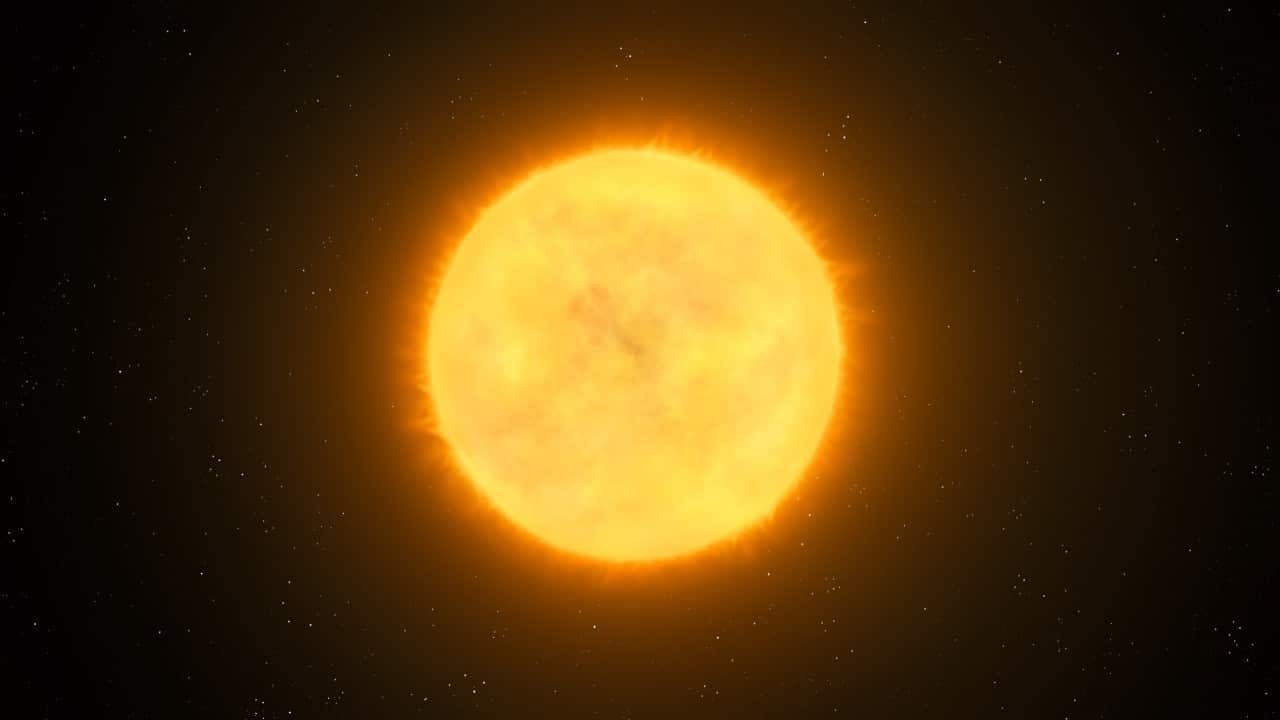
Detailed source of the current event
The responsible solar flare occurred on January 18, peaking at 9:09 pm Moscou time. The active sunspot released energy equivalent to billions of atomic bombs in just a few minutes.
The associated coronal mass ejection traveled toward Terra at high speeds. Parte of the material reached the Earth’s magnetic field, intensifying the observed proton flow.
Russian scientists highlighted that the level reached exceeds that recorded in the great eruption of 2003. On Naquela occasion, similar values caused temporary interruptions in several satellites.
Solar cycle 25, in its maximum phase, has shown activity above the initially predicted average. Esse behavior increases the frequency of extreme events like the current one.
Observed impacts on satellites and space infrastructure
Satellite operators activated emergency protocols to protect sensitive equipment. Componentes Radiation-hardened electronics help mitigate effects, but prolonged exposure reduces lifespan.
Solar panels on several satellites registered a temporary drop in efficiency. Empresas like Starlink and other constellations continuously monitor the performance of their fleets.
Space stations, including the ISS, keep astronauts in more protected areas during radiation spikes. Procedimentos standard guarantees crew safety in low orbit.
Space agencies coordinate information in real time to assess the need for adjustments to planned missions. The current event has not compromised critical operations to date.
Effects on aviation and polar communications
Airlines operating transpolar routes received warnings from NOAA and adjusted trajectories. Voos between América of Norte, Europa and
Pilots reported interruptions in HF communications in Arctic regions. Sistemas satellite-based alternates maintained contact during affected periods.
Civil aviation authorities have issued recommendations for continued monitoring. Doses additional radiation on polar flights remains within annual limits established for crew members.
Comparison with historical events of the 21st century
The last significant S4 event occurred in 2003, during solar cycle 23. Naquela epoch, proton flux reached values close to today’s and caused prolonged radio blackouts.
In 2012, a powerful eruption generated warning, but did not reach the same level of protons. The current event represents the most intense since then.
Records from the 20th century show higher peaks, close to 40 thousand units. However, space technology at the time was less vulnerable than today.
Increased reliance on satellites makes events like this more relevant today. Infraestrutura Global communications and navigation experiences greater impacts compared to past decades.
Possible additional consequences of the event
A G4-level geomagnetic storm was predicted for January 20 due to the full arrival of the coronal mass ejection. Esse phenomenon can intensify northern lights in mid-latitudes.
Regions north of the northern Estados Unidos, Canadá and Europa recorded a greater probability of aurora sightings. Observadores in locations with clear skies reported initial activity.
Power distribution systems at high latitudes remain monitored for possible current inductions. Eventos have caused localized interruptions in electrical networks.
Space agencies maintain continuous surveillance over the evolution of the phenomenon. Previsões indicate gradual decline in proton flux over the next few hours.
Global monitoring of solar activity
Centers such as NOAA and Russia coordinate real-time data with other institutions. Observatórios optical and radio complement information from satellites.
Space weather forecasts have gained importance with the increase in manned missions and satellite constellations. Alertas advances allow preventive measures in various sectors.
The current solar cycle is expected to peak in the coming months. Especialistas expect continued high activity until the middle of the decade.




