
Morello’s culinary glitter and gold leaf are removed from the market by Anvisa because they contain plastic
Agência Nacional of The decision, published in Diário Oficial of União on January 16, 2026, was motivated by the identification of plastic polymers in the composition of the products, substances prohibited for human consumption.
The items were widely advertised and sold as edible ingredients, mainly on e-commerce and social media platforms, posing a direct risk to consumers’ health. The measure is valid throughout the national territory and requires the immediate recall of products that are already in circulation on the market.
The company responsible for manufacturing the products is 3JG Indústria and Comércio from Artigos to Confeitagem Ltda. Anvisa warns that both professionals in the confectionery sector and domestic consumers must stop using the items immediately and carry out appropriate disposal to avoid health risks.
Understand which products have been suspended
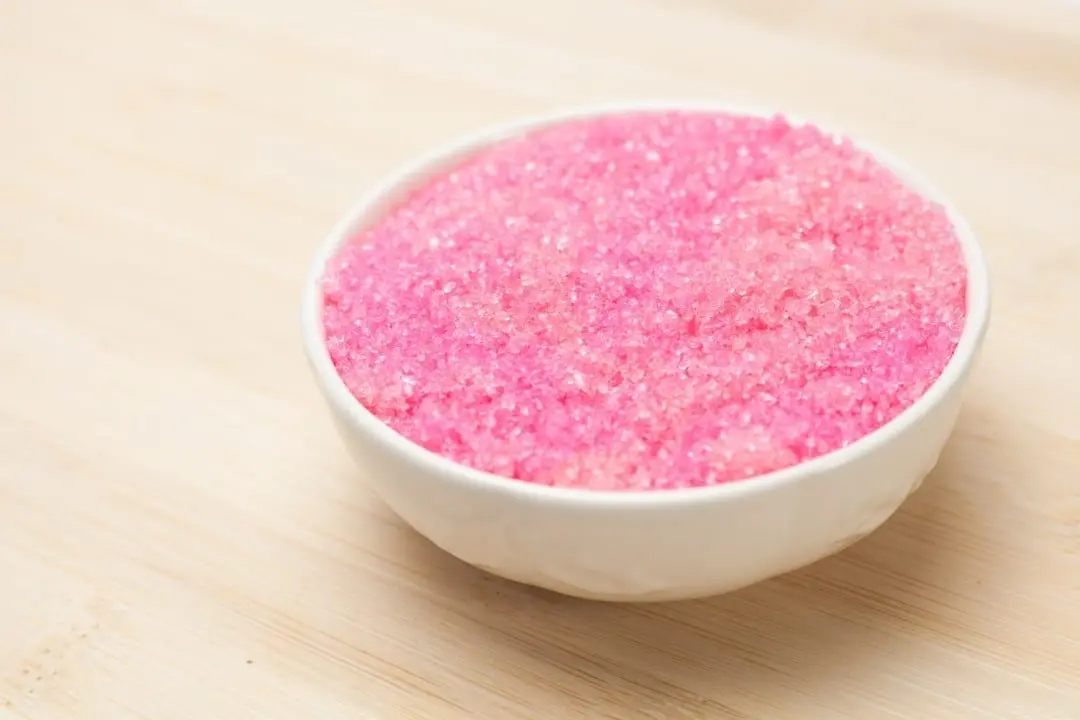
The health agency’s resolution covers all batches of powder and glitter for decoration, popularly known as glitter, manufactured by Morello, regardless of color. Esses products were often used to adorn cakes, sweets, desserts and even drinks at events.
In addition to glitter, gold leaf from the same brand, also intended for use in food, was included in the ban. Laboratory investigation confirmed that both items contained plastic materials, contradicting the claim that they were safe to ingest.
The legal basis for the ban
Anvisa’s decision is based on technical analyzes that detected the presence of plastic polymers, components that are not part of the list of food additives authorized by Brazilian legislation. The main standard that governs the sector, Decreto-Law nº 986 of 1969, establishes strict rules on the ingredients that can make up food products.
Read also: Authorities track batch of lettuce linked to new outbreak of serious intestinal infection
The ingestion of plastic materials is expressly prohibited, and the sale of products that contain them as ingredients constitutes a serious health infraction. The classification of items as “ingredients” worsens the situation, as it presupposes their direct consumption.
The measure adopted by the agency is preventive in nature and aims to protect public health, preventing consumers from being exposed to inappropriate and potentially harmful substances. The action reinforces control over the safety of food sold in the country.
Dangers associated with the consumption of microplastics
Ingestion of plastic polymers, even in small quantities, can cause several health problems. Especialistas warn of risks ranging from immediate digestive disorders to chronic complications resulting from the accumulation of these particles in the body.
International scientific studies have already linked exposure to microplastics to disruptions in the endocrine system and an increase in inflammatory processes in the body. Embora long-term effects are still the subject of research, the precautionary principle is adopted by regulatory agencies around the world.
Learn more: Manufacturer Ypê advises consumers on products suspended by Anvisa and confirms refund
Groups considered more vulnerable, such as children, the elderly and individuals with food sensitivity or compromised immune systems, may experience more intense adverse reactions. The contamination of food with inedible materials compromises the safety of the entire production chain.
Toxicologists are unanimous in stating that no aesthetic appeal justifies exposure to health risks that can be avoided. Anvisa’s action is aligned with the best global consumer protection practices in the food and beverage segment.
Guidelines for the market and consumers
With the publication of the resolution, all commercial establishments, including physical and virtual stores, are obliged to remove Morello brand products from their shelves and suspend any form of advertising or publicity. Inspection will be intensified by local health surveillance agencies to ensure compliance with the determination throughout the country. The measure covers the interruption of commercialization, the prohibition of use in food preparations and the compulsory recall of existing stocks.
Understand the case: Health screening links batch of lettuce to new outbreak of serious intestinal infection
Consumers who have purchased the affected lots are advised not to use them and to check the procedures for return or safe disposal with the establishment where the purchase was made. Profissionais confectionery companies must carry out a careful review of their stocks to ensure that no prohibited items are used in their production, guaranteeing the safety of their customers and compliance with current regulations.
Criteria for safe food decorations
The Anvisa regulations are clear about what can be considered an edible decorative product. Para Before an item such as glitter or gold leaf is approved for human consumption, it must be manufactured exclusively with ingredients that appear on the agency’s list of permitted food additives. Glitters truly edible foods, for example, are generally produced based on substances such as gum arabic, corn starch, sugar and duly authorized food colorings. Da Likewise, gold leaves can only be used in cooking if they are pure gold, commonly 23 or 24 carats, without the presence of other metals or plastic supports in their composition. Qualquer product that does not meet these strict criteria cannot be sold as edible, and manufacturers, importers and distributors are responsible for following the same technical requirements to ensure the safety of the end consumer.
History of inspection in the sector
Surveillance actions on decorative food products are nothing new. In 2025, Anvisa had already suspended products from other brands in the same segment that presented similar irregularities. Essas operations demonstrate continuous monitoring of items that, although often for artisanal use, can be improperly migrated to culinary use without due security.
How to choose safe products
Manufacturers that follow health standards offer several certified options for edible decorations. Esses products generally display the registration number or compliance with Anvisa legislation visibly on the packaging, which facilitates identification by the consumer.
To ensure a safe purchase, it is essential to check the label for the detailed composition and prioritize suppliers and brands with a good reputation and registration with the competent bodies. The recommendation is to avoid products with ambiguous indications for use or that do not clearly specify that they are intended for human consumption.
More on this story: Anvisa authorizes immediate resumption of production at the Ypê factory in Amparo after corrections of sanitary flaws
More news in News (EN)
See more → Samsung releases new system update with new features for Galaxy Watch 4 users
 Digital retail reduces the value of the Galaxy S25 5G smartphone with bank bonuses and device exchange
 Amazon’s wireless CarPlay adapter has a 50% discount and high approval ratings from drivers
 Zach Cregger’s new Resident Evil ignores games and focuses on an unprecedented story with new characters
 Rumor suggests that Nintendo is preparing a special edition of the Switch 2 with a remake of Ocarina of Time
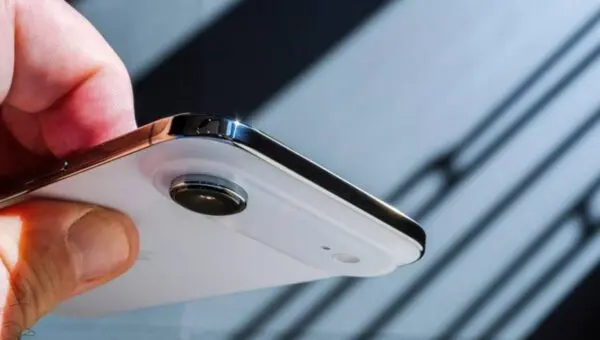 Apple accelerates production of the iPhone 17e and develops new Air model with dual camera system
 Epic Games platform releases twelve high-budget games at no permanent cost for PC users
 PlayStation 5 Pro price drop accelerates digital retail sales and eliminates global stocks
 New Galaxy Watch 9 firmware appears on server and confirms progress in software development
 Apple’s commemorative project tests cell phone with 1.1 millimeter edge and curved screen for 2027
 New Apple system update optimizes urgent task management for iPhone users
 Leak details hardware of the new portable PlayStation with superior graphics to the Xbox Series S
More news on Mix Vale
- 1Colby Minifie confirms Ashley Barrett’s powers in The Boys season five
- 2Napoli x Milan in Serie A with confirmed lineups and where to watch live
- 3New battery test puts Galaxy S26 Ultra ahead of iPhone 17 Pro Max in global ranking
- 4Research reveals that parents are unaware of how their children use artificial intelligence
- 5Oppo officially launches the Find X9 Ultra worldwide with Hasselblad lenses and robust battery
- 6Tim Cook reveals new iPhone and iPod prototypes in celebration of Apple’s fiftieth anniversary
- 7New edition of foldable smartphone brings gold finish to Winter Games competitors
- 8Android system receives native Gemini Nano 4 integration for offline processing on smartphones
- 9Samsung updates QuickStar module and expands visual control of the panel in the One UI 8.5 interface
- 10Leak reveals Lords of the Fallen and Sword Art Online in April’s PS Plus Essential catalog