
Nature’s 10 list highlights deep-ocean scientists and AI who marked 2025

On December 8, 2025, Nature magazine released its annual Nature’s 10 list, highlighting ten personalities who significantly influenced the scientific scenario of the year. The selection includes researchers, negotiators and even a baby who received innovative treatment, reflecting trends in areas such as ocean exploration, public health, astronomy and artificial intelligence. Those chosen represent contributions from several countries, including China, Brasil, Estados Unidos and Israel.
The annual Nature list not only rewards technical discoveries, but also recognizes efforts to defend scientific integrity and global health policy. In a year marked by political challenges and rapid technological advances, these individuals stood out for concrete impacts in their areas. The publication emphasizes the resilience of science in the face of external pressures.
The ten selected illustrate the geographic and thematic diversity of contemporary research. Eles work in fields ranging from molecular biology to international diplomacy.
- Susan Monarez: public health advocate in the Estados Unidos.
- Achal Agrawal: researcher of academic retractions at Índia.
- Tony Tyson: Telescope pioneer at Chile.
- Precious Matsoso: global pandemic treaty negotiator.
- Sarah Tabrizi: leader in treatments for Huntington disease.
- Mengran Du: deep ecosystem explorer at China.
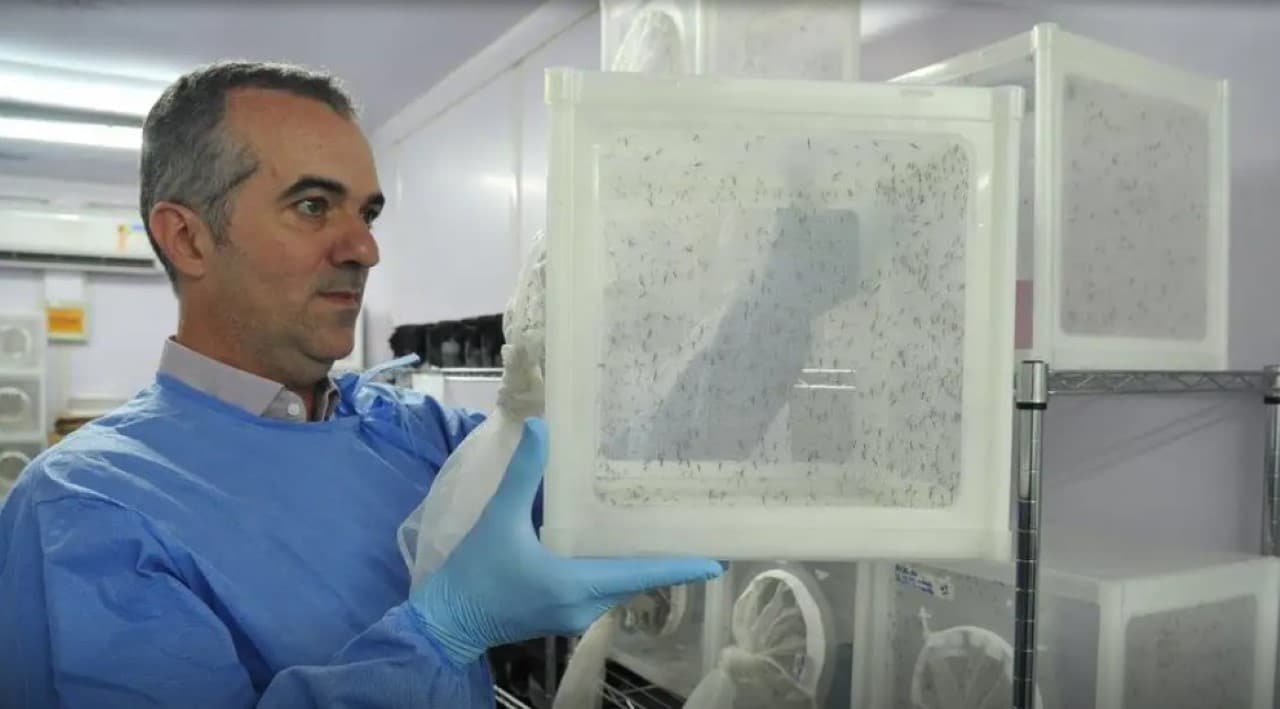
- Luciano Moreira: mosquito disease controller at Brasil.
- Liang Wenfeng: artificial intelligence disruptor at China.
- Yifat Merbl: discoverer of immune mechanisms in Israel.
- KJ Muldoon: baby treated with personalized gene editing.
Exploration in the deep oceans
Mengran Du, a Chinese geoscientist, carried out historic dives with the submersible Fendouzhe in regions close to Japão. Ela identified complete animal ecosystems at extreme depths, supported by methane-based chemical processes, without dependence on sunlight.
These observations altered established understandings of energy flow in ocean abysses. The presence of diverse species in high-pressure environments reinforces the need to review global biodiversity models in hadal zones.
Public health defense
Susan Monarez took over as director of Centro from Controle from Ela refused to approve guidelines without adequate scientific review and resisted politically motivated layoffs of essential staff.
His stance highlighted tensions between scientific evidence and political pressures on health agencies. Especialistas recognized their decision as an example of maintaining professional standards in adverse contexts.
IT’S FROM BRAZIL! Cientista Brazilian who developed a version of Aedes that protects and does not transmit dengue entered the list of those who changed science in 2025.
— ACERVO (@AcervoCharts)December 8, 2025
Luciano Moreira was elected one of the ten most important scientists in the WORLD by Nature magazine.pic.twitter.com/LXIEIQvUwq
Academic integrity at Índia
Achal Agrawal identified high patterns of retractions in Indian institutions and created an online platform for monitoring. The work resulted in government punishments for universities with high levels of irregularities, linking sanctions to rankings and financing.
Despite facing legal proceedings, he continued offering training in research ethics. The initiative contributed to greater transparency in the country’s academic system.
Advances in astronomy
Tony
The telescope represents a long-term investment in observing the southern sky. Seus data will support studies on cosmic distribution over the next decade.
Global treaty against pandemics
Precious
His diplomatic actions overcame differences between countries at different economic levels. The document strengthens collective preparations for future health threats.
Progress in neurological diseases
Sarah Tabrizi conducted clinical trials with AMT-130 gene therapy for Huntington disease. Resultados indicated significant reduction in progression of the condition in high-dose groups, offering perspective for intervention in fatal genetic disease.
She is part of teams that monitor early brain changes in asymptomatic carriers. The advances represent renewed hope for patients affected by the disease.
🌍 Nature magazine released the 10 science characters in 2025!
— Embaixada from China on Brasil (@EmbaixadaChina)December 9, 2025
This year, two scientists from China are on the list:
• Liang Wenfeng, founder of DeepSeek, whose open-weight AI model drew attention for high performance at low cost.
• Du Mengran, geologist who descended…pic.twitter.com/Tur5a03p8e
Control of mosquito-borne diseases
Luciano Moreira manages a biofactory in Curitiba that produces millions of eggs of Aedes aegypti infected with bacteria The technique reduces transmission of dengue, zika and chikungunya in release areas in Brasil.
Implementations in cities demonstrated significant drops in incidences of the disease. The method gained government adoption and expansion to other regions.
The researcher combined experimental rigor with the ability to dialogue with authorities. Estudos economic indicators point to a high return in public health per investment made.
The strategy is already applied in multiple countries. Accumulated Resultados confirms sustained efficacy of the biological approach.
Innovation in artificial intelligence
Liang Wenfeng founded DeepSeek, launching low-cost, open language models that compete with leading solutions. The company made accessible tools available, allowing review and adaptations by global communities.
Developments have altered market dynamics in generative AI. Publicações peer-reviewed validated performance on complex tasks.
Discoveries in the immune system
Yifat Merbl identified antimicrobial peptides produced by cellular proteasomes during infections. The research revealed an additional innate defense mechanism present in common cells.
The findings expand understanding of intracellular immune responses. High combinatorial Potencial suggests future applications in antimicrobial treatments.
Personalized gene editing
KJ
The case demonstrates the technical feasibility of individualized interventions. Multidisciplinary Coordenação overcame complex regulatory and logistical barriers.
The experience paves the way for applications in other rare conditions. Equipes already plan controlled scaling of the approach.
Global scientific resilience
The 2025 Nature’s 10 list reflects science’s ability to produce relevant results despite budget restrictions and external interference in several countries. Contribuições individuals strengthen international collaborations in critical areas.
The advances recorded in the year maintain progress in understanding the universe, human health and environmental sustainability. Seleções highlight a balance between technological innovation and defense of ethical principles.



