Standard Galaxy S26 only has 25W charging despite initial rumors
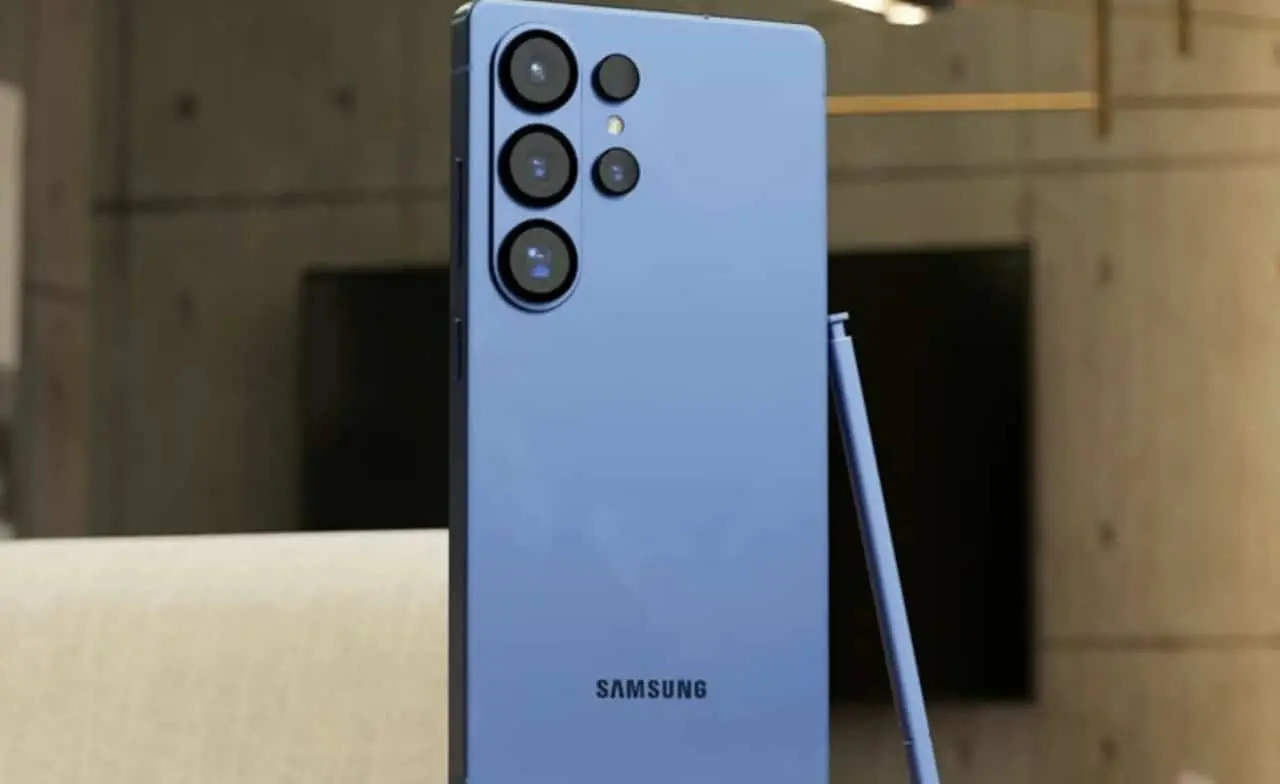
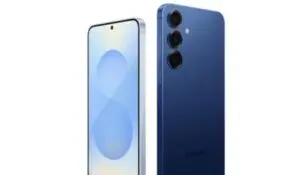
Recent leaks indicate that the base model of the Samsung Galaxy S26 will not receive the expected upgrade in charging speed. The device will continue to support 25W wired, the same as its predecessor Galaxy S25. Essa information contradicts previous rumors that suggested a possible jump to 45W.
Samsung chose to maintain this specification in the entry-level model of the flagship line for 2026. Consumidores who expected more significant advances in recharge time can review their expectations. The company appears to prioritize other areas, such as increasing battery capacity.
Although charging does not evolve, the basic Galaxy S26 should feature a 4,300 mAh battery. Essa capacity represents an increase over the 4,000 mAh of the previous model. The change may partially compensate for the limited recharge speed in daily use.
Loading specifications on the Galaxy S26 line
The top models in the series have clear differences from the basic one. The Galaxy S26 Plus maintains the 45W of wired charging of the Galaxy S25 Plus. Sua battery remains at 4,900 mAh, with no significant changes announced so far.
The Galaxy S26 Ultra receives more significant improvements in this area. The top of the line now supports 60W wired, compared to 45W for its predecessor. Wireless charging also advances to 25W, up from the previous 15W.
On the same topic: Fast charging: how excess heat affects your cell phone and battery
- Basic Galaxy S26: 25W wired, 4,300 mAh battery;
- Galaxy S26 Plus: 45W wired, 4,900 mAh battery;
- Galaxy S26 Ultra: 60W wired and 25W wireless, battery between 5,000 mAh and 5,200 mAh.
These specifications position the Ultra as the fastest option in the family. The differentiation between the models reinforces Samsung’s strategy of concentrating advances on premium devices. The basic is closer to intermediate lines in reloading performance.
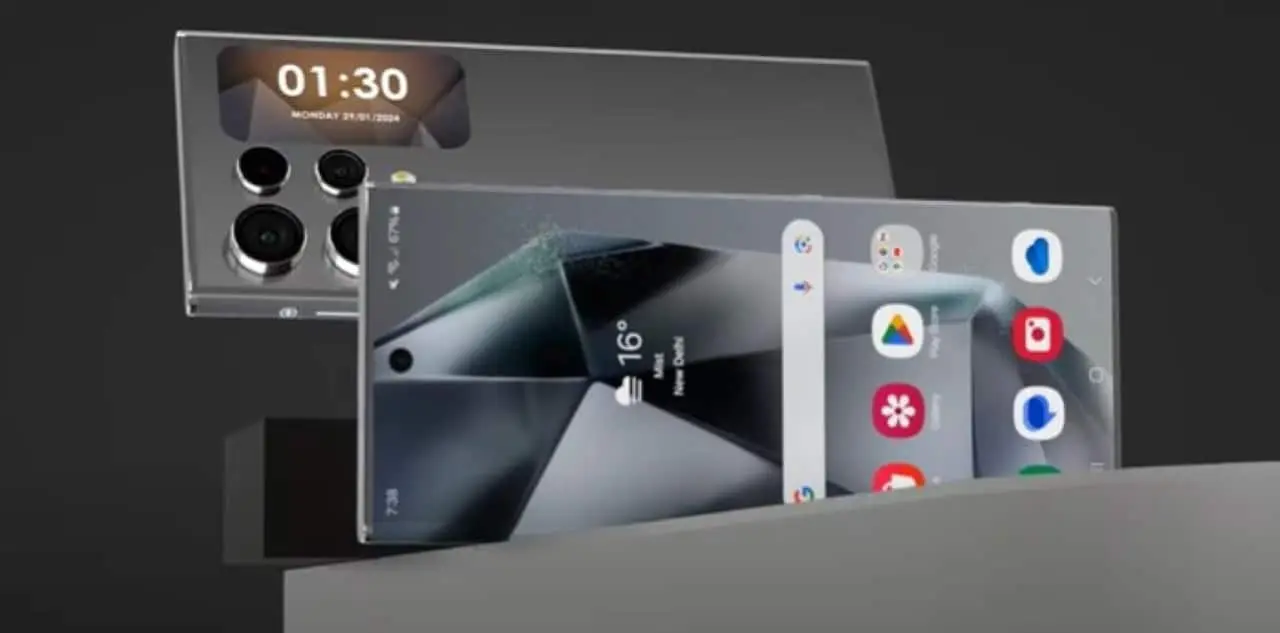
Battery increase in the base model
The standard Galaxy S26 gains extra battery capacity despite stagnant charging speeds. The 4,300 mAh represent the same size that was expected for a supposed Galaxy S26 Edge, a project that may have been postponed. Essa change improves autonomy compared to the Galaxy S25.
Samsung faces rising component costs across the industry. Manter 25W charging helps control expenses in the entry-level model. The company compensates with a larger battery to maintain competitiveness in terms of duration of use.
Preliminary tests suggest that the device can reach around 55% charge in 30 minutes with 25W. Full performance depends on software optimizations and the new chipset. The combination of enlarged battery and efficient processor can balance the daily experience.
Differences in models Plus and Ultra
The Galaxy S26 Plus preserves consolidated reloading characteristics. The 45W allows a full charge in a reasonable time for its 4,900 mAh capacity. The intermediate model avoids major risks and focuses on general balance.
On the other hand, the Galaxy S26 Ultra stands out with 60W wired. Vazamentos indicate that the device can reach 75% or more in about 30 minutes. 25W wireless charging also benefits users of magnetic accessories.
The battery capacity of the Ultra varies between reports. Algumas sources maintain the 5,000 mAh of the predecessor. Outras suggest a possible increase to 5,200 mAh with higher energy density technologies.
Comparison with direct competitors
The 25W charging on the base Galaxy S26 lags behind some rivals in 2026. Intermediaries from competing brands already offer higher speeds in similar price ranges. The Samsung prioritizes other aspects in the entry-level flagship.
More on this story: BMW reveals iX3 electric SUV in Japan and formalizes partnership with Keito Nakamura
The basic iPhone 17, for example, supports around 30W with a suitable adapter. Essa speed surpasses the 25W of the standard Galaxy S26. The difference influences purchasing decisions for those who value fast recharging.
See Also


In the premium segment, the Galaxy S26 Ultra competes best with 60W. The improvement places the device close to Chinese options that reach 100W or more. The Samsung balances speed with safety and battery life.
Samsung strategy for the series
The company takes a conservative approach to the base model of the S26 line. Manter 25W reduces production costs amid market pressures. The decision allows for a more affordable price without sacrificing profit margin.
Initial rumors about upgrading to 45W generated expectations among consumers. Correções later confirmed the maintenance of the original specification. Samsung avoids radical changes that could impact the supply chain.
Learn more: Engineers develop stable, ultra-fast charging sodium battery
The focus on a larger battery in the basics meets demands for extended autonomy. Usuários Intensives benefit more from extra capacity than from ultra-fast recharging. The strategy aligns with actual usage patterns observed by the brand.
Other expected features
In addition to charging and battery, the basic Galaxy S26 maintains similar cameras to its predecessor. Samsung opts for stability in sensors to control costs. Melhorias focus on image processing via software.
The standard model’s screen can grow slightly to 6.3 inches. The Full HD+ resolution and 120 Hz refresh rate remain. The design follows the lines of the previous generation with minimal refinements.
The chipset varies by region, with new-generation Snapdragon or Exynos options. Ambos promise gains in energy efficiency. The combination supports the enlarged battery and compensates for slower recharging.
Learn more: IQOO Z11 Lite arrives in India with 44W fast charging and focus on value for money
Impact on the flagship market
The clear differentiation between models in the S26 line directs consumers to higher versions. Quem seeks fast loading tends to migrate to Plus or Ultra. The basics attract a price-sensitive audience with prioritized autonomy.
The Samsung reinforces the positioning of the Ultra as a reference in complete performance. The 60W wired and wireless advances justify premium value. The model establishes itself as the main option for enthusiasts.
The base Galaxy S26 still offers a competitive package in other respects. Powerful Processador, quality screen and updated software maintain appeal. The 25W recharge does not prevent satisfactory use in daily routine.
Final leak details
Information about the series continues to emerge ahead of its official release. Samsung plans an event in February or March 2026 for a full presentation. Especificações will only be confirmed at that time.
The company works on software optimizations to maximize autonomy. Recursos artificial intelligence helps with energy management. Atualizações future may improve charging experience.
Consumers follow developments in the flagship line closely. Maintaining 25W in the basics generates debates about the pace of innovation. The Samsung balances tradition with selective advancements in superior models.