
US bill requires manual door handles on new vehicles for emergency exits after fatal accidents

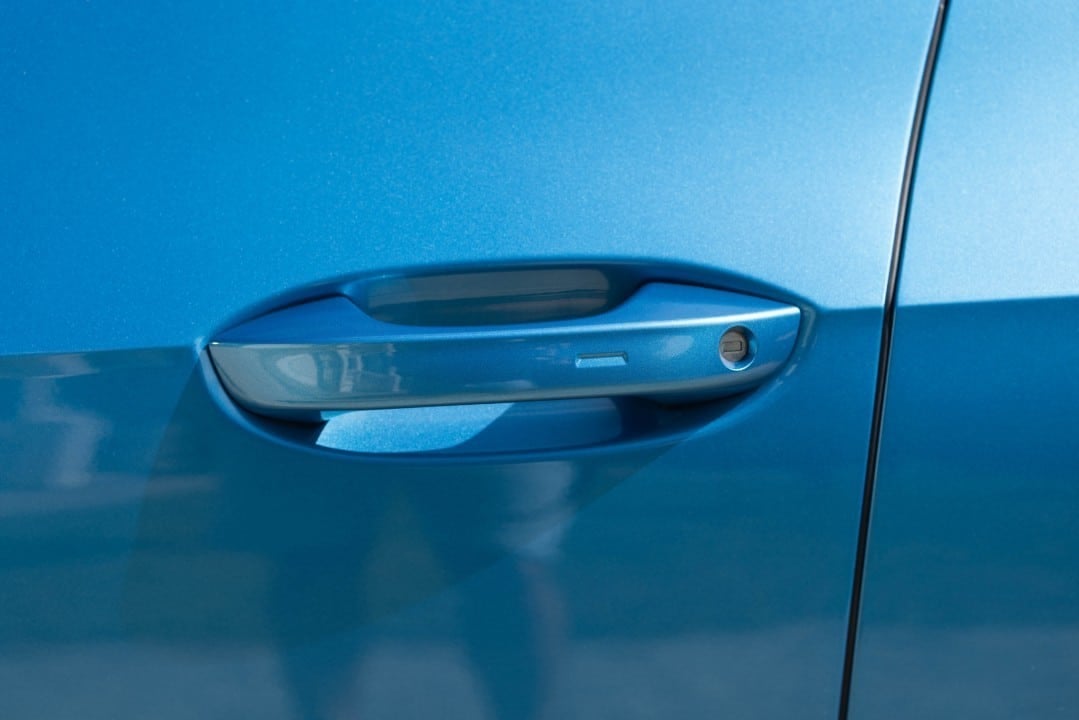
Federal deputy Robin Kelly, Democrat for Illinois, presented at Câmara of Representantes of Estados Unidos the project known as SAFE Exit Act. The measure determines that all new cars must be equipped with manual door opening mechanisms that work without depending on electrical energy. The text was filed on January 6, 2026 and directly responds to concerns about the safety of passengers in accidents involving loss of energy.
The project establishes that the Administração Nacional of Segurança of Tráfego Rodoviário (NHTSA) must issue specific regulations within a specified period of time. Fabricantes will have up to two years to adapt the models after the publication of the final standards. The proposal does not prohibit electronic door handles, but requires clear and easily located mechanical alternatives both inside and for external access by rescue teams.
Details of the legislative proposal
SAFE Exit Act changes the vehicle safety code of Estados Unidos to include a mandatory manual release standard. Cada door must have a mechanical device that is visible and operable even in the event of total failure of the vehicle’s electrical system.
The standard also provides for clear labeling of emergency mechanisms. Essa requirement facilitates use by occupants under stress and by rescuers working outside. NHTSA will be responsible for defining performance criteria, testing and positioning of devices.
Incidents recorded with electric vehicles
Reports indicate at least 15 deaths associated with difficulty opening doors in accidents involving Tesla vehicles. In some cases, power outages prevented electronic retractable door handles from functioning, leaving occupants trapped.
An accident involved a man and two children who were unable to get out of a Tesla after a collision. Outro case recorded three young people, including a university student, in a Cybertruck that caught fire after impact. Investigação journalist compiled more than 140 reports of people trapped in vehicles with similar systems.
- Accident with loss of power and locked doors on model Tesla;
- Difficulty in external rescue due to the absence of traditional door handles;
- Reports of failures under low battery voltage conditions.
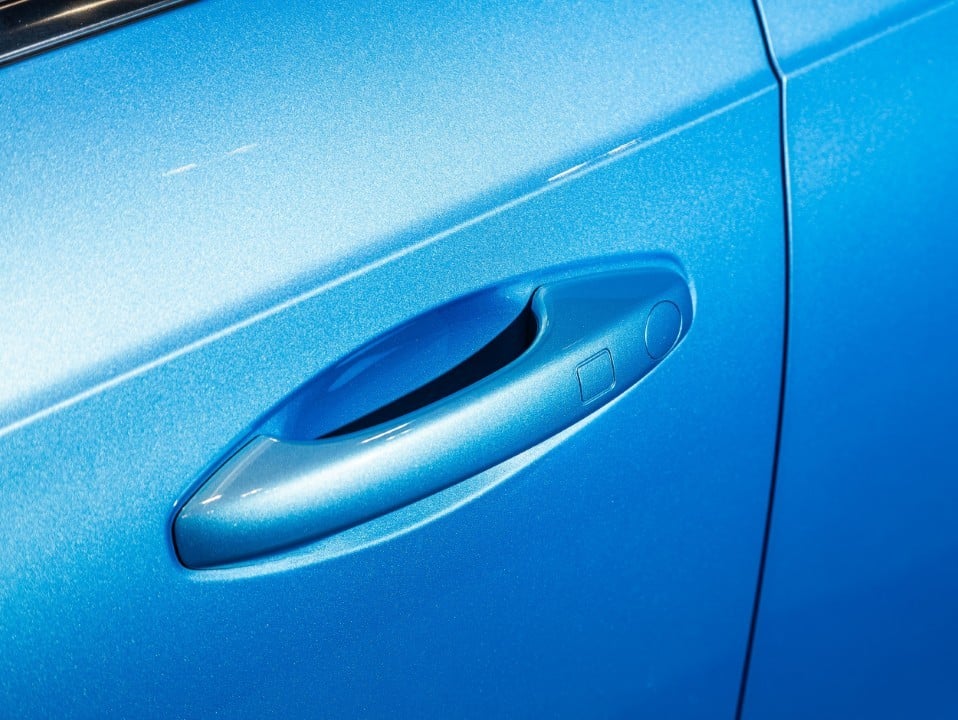
Currently affected manufacturers and models
Several automakers offer vehicles with electronic or retractable door handles in their current lineups. Tesla uses the system throughout the fleet, with secondary manual levers that require specific procedures for activation.
Other brands include:
- Hyundai on some electric models;
- Kia with similar options;
- Nissan, Infiniti, Chevrolet and Land Rover in selected variants.
These secondary devices exist in most cases, but their location is not always intuitive. The proposal seeks to standardize access to avoid confusion in critical situations.
International regulatory context
China announced guidelines that restrict exclusively electronic door handles on light vehicles from 2027. The country requires both internal and external mechanical mechanisms for all new models.
In the Estados Unidos, the absence of a specific federal standard on the subject allowed the proliferation of electronic designs. Organizações of consumer protection collected more than 35 thousand signatures on a petition to demand similar changes even before the project was presented.
Support from specialized entities
The Consumer Reports organization publicly endorsed SAFE Exit Act shortly after its introduction. The group classifies the measure as an adequate response to a real safety risk that is growing with the expansion of electric vehicles.
Vehicle safety experts highlight that standards such as seat belts and airbags have undergone similar evolutions. The inclusion of manual release follows equivalent redundancy logic in critical systems.
Next steps in the legislative process
The project now goes for analysis in committees of Câmara of Representantes. Caso approved, will advance to Senado and subsequent presidential sanction before coming into force.
NHTSA will conduct public consultations to define technical details of the regulations. Fabricantes may submit contributions during this period, influencing the final implementation requirements.
Expected impact on the automotive market
The adoption of electric vehicles continues to expand in the Estados Unidos, with projections of significant growth in the coming years. Normas updated security features accompany this technological transition.
Automakers have already developed hybrid solutions in some recent models. Regulation can accelerate the standardization of mechanisms that combine modern design with mechanical redundancy.
Additional security measures
Vehicles with electronic systems often include emergency instructions in the owner’s manual. Fabricantes recommend prior familiarization with secondary manual devices.
Rescue teams train specific procedures for different brands. The proposed mandatory labeling will facilitate rapid interventions in the field.
- Periodic checking of the operation of manual mechanisms;
- Knowledge of the exact location on each model;
- First responder training for external access in EVs.
The legislative proposal represents progress in adapting safety standards to the technological evolution of vehicles. The focus remains on ensuring rapid and independent exit in emergency situations.
Evolution of American vehicle standards
Federal safety regulations in the Estados Unidos have continually evolved since the creation of the NHTSA. Itens today mandatory brakes such as ABS and stability control have undergone similar update processes.
The inclusion of requirements for doors reflects the incorporation of new technologies in the vehicle fleet. The balance between aesthetic innovation and security functionality guides current discussions.



