
Apple develops four MacBooks with the new M5 chip, including a more economical entry-level version


Apple is preparing one of the biggest updates to its notebook line, with plans to launch four new MacBook models equipped with the future generation of M5 family processors. The company’s strategy aims not only to make a leap in performance, but also to expand its market reach with the introduction of a significantly more affordable entry-level model designed to compete directly with the Chromebooks.
This new line will range from casual users and students to professionals who demand maximum performance. The move indicates a tactical change by Apple, which seeks to consolidate its presence in price segments where it has historically had little participation, while at the same time reinforcing its leadership in the high-performance sector. The M5 chip, manufactured with TSMC’s 3-nanometer technology, is the central pillar of this renewal, promising notable gains in energy efficiency and processing power.
Information suggests that the renewal will include updates for the MacBook Air and the 14-inch and 16-inch models of the MacBook Esse comprehensive planning aims to create a cohesive and diverse portfolio capable of serving an even wider range of consumers and solidifying the Apple ecosystem in the personal computer market.
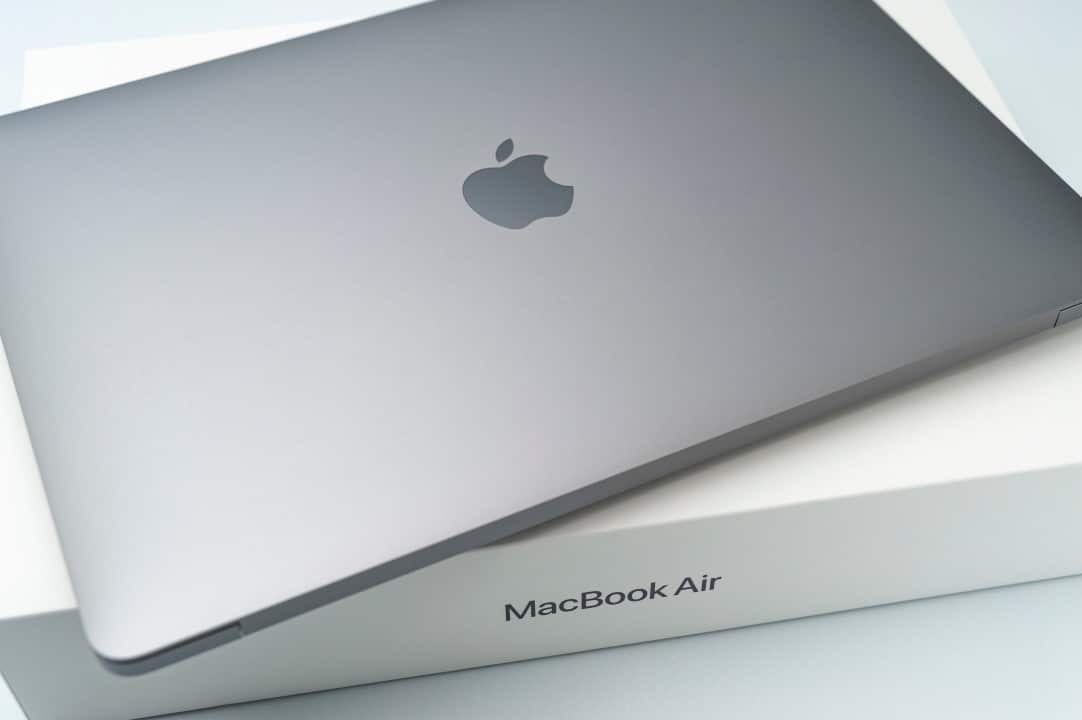
An affordable MacBook for the education sector
The highlight of Apple’s new strategy is the development of an entry-level MacBook, with an estimated price of between 700 and 800 dollars. The main objective of this model is to challenge the dominance of low-cost Chromebooks and Windows notebooks in the educational and corporate markets. Para reaches this price point, the company must simplify the design and use more economical components, without compromising the macOS ecosystem experience.
It is speculated that this notebook uses a simpler metal chassis and a 13-inch screen with more conventional technology instead of the high-resolution panels found in more expensive models. The processor could be a variant of the A18 Pro chip, the same expected for the iPhone 16 Pro, optimized for everyday tasks such as web browsing, document editing and video streaming.
| モデル | メインチップ | 画面 | 推定開始価格 (相当) | 主な対象者 |
|---|---|---|---|---|
| 低価格MacBook | A18プロ | 13インチ液晶 | 699-899 | 学生と基本的な使い方 |
| MacBook Air | M5 | 13インチまたは15インチRetina | 999 | プレミアムモバイルユーザー |
| 標準MacBook Pro | M5プロ/マックス | 14インチまたは16インチのミニLED | 1999-3499 | 中級者向け |
| MacBook Pro OLED | M6(予定) | 14インチまたは16インチのタッチOLED | 非開示 | 一流のクリエイター |
Connectivity can also be a point of simplification to reduce costs. It is likely that the model will have a limited number of USB-C ports, eliminating support for more expensive technologies such as Thunderbolt, present in the most advanced MacBooks. Essa approach will allow Apple to offer the macOS experience to a much wider audience.
Even with the simplifications, the existence of a MacBook in this price range could drastically expand the Apple’s user base. The initiative aims to attract consumers who previously opted for other brands due to cost, integrating them into the company’s ecosystem of services and products and strengthening its presence in a highly competitive market.
The performance leap of the MacBook Air with M5
The MacBook Air, known for its balance between portability and performance, will be one of the first to receive the new M5 chip. Fabricado with TSMC’s second-generation 3-nanometer (N3E) process, this processor promises a CPU performance increase of between 12% and 15% and a jump of up to 36% in graphics performance compared to the previous generation. Essa evolution will allow the notebook to perform light photo and video editing tasks with even more fluidity, in addition to offering a superior gaming experience. The design of the MacBook The improved energy efficiency of the M5 chip can also result in greater battery life, reinforcing one of the model’s main attractions. With these improvements, the MacBook Air M5 will consolidate itself as the ideal choice for those looking for a powerful and portable notebook for daily use, combining productivity and mobility effectively. The expectation is that the model will continue to be one of the best-selling in the line, attracting both new users and those looking to upgrade an older model.
The evolution of the Pro models with M5 Pro and M5 Max
For professionals who depend on maximum power, the Apple will update the 14-inch and 16-inch MacBook Pro with the M5 Pro and M5 Max chips. Essas versions of the processor are designed for intensive workloads such as 3D rendering, 8K video editing, code compilation, and complex audio processing.
The new chips should feature a greater number of CPU and GPU cores, as well as greater memory bandwidth. Isso will translate into significantly higher performance, enabling content creators and developers to work faster and more efficiently on their most demanding projects.
In addition to the processor upgrade, these models are expected to maintain the current design, which includes a wide range of ports such as HDMI, SD card reader and MagSafe. The Apple can offer configurations with more unified RAM and even faster SSD storage options, meeting the needs of a robust professional workflow.
The future with OLED screens and the M6 chip
Looking even further ahead, Apple is already planning a more substantial update to the MacBook Pro line, which will include the introduction of OLED screens. Essa technology, expected to arrive in future models, will offer superior contrast, true blacks and more vibrant, accurate colors compared to current Mini-LED technology, representing a significant leap in image quality.
The transition to OLED will primarily benefit photographers, video editors and graphic designers, who depend on extremely faithful color representation for their work. Improved visual accuracy and quality will deliver a more immersive and professional viewing experience, establishing the MacBook Pro as the go-to tool for creatives.
Keeping Up With New Screen Technology
These models with an OLED screen must be equipped with the next generation of processors, the M6 chip. Este processor will be optimized to manage the high-resolution display and new hardware capabilities, ensuring unprecedented graphics and processing performance. The design can also be refined, making the notebooks even thinner and lighter, approaching the aesthetics of the MacBook Air.
The combination of a cutting-edge OLED display with the power of the M6 chip will position the MacBook Pro as the undisputed leader in the high-performance notebook market. Essa innovation reinforces Apple’s commitment to providing the best tools for creative professionals and sets a new standard for the portable computer industry.
Strategy to diversify your portfolio
The launch of these four new products demonstrates a clear strategy by Apple to diversify its notebook portfolio. The company seeks to strengthen its position in the personal computer market, offering options that cater to consumers with limited budgets and professionals who do not compromise on maximum performance.
By introducing a more affordable MacBook, Apple aims to capture a share of the market that was previously dominated by other brands. Essa tactic allows more users to enter the company’s ecosystem, which can lead to the acquisition of other products and services in the future, increasing brand loyalty.
The impact of new processors
The M5 family of chips is the centerpiece of this renewal and represents a fundamental advancement for the Apple. TSMC’s move to a more advanced manufacturing process not only improves raw performance but also energy efficiency, a crucial factor in the user experience on notebooks.
This continuous evolution in proprietary silicon development ensures that macOS and applications optimized for the platform provide a fluid and responsive user experience. Enhanced integration with artificial intelligence and machine learning capabilities will also open doors to new functionality, such as smarter Siri and AI-assisted media editing.
Expectations for the release schedule
The launch schedule for the new MacBooks will be staggered. The first updated models, such as the MacBook Air with M5 chip and the 14-inch and 16-inch MacBook Pro with M5



