
Aurora borealis advances south due to intense solar storm recorded in early 2026 around the world

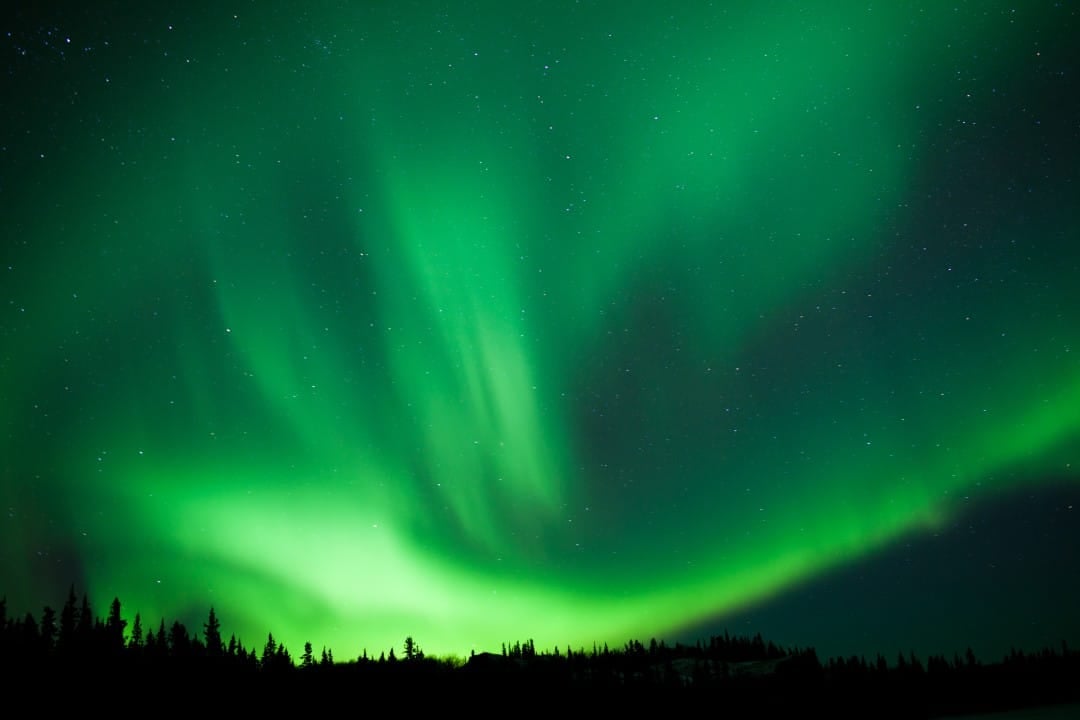
A strong G4 level geomagnetic storm hit Terra on January 19, 2026. The phenomenon resulted from a coronal mass ejection associated with an X1.9 class solar flare recorded the previous day. Centros international monitoring agencies issued warnings about possible interference in technological systems.
The event was classified as severe on the NOAA scale, which goes up to G5. Especialistas highlighted that this is one of the most intense storms in the last two decades. The interaction with the Earth’s magnetic field generated favorable conditions for the expansion of the aurora borealis.
- Interference with high-frequency radio communications affected some operations.
- Satellite navigation systems showed occasional instabilities in GPS.
- Electrical networks registered reinforced monitoring for induced currents.
The aurora borealis gained intensity and visibility at lower latitudes of Hemisfério Norte. Regiões in Estados Unidos, Europa and parts of Ásia have reported unusual sightings of the luminous phenomenon.
Origin of the solar storm
An X1.9 class solar flare occurred on January 18, 2026 in the active region of Sol. Essa explosion released a huge amount of energy and charged particles into space. The coronal mass ejection headed directly towards Terra.
The initial impact of the particle cloud happened on January 19th at around 19:38 UTC. Monitores of NOAA recorded the arrival of the magnetic shock shortly afterwards. The storm quickly evolved to G4 level.
Mechanism of the Northern Lights
High-energy solar particles collide with gases in Earth’s atmosphere during these events. Oxygen and nitrogen emit light when excited by these collisions. Cores greens, reds and purples dominate the visual spectacle.
Under normal conditions, the aurora borealis is restricted to regions close to the magnetic poles. Tempestades strong geomagnetics shift the auroral oval to lower latitudes. Isso allows observations in areas normally without the phenomenon.
The process involves the compression of the Earth’s magnetic field by the solar cloud. Linhas field reconnect and accelerate particles into the upper atmosphere. The intensity of the light depends on the strength of the storm.
Regions affected by increased visibility
Sightings of the aurora borealis have occurred in several northern states in the Estados Unidos. Locais as well as Colorado, Nova York and even Kansas recorded the phenomenon after local sunset. Observadores reported intense glows on the northern horizon.
In Europa, countries such as Portugal, Alemanha and Irlanda had rare records. Cidades in northern Portugal, including Bragança and Vila Pouca of Aguiar, captured images of the colorful sky. Regiões hubs like Coimbra also reported visibility.
Parts of Escandinávia and Reino Unido showed particularly strong auroras. Finlândia, Noruega and Suécia maintained ideal observation conditions during the night. Fotografias professionals highlighted complete auroral coronas.
Some areas of the northern Ásia also detected the phenomenon. However, clouds and light pollution have limited sightings in larger urban centers.
Registered technological impacts
High-frequency radio communications have suffered significant interference on polar routes. Operadores of aviation adjusted procedures on transpolar flights. The S4 solar radiation storm increased risks for crews at high altitudes.
GPS systems have experienced temporary reductions in accuracy in some regions. Usuários navigation satellite noticed small variations in positioning. Empresas transport monitored the effects in real time.
Electrical distribution networks reinforced protection protocols. Correntes induced geomagnetic waves can cause overloads in transformers. Operadores in Hemisfério Norte countries maintained continuous surveillance during the height of the storm.
Satellites in low orbit have faced greater atmospheric drag due to the expansion of the thermosphere. Agências spaces adjusted the trajectories of some equipment. Não there were reports of serious damage to orbital infrastructure.
Context of the current solar cycle
The Sol has been going through cycle 25 of magnetic activity since 2019.
Active regions like AR4341 have produced multiple high-energy flares in recent months. Manchas solar complexes increase the probability of events directed at Terra. Continuous Monitoramento allows predictions days in advance.
Similar events occurred in previous years of the current cycle. The May 2024 storm reached G5 level and generated intense global auroras. Comparações show that the January 2026 episode maintained comparable strength in many respects.
International Space Weather Monitoring
NOAA operates Centro of Previsão of Clima Espacial in the Estados Unidos. The agency issues geomagnetic and solar radiation alerts on a global scale. Dados in real time guide industries sensitive to spatial variations.
European agencies collaborate through ESA’s space weather service. Observatórios terrestrial and space solar complement the information. Satélites like SOHO and Parker Solar Probe provide direct images of Sol.
Countries with critical infrastructure maintain teams dedicated to the topic. Coordenação international avoids major impacts on communications and energy. Atualizações constants reach network operators across the planet.
The January event reinforced the need for investments in spatial forecasting. Tecnologias mitigations evolve to protect modern systems. Observações continuations of Sol remain essential for technological security.
Safe observation of the phenomenon
Those interested in the aurora borealis should look for places with dark skies and a clear northern horizon. Horários between 10pm and 2am local offers the best chances during active thunderstorms. Aplicativos of auroral forecast help in choosing the ideal moment.
Long exposure photography equipment captures details invisible to the naked eye. Tripés and sensitive cameras record intense colors even in moderate conditions. Observadores wear clothing suitable for cold nights in northern regions.
The phenomenon does not present a direct risk to human health on the ground. Partículas energy dissipates in the upper atmosphere without reaching the surface. Apreciação visual remains safe for all audiences.
Predictions for future solar activity
Experts expect intense events to continue throughout 2026. The gradual decline of cycle 25 should begin after the current peak. Daily Monitoramento indicates possible new ejections in the coming days.
Remaining active regions in Sol can still generate significant flares. Long-term Previsões points to gradual reduction until solar minimum. Ciclos following will maintain patterns of approximately 11 years.
Advances in computer modeling improve the accuracy of alerts. Global Colaborações expands observation coverage. The scientific community follows constant developments in the heliosphere.
The January 2026 storm highlighted the interconnection between Sol and Terra. Fenômenos space continues to influence everyday technologies. Permanent Vigilância protects essential infrastructure on a planetary scale.



