
Battle of smartwatches: Amazfit Bip 6 and Redmi Watch 5 face off with AMOLED screen and long battery life

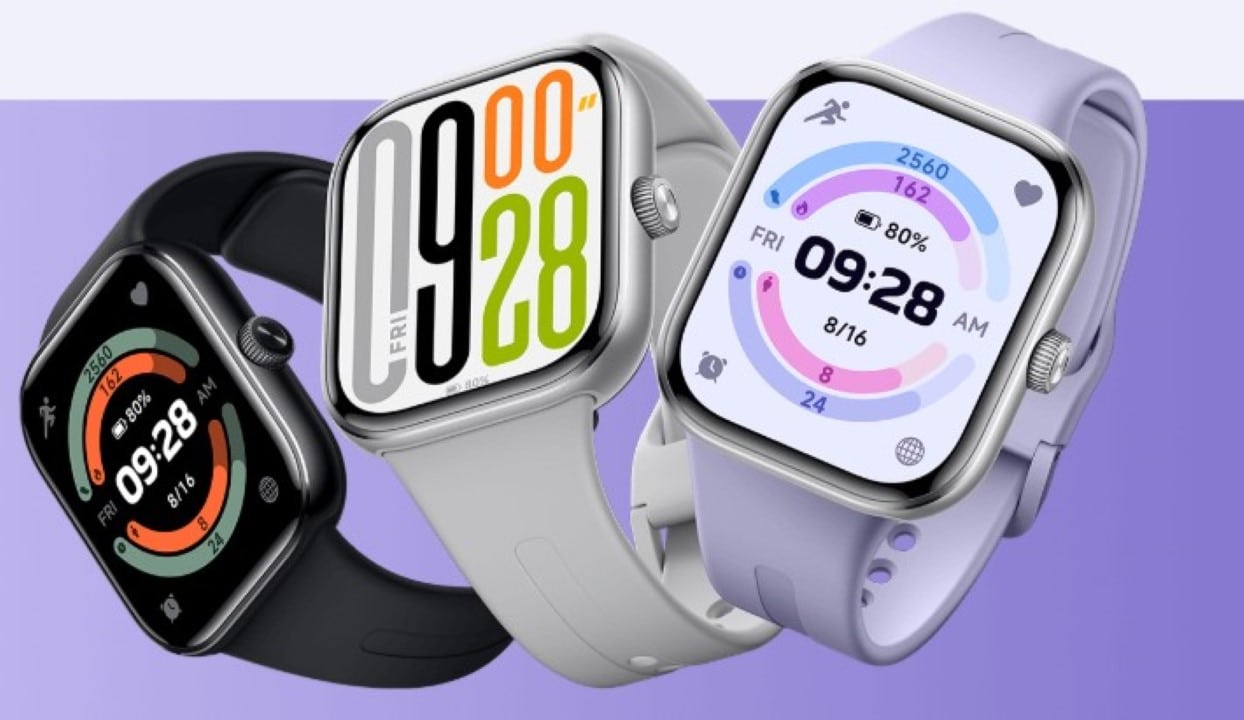
The entry-level smartwatch market is experiencing intense competition, with consumers looking for devices that combine advanced features and affordable prices. In the Nesse scenario, two models stand out as protagonists: the Redmi Watch 5, from the Xiaomi, and the Amazfit Bip 6.
The rivalry between the two devices goes deeper into the details. Enquanto share a robust feature base, such as integrated GPS and multiple sports modes, the subtle differences in battery life, accuracy of health sensors and integration with applications from their respective ecosystems are the factors that define consumer choice. The final decision comes down to each user’s individual priorities, whether it’s the convenience of less frequent refills or the depth of wellness data.
This dispute reflects the evolution of the wearable segment, where technologies that were previously exclusive to high-end models are now becoming standard in more competitive price ranges. The Tanto to
Modern look and construction focused on daily comfort
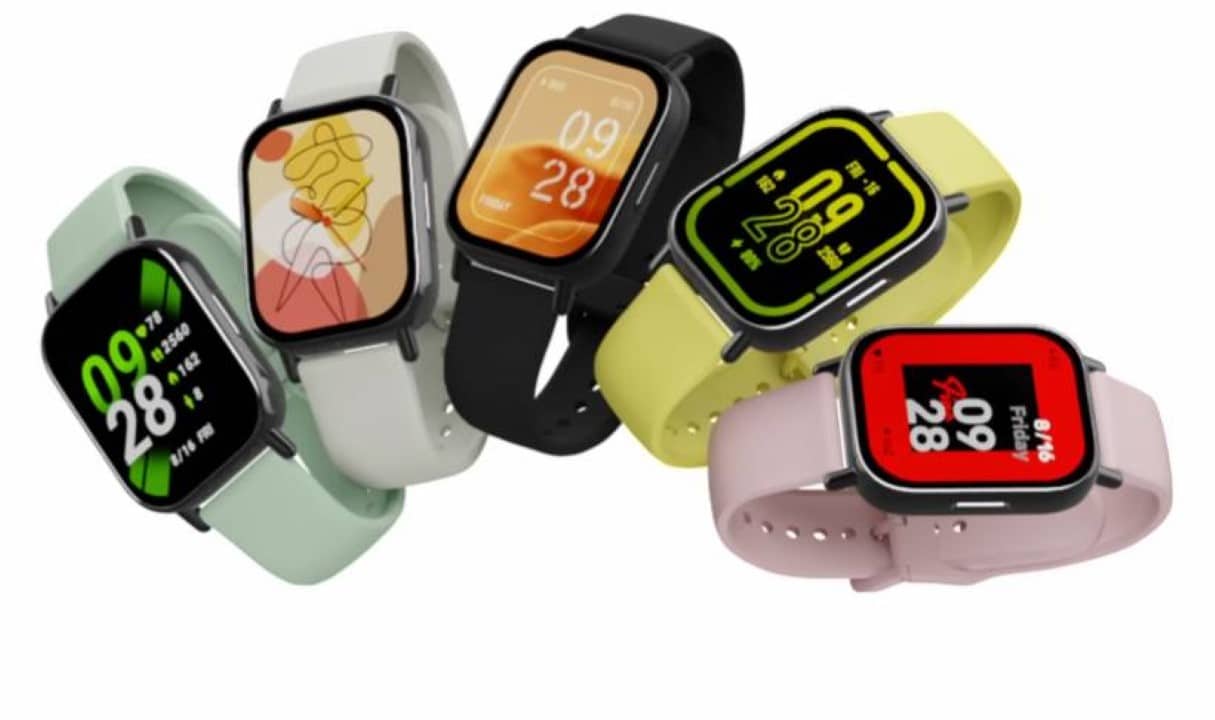
In terms of design, the Redmi Watch 5 features a rectangular case made of aluminum alloy, which provides lightness and a feeling of durability at the same time. Seus Rounded corners and a refined finish ensure an elegant appearance, while the silicone strap is designed to provide long-lasting comfort, even during intense physical activity or while sleeping. Navigation is facilitated by a single side button, which complements the touch interface.
The Amazfit Bip 6 takes a similar design approach, with a square body and thin bezels that optimize screen usage. Sua construction also uses lightweight materials so as not to weigh down the wrist, but the rubberized strap has a distinct texture, which offers greater grip, especially in sweaty situations. Ambos the models prioritize ergonomics and water resistance of up to 5 ATM, which makes them suitable for swimming in shallow waters and safe against rain, making the choice a matter of personal aesthetic preference.
High-definition AMOLED screens dictate the user experience
The quality of the display is one of the high points in both watches. The Redmi Watch 5 stands out with a 2.07-inch AMOLED screen, one of the largest in its category, with a resolution of 432 x 514 pixels. Isso results in sharp images, vibrant colors and an intense brightness that ensures excellent visibility even in direct sunlight. The optimized operating system ensures that animations and transitions between menus are fluid, contributing to an agile and pleasant user experience.
In turn, the Amazfit Bip 6 is equipped with a 1.97-inch AMOLED panel, which also delivers impressive contrast and vivid colors, characteristics of the technology. The Zepp OS system, known for its energy efficiency, manages the display intelligently, maintaining touch responsiveness without compromising the battery. The system interface is designed to be intuitive, displaying information in a clear and organized way, facilitating quick consultation of health data and notifications.
Both devices support a wide range of customizable watch faces, allowing the user to adapt the look of the device to their style. Além In addition, they have a refresh rate of 60 Hz for smooth movements and tempered glass to protect against scratches, raising the quality standard for the entry-level segment.
The decisive dispute for greater battery life
One of the most important battlegrounds among smartwatches is battery life, and here the Redmi Watch 5 takes a notable lead. Equipado with a 550 mAh cell, the device promises an impressive autonomy of up to 24 days in a typical usage scenario and around 18 days with the screen always on and constant monitoring. Essa exceptional performance is a great attraction for users who want the convenience of not having to worry about frequent recharges, keeping the watch functional for weeks. The Amazfit Bip 6, with its 340 mAh battery, offers competitive autonomy, reaching up to 14 days of moderate use, including continuous monitoring and sporadic use of GPS. Zepp OS optimization plays a crucial role in extracting maximum energy efficiency. Embora its numbers are lower than those of the competitor, its duration still exceeds that of many other models on the market. Full charging of both watches takes approximately two hours via magnetic bases, a practical and modern standard.
Advanced sensors for detailed health monitoring
In terms of health monitoring, both watches are equipped with the BioTracker sensor, capable of measuring heart rate continuously, 24 hours a day, and issuing alerts if abnormal rhythms are detected. Essa functionality is essential for monitoring general well-being and for early identification of possible cardiac irregularities.
The Amazfit Bip 6, however, benefits from advanced algorithms developed by the Zepp Health, which translates into greater consistency and accuracy in measuring other vital signs. Blood oxygen level monitoring (SpO2) and detailed analysis of the different sleep phases (light, deep and REM) are presented in great detail in the application, providing valuable insights to improve quality of life.
The Redmi Watch 5 also offers a complete tracking suite, including SpO2 measurement and stress analysis, with all data clearly consolidated in the Mi Fitness app. The accuracy of its sensors is sufficient for most users, although technical comparisons indicate a slight advantage for the Bip 6 during high-intensity physical activities, where heart rate variations are more abrupt.
Both devices complement their features with menstrual cycle tracking, breathing exercises for stress management and a health assessment system that converts all data into a single score, making it easier to understand the user’s general health status.
Sports features and the precision of integrated GPS
For fitness enthusiasts, both the Redmi Watch 5 and Amazfit Bip 6 are powerful tools. Eles offer more than 140 training modes, covering a wide range of sports, from running and cycling to swimming and yoga. Automatic recognition of certain activities, such as walking and running, adds a layer of convenience, initiating tracking without the need for manual intervention. The integrated GPS with dual frequency support on both models ensures accurate and fast route tracking, allowing users to leave their smartphone at home during outdoor workouts.
The Amazfit Bip 6 sets itself apart by offering more advanced features for serious athletes, like the ability to import routes and download maps for offline navigation right on your wrist. Além In addition, the Zepp app provides more in-depth training reports, with metrics such as VO2 max, training load and recovery time, in addition to the exclusive PAI score, which assesses the impact of physical activity on cardiovascular health. The Redmi Watch 5, in turn, focuses on a visually rich and easy-to-understand user experience, presenting post-workout statistics in a clear and encouraging way. Sua syncing with third-party apps like Strava is fast and efficient, ensuring data is easily shared across other platforms.
Connectivity and application ecosystem
Smartphone integration is a cornerstone of the smartwatch experience. The Redmi Watch 5 uses the Mi Fitness application to synchronize data, an intuitive platform well integrated into the Xiaomi product ecosystem. Ele reliably displays notifications and allows you to answer calls via Bluetooth, but has limitations on interaction, not allowing direct responses to messages. In contrast, Amazfit Bip 6 connects to Zepp App, an app praised for its detailed reports and long-term tracking charts. The Seu operating system allows for a more complete interaction with notifications, offering the possibility of responding to messages with pre-defined texts or even with a mini on-screen keyboard, in addition to having integration with the Alexa voice assistant in selected versions.
Cost-benefit analysis and market positioning
In the Brazilian market, both models are positioned very competitively. The Redmi Watch 5 can be found in promotions starting at R$500, while the Amazfit Bip 6 is generally in the range of R$579 to R$650.
Both devices deliver exceptional value for their price range, offering features that until recently were only found in considerably more expensive models. Wide availability across multiple e-commerce platforms facilitates access and ensures consumers can choose the model that best suits their lifestyle and monitoring needs, whether focusing on the Redmi’s extended battery or the Amazfit’s advanced health features.



