
Expert reveals safe steps to start physical activity from scratch and avoid common injuries

Many adults decide to start physical activity at the beginning of the year motivated by health and well-being goals. Personal trainer André Albuquerque, master of Educação Física and consultant at Probiótica, emphasizes that the process can be simple when followed safely. Ele warns that initial excesses represent the main risk for early withdrawals.
The first 30 days focus on your body adapting to regular movement. Short and frequent Sessões build a solid foundation without overload. Resultados how greater disposition and better quality of sleep appear quickly when the intensity remains controlled.
Organização Mundial of Saúde recommends at least 150 minutes of moderate activity per week for adults. Essa goal is achieved progressively by beginners. Especialistas reinforce that constancy prevails over high initial volume.
Frequent mistakes that keep beginners away from training
Beginners often overindulge when trying to compensate for sedentary time with intense sessions. Essa approach increases the risk of muscle and joint injuries in addition to generating unnecessary fatigue. Profissionais observe that persistent pain leads many to abandon the practice in the first few weeks.
Another mistake involves ignoring correct movement technique. Execuções Inadequate conditions concentrate effort on the wrong structures and cause tendonitis or strains. Orientação professional helps correct postures from the beginning.
Comparisons with experienced practitioners also harm the process. Cada person has unique conditioning and individual progression. Metas unrealistic social networks reduce motivation by not being achieved quickly.

Initial assessment and essential preparation
Prior medical consultation identifies conditions that require special care before starting exercise. Exames cardiologists detect limitations and guarantee safety, especially for prolonged sedentary people. Profissionais of physical education complement this stage with assessments of mobility and strength.
Proper warm-up prepares muscles and joints for exertion. Sequências simple exercises lasting five to ten minutes raise body temperature and reduce the risk of injury. Alongamentos dynamics are part of this initial phase.
Choosing appropriate footwear directly influences the execution of movements. Modelos with adequate cushioning absorb impacts in activities such as walking or light running. Investimento in this area prevents knee and ankle problems.
Activities recommended for the first weeks
Brisk walking emerges as an accessible and effective option for beginners. Sessões 30 minutes two to three times a week promote cardiovascular adaptation without overload. Ritmo moderate allows conversation during exercise.
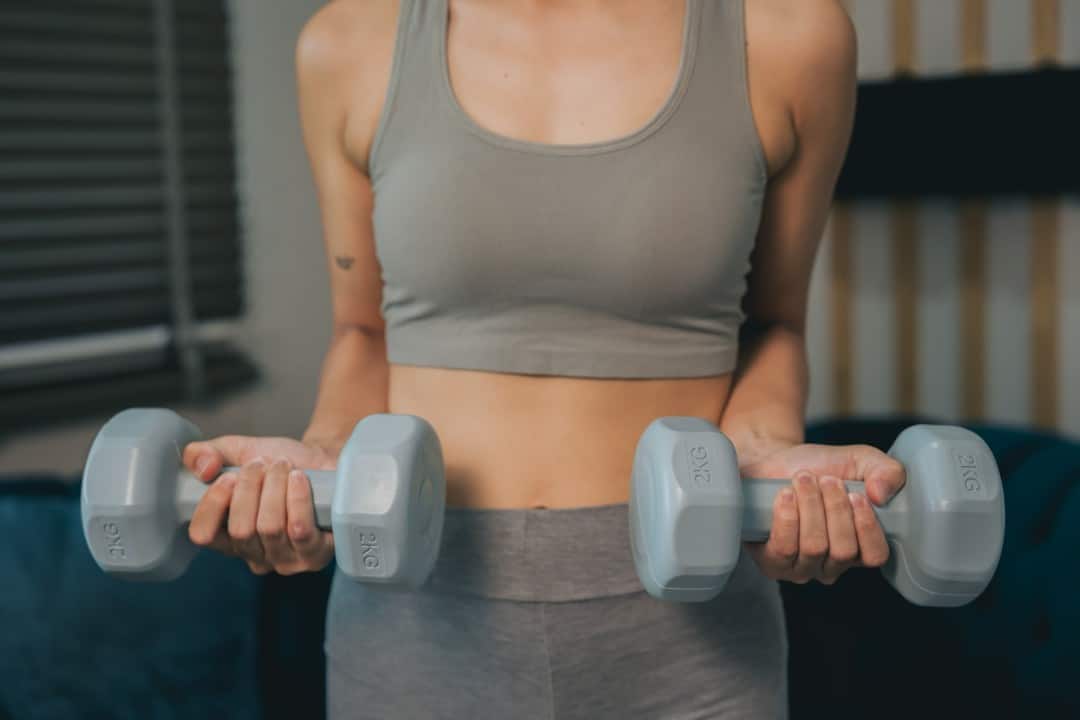
Bodybuilding with light loads strengthens main muscle groups. Exercícios basics like bodyweight squats and adapted pushups build functional strength. Foco in correct execution prevails over volume of repetitions.
- Walking or light jogging alternated with breaks
- Strengthening exercises like planks and chin-ups
- Gentle stretches to improve mobility
- Home activities such as controlled stair climbing
Swimming or water aerobics offer low impact on joints. Essas modalities work resistance and strength in an integrated way. Acesso swimming pools make it easier to include in your weekly routine.
Gradual progression and intensity control
First sessions last a maximum of 40 minutes with rest breaks. Aumento gradual in time or intensity occurs after complete adaptation. Monitoramento of heart rate helps control effort.
Recovery days are part of mandatory weekly planning. Músculos strengthen during adequate rest. Ignorar this phase increases the risk of overtraining and accumulated fatigue.
- Start with two 30-minute sessions per week
- Increase to three sessions after two weeks
- Include a day of light activity like walking
- Maintain at least two full days of rest
Benefits observed in the initial stages
Regular practice improves sleep quality from the first few weeks. Corpo regulates circadian cycles more efficiently. Disposição daily increases progressively with the established routine.
Joint mobility gains amplitude with consistent movements. Atividades simple ones restore natural patterns of posture and balance. Redução of chronic pain related to a sedentary lifestyle occurs in many cases.
Mental health directly benefits from the release of endorphins. Humor stabilizes and stress levels decrease noticeably. Esses effects reinforce adherence to the newly created habit.
Strategies to maintain consistency in the long term
Setting realistic goals aligns expectations with actual progress. Objetivos small weekly accumulate visible achievements. Registro of evolutions motivates continuity of the process.
Training close to home or work makes it easier to include in your daily routine. Fixed Horários transform practice into an automatic habit. Flexibilidade moderate adjusts for unforeseen events without total interruption.
Personalized professional support accelerates safe results. Ajustes periodic planning addresses individual developments. Constant Feedback corrects deviations before they become problems.
Suggested routines for different profiles
People with a long sedentary history start with light walks three times a week. Initial Duração of 20 minutes gradually increases. Inclusão of body strengthening occurs after one month of adaptation.
Professionals with busy routines opt for short morning sessions. Exercícios at home with body weight meets time constraints. Combinação strength and aerobic balance weekly benefits.
Elderly people or those with restrictions prioritize supervised low-impact movements. Hidroginástica or adapted pilates strengthen without overloading joints. Progressão slowly respects specific limitations of each age group.
Integration of nutrition and proper recovery
Constant hydration supports performance during sessions. Ingestão of water before, during and after exercise maintains optimized bodily functions. Alimentos rich in proteins help muscle recovery.
Quality sleep completes the physical adaptation cycle. Horas consolidate gains obtained in training. Rotina regular nighttime enhances the effects of daily practice.
Targeted supplementation complements specific needs when indicated. Consulta with a sports nutritionist defines individual protocols. Abordagem balanced avoids unnecessary excesses.




