IPhone 18 Pro models could eliminate Dynamic Island with new screen technology, rumors say

New information from the Apple supply chain signals that the iPhone 18 line, scheduled for 2026, will maintain the screen sizes of the previous generation. The stability in dimensions, however, can be accompanied by one of the most significant changes to the front design in recent years, focused exclusively on the most advanced models in the family.
The main expected change directly affects the Dynamic Island, the interactive cutout that houses the front camera and sensors of the Face ID. Rumores consistent points out that the Pro and Pro Max versions of the iPhone 18 should adopt sensor technology under the screen, which would allow it to drastically reduce or even eliminate the current pill-shaped structure.
This technological evolution reinforces Apple’s strategy of segmenting its innovations, reserving the most notable aesthetic advances for premium devices. Enquanto Therefore, the entry-level models in the series must inherit the already consolidated design, ensuring clear differentiation between product categories and encouraging upgrades for consumers seeking the latest design trends.
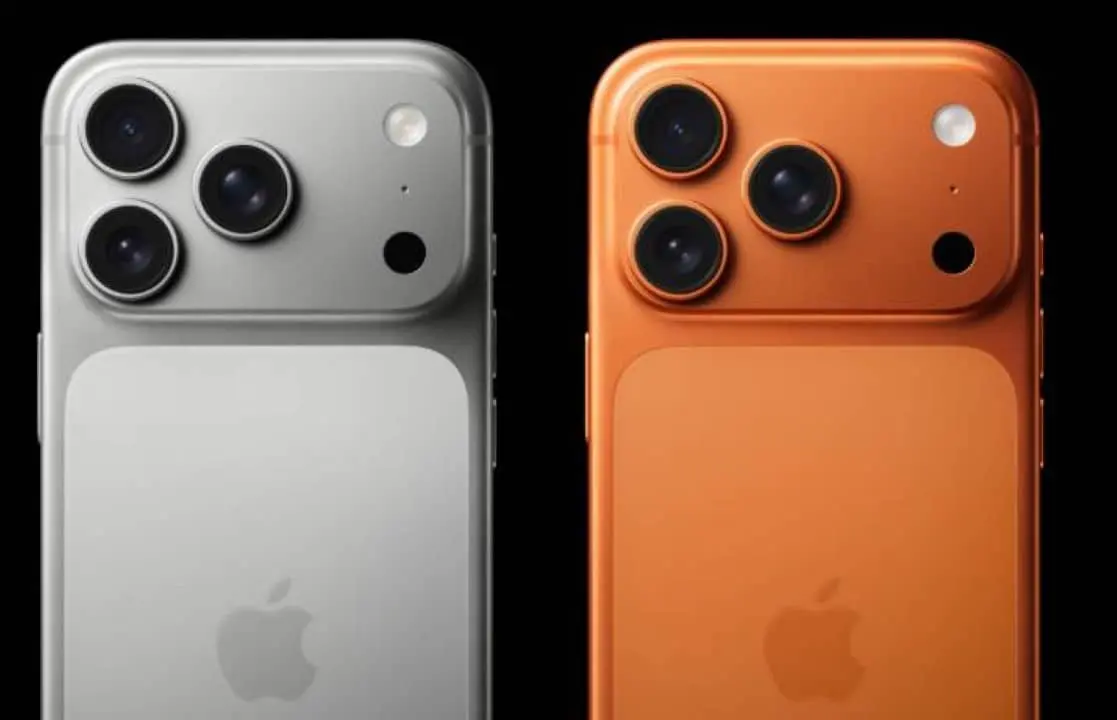
Innovation reserved for models Pro
The differentiation between the Pro models and the standard ones should become even more pronounced with the arrival of the iPhone 18. The implementation of the Face ID technology under the display is a technical milestone that the Apple seems to be preparing to justify the premium status of its most expensive devices. The change would result in a much cleaner and more immersive look, possibly leaving only a small circular hole for the front camera, similar to what is already seen in many competitors in the Android ecosystem. Essa transition is not just aesthetic; it represents a complex engineering challenge, which requires the creation of OLED panels capable of allowing the passage of infrared light to biometric sensors without compromising the security and accuracy of facial recognition, one of the brand’s security signatures. The success of this implementation may finally resolve some users’ criticisms about the Dynamic Island obstructing content, especially when consuming videos or playing games in landscape mode, offering a nearly uninterrupted full-screen experience.
More on this story: Liquid glass screen will be featured on the iPhone 19 Pro in 2027
Continuity for standard and Air models
While the Pro models prepare for a revolution in front design, the standard iPhone 18 and the rumored iPhone Air 2 should maintain familiarity. Para these devices, Apple plans to preserve the Dynamic Island in its current format. Essa approach ensures that interactive functionality, which integrates alerts and real-time activity into the screen snip, remains accessible to a broader user base.
The decision to maintain existing technology in the most accessible models is aligned with the strategy of cost containment and maturation of new technologies. The company traditionally introduces cutting-edge features in Pro versions before democratizing them to the rest of the line in future generations, allowing it to optimize production and ensure the stability of the new component before a mass implementation.
The technology behind the cutout-free display
The transition to an under-screen Face ID system depends on significant advancements in OLED panels. Apple suppliers, such as Samsung Display and LG Display, are working on materials and pixel structures that increase light transmittance in the sensor region. The challenge is to ensure that the biometric system works with the same speed and reliability as the current one, without being affected by the layer of pixels that covers it. Qualquer failure in accuracy could compromise one of the security pillars of the iOS ecosystem.
Learn more: New Apple smartphone hits the market with 5.5 mm and liquid glass screen
At the same time, the entire iPhone 18 line should be equipped with LTPO (Low-Temperature Polycrystalline Oxide) technology displays. Esse feature allows for a variable refresh rate, which can range from 1 Hz to 120 Hz, known as ProMotion. The ability to reduce the screen frequency to display static content, as in Always-On mode, results in substantial battery savings, while the maximum rate ensures extreme fluidity in animations, games and operating system navigation.
Detailed screen specifications
According to the leaked information, the iPhone 18 Pro will feature a 6.27-inch display, integrating the new sensor configuration under the screen for a cleaner look.
The most advanced model, the iPhone 18 Pro Max, should feature a 6.86-inch screen, the largest in the line, also benefiting from technology that reduces the front cutout.
See Also


In turn, the standard iPhone 18 will have the same screen size as its brother Pro, at 6.27 inches, but will maintain the conventional Dynamic Island, already known to users.
The line would be completed by the iPhone Air 2, with a 6.55-inch screen, positioning itself as a larger alternative to the entry-level model, but also with the current design of the Dynamic Island.
On the same topic: Apple plans to integrate 120Hz ProMotion display into the entry-level iPhone 19e model in 2028
Apple strategy and market scenario
By adopting a discreet hole for the camera in the Pro models, the Apple aligns with a design trend already consolidated in the high-end smartphone market. Essa movement is crucial to maintain the aesthetic competitiveness of your products and meet the demand for devices with maximum screen use.
A clear segmentation strategy between the Pro and non-Pro lines is a powerful sales driver. By reserving the greatest visual innovation for the most expensive models, the company creates a strong upgrade appeal, attracting consumers who value not only performance, but also the most modern design available.
A practical point favorable to consumers is the maintenance of screen sizes. Isso suggests that the overall dimensions of the devices will remain practically unchanged, ensuring compatibility with previous generation accessories, such as covers and protective films, which facilitates the device upgrade process.
The evolution of the iPhone’s front design
The front design of iPhones has been a field of constant evolution. The journey began with the controversial but iconic notch introduced on the iPhone The expected transition to under-screen sensors in the 2026 Pro models represents the next logical step in the company’s quest for a device that is truly a single piece of smart glass.
More on this story: Apple develops borderless liquid glass display for iPhone commemorative edition in 2027
What to expect from the official launch
It is essential to note that all this information is based on preliminary reports from the production chain. Embora leaks about Apple plans tend to have a high degree of accuracy, design changes can still occur until mass manufacturing begins.
Official confirmation of all details will only take place at the company’s launch event, traditionally scheduled for September. Até there, the market will continue to closely monitor any new clues about the specifications and design of the next generation of Apple smartphones.