
Strong solar storm G4 hits the planet and causes visible auroras in new regions on January 20

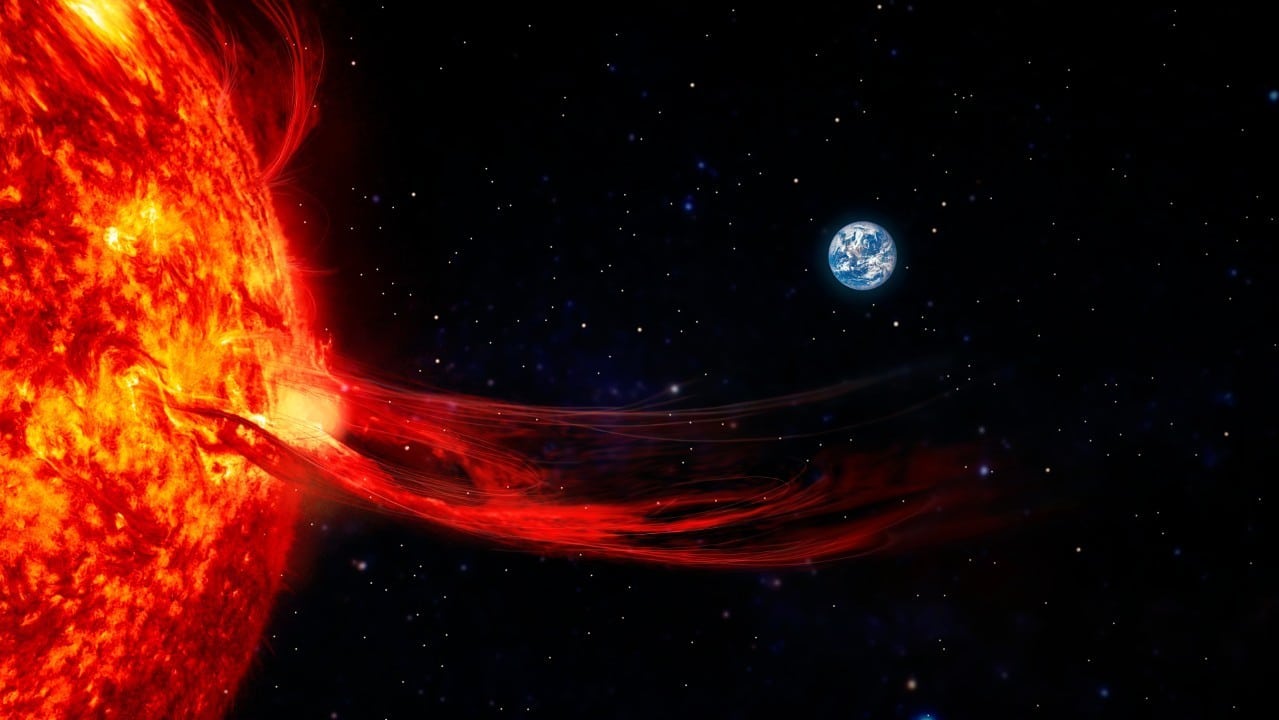
A powerful coronal mass ejection (CME) from Sol is on a collision course with Terra, prompting NOAA’s Centro of Previsão of Clima Espacial (SWPC) to issue a G4 (severe) geomagnetic storm warning for January 20. The phenomenon has the potential to cause significant disruption to technology systems and expand the visibility of auroras to lower latitudes than usual.
The origin of the event was an intense X1.9 class solar flare, recorded on January 18. Essa eruption, classified as R3 (strong), occurred in active region 4341, an area with unstable magnetic fields located strategically close to the center of the solar disk. Essa position drastically increased the probability of a direct and geoeffective impact on the Earth’s magnetic field.
Experts monitor the cloud of charged particles and predict that the first effects may be felt at the end of January 19th, with maximum intensity occurring throughout the 20th.
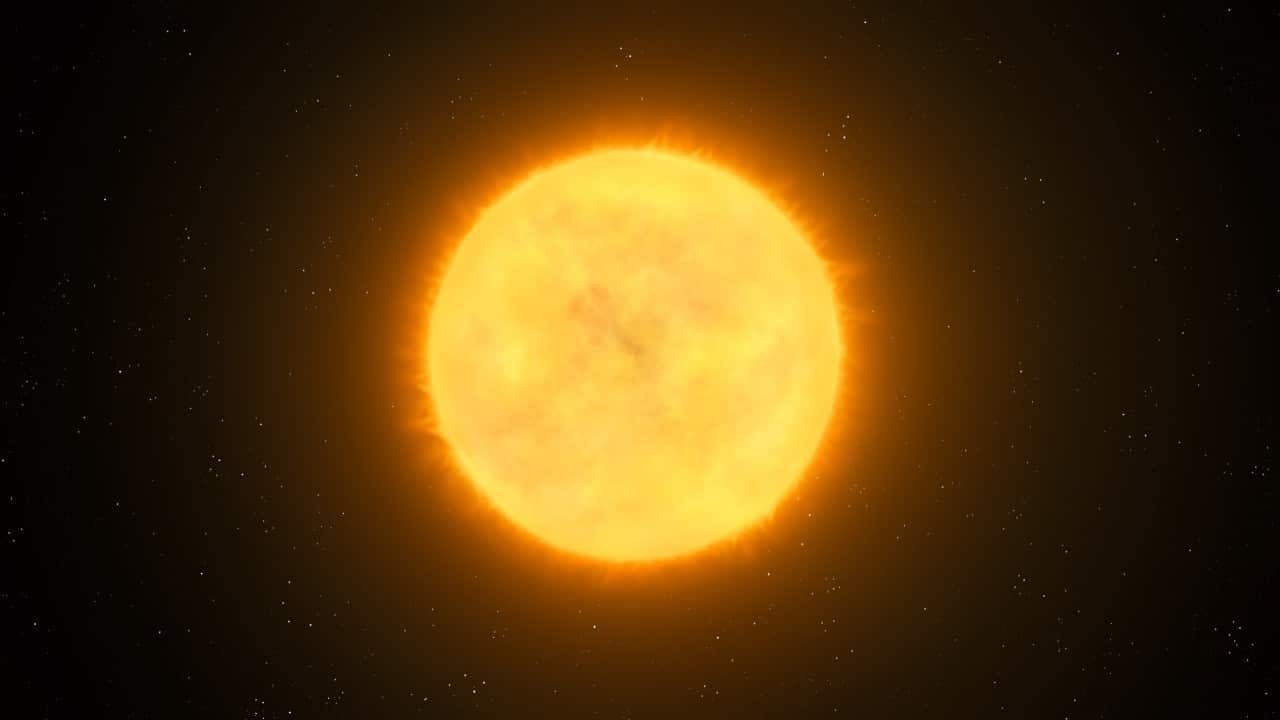
The origin and trajectory of the solar phenomenon
Solar flares are classified on a letter system, with class X being the most powerful. The X1.9-class event that triggered the current storm was strong enough to cause high-frequency (HF) radio blackouts in areas of the planet that were illuminated by Sol at the time of the explosion, temporarily affecting air and emergency communications.
Active region 4341, where the CME originated, is a complex sunspot. Sua’s near-central location on the solar disk, from Terra’s point of view, ensured that the ejected plasma mass traveled on a direct trajectory toward our planet, rather than dispersing in other directions into space.
A coronal mass ejection is a massive release of plasma and magnetic field from the solar corona. Quando this cloud of energetic material interacts with the magnetosphere of Terra, it compresses it and transfers energy, generating geomagnetic storms that can have both visual and technological effects.
This event falls within the context of Ciclo Solar 25, which reached its peak of activity in 2025 and continues to produce intense phenomena. Durante solar maximum, the frequency of complex sunspots, flares, and geoeffective CMEs increases considerably, making space weather monitoring a crucial activity.
The risks for technological infrastructure
G4-level geomagnetic storms pose a severe threat to electrical power grids, especially at high latitudes. The storm’s interaction with Terra’s magnetic field can generate geomagnetically induced currents (GICs) in long-distance transmission lines. Essas currents can overload transformers, causing permanent damage or forcing operators to implement preventative shutdowns to protect the grid, resulting in possible blackouts.
The space sector also faces high risks. Satélites in low orbit from Terra experience increased atmospheric drag as the upper atmosphere heats and expands, which can alter their orbits and require course corrections to avoid collisions. Além Additionally, electronics onboard satellites are vulnerable to damage from high-energy particles, and global navigation systems such as GPS can suffer signal degradation, affecting positioning accuracy for aviation, marine navigation and everyday applications.
Understanding NOAA’s Geomagnetic Storm Scale
The Administração Nacional Oceânica and Atmosférica (NOAA) classify the intensity of geomagnetic storms on a scale ranging from G1 (minor) to G5 (extreme), facilitating communication about possible effects. A G1 event could cause weak fluctuations in the power grid and have a minor impact on satellite operations, with auroras visible at high latitudes, such as at Alasca and north of Canadá. Conforme the scale advances to G2 (moderate) and G3 (strong), the impacts become more widespread, requiring corrective actions from network operators and affecting satellite navigation. The G4 storm, classified as severe, indicates widespread voltage control problems in the power grid, interruptions in radio communications and significant degradation of GPS signals for hours. The highest level, G5 (extreme), like the famous Evento of Carrington of 1859, has the potential to cause electrical grid collapses and widespread damage to transformers and satellites.
The spectacle of auroras in unusual latitudes
One of the most beautiful effects of a strong geomagnetic storm is the expansion of the auroral oval. Under normal conditions, the northern lights (in the north) and southern lights (in the south) are restricted to the polar regions. Durante a G4 event, this display zone expands dramatically to mid-latitudes.
This means that the luminous phenomenon can be observed in places far south of its usual range. Nos Estados Unidos, for example, there is potential visibility in states like Oregon, Illinois and even Pensilvânia. Observation depends on local conditions, such as clear skies and absence of light pollution.
At Hemisfério Sul, a similar pattern occurs with the aurora australis. Regiões as well as Tasmânia in Austrália, southern Nova Zelândia and parts of Chile and Argentina can witness the spectacle of dancing lights in the sky, a rare phenomenon for these locations.
How space agencies monitor the threat
Continuous monitoring of space weather is carried out by a network of ground-based observatories and strategically positioned satellites. Instrumentos aboard satellites such as DSCOVR (Deep
Globally activated security protocols
In light of the G4 alert, critical infrastructure operators around the world activate mitigation protocols. Electrical utilities closely monitor currents in transmission lines and can reduce load or redirect the flow of power to prevent damage to critical equipment such as large transformers.
Space agencies and commercial satellite operators can put their equipment into “safe mode,” turning off non-essential electronic components to protect them from radiation. Manobras orbitals can be planned to adjust the altitude of satellites in low orbit and compensate for increased atmospheric drag.
Forecasts and continuous updates
Space weather predictions are a dynamic process, and the actual intensity of the CME impact may vary. NOAA’s SWPC provides constant updates as the plasma cloud approaches and data from monitoring satellites becomes more accurate, allowing affected sectors to adjust their responses.
Experts’ confidence in the event’s occurrence is high, but the exact intensity and duration of the disturbances will only be fully known when the storm begins to interact with the Earth’s magnetosphere. The public and industries are advised to follow official channels for the latest information.



