
US Congress begins movement to block Trump’s tariffs against European allies in the dispute over Greenland

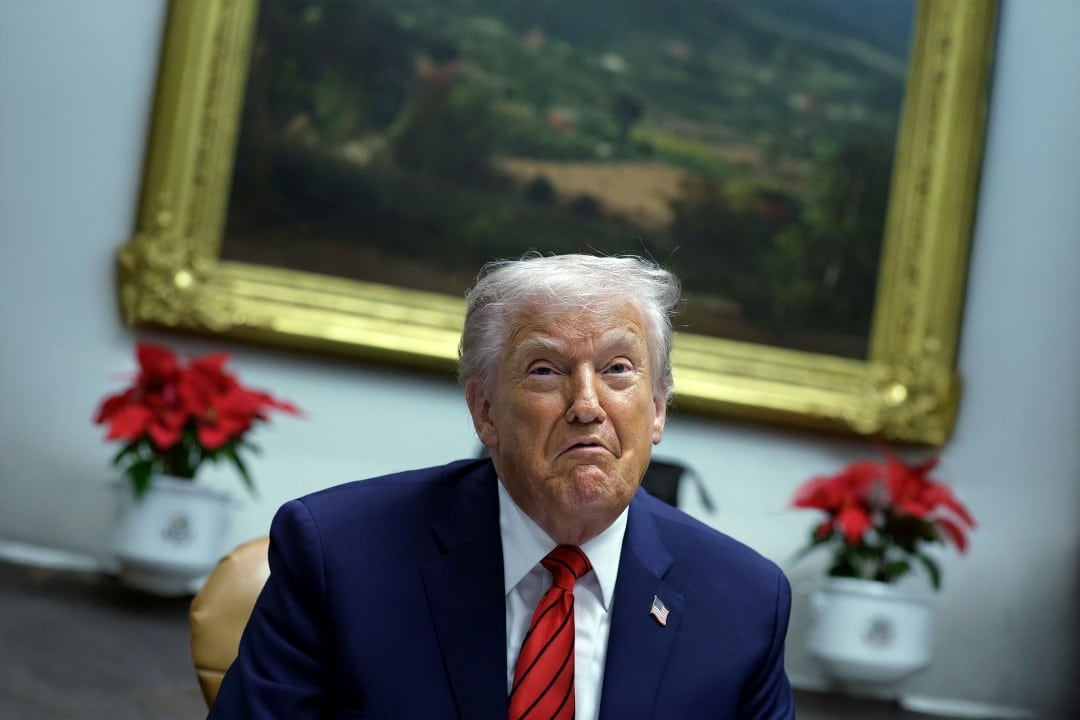
Estados Unidos parliamentarians, led by Democrats and with initial support from some Republicans, announced legislative measures to prevent the imposition of tariffs threatened by President Donald Trump against eight European countries. The tariffs, of 10% starting on February 1st and potentially reaching 25% in June, were announced as a response to the opposition of these allies to the American proposal for the total purchase of Groenlândia. The initiative takes place on Washington, this Monday, January 20, 2026, amid growing tensions in Ártico and concerns about the unity of Otan.
The proposed joint resolution, based on Lei of Poderes Econômicos of Emergência Internacional, would require approval in both houses of Congresso to block the tariffs. However, a presidential veto could be applied, requiring a two-thirds majority to be overturned.
- Affected countries include Dinamarca, Reino Unido, Alemanha, França, Noruega, Suécia,
- The threat arose after European military exercises in Groenlândia and visits by delegations to the territory.
Democratic initiatives in Senado and Câmara
Senator Peter Welch, Democrat for Vermont, revealed plans to introduce a resolution of disapproval aimed directly at the tariffs announced by Trump over the weekend. Essa measure seeks to suspend rates before they come into force, highlighting risks to the transatlantic alliance. Welch emphasized that the presidential action ignores the historic US support for Danish sovereignty in Groenlândia.
In Câmara of Representantes, deputy Gregory Meeks, top Democrat in Comissão of Ele argued that tariffs harm American companies and weaken the US position in Ártico. Meeks coordinates efforts with other Democratic leaders to speed up voting.
The minority leader in Senado, Chuck Schumer, indicated that the party is preparing a bill with binding force to end the tariff threats. Essa approach seeks greater legal protection against unilateral executive actions.
Republican positions and internal divisions
Some Republican senators have expressed public criticism of the tariffs, marking a rare departure from Trump on foreign policy issues. Senator Thom Tillis, from Carolina from Norte, classified the measure as harmful to American interests and beneficial to adversaries such as Rússia and Tillis warned that dividing Otan at a time of tension in Ártico compromises collective security.
Senator Lisa Murkowski, of Alasca, described the tariffs as a strategic error after participating in a bipartisan delegation to Dinamarca and Groenlândia. Ela argued that the territory should be treated as an ally, not as a tradable asset. Murkowski suggested that similar concerns exist among other Republicans, even without immediate public demonstrations.
Despite these voices, the Republican majority in Congresso still avoids direct confrontation with the president. Observadores point out that reaching the votes necessary to overcome a veto remains challenging.

Recent delegation visit to Europa
A bipartisan delegation from Congresso visited Copenhague and Groenlândia over the weekend to strengthen ties with local officials. Liderada by Democratic Senator Chris Coons, the group sought to reassure Danes and Greenlanders about the American commitment to the alliance. Coons declared that Groenlândia is part of Dinamarca, an ally of Otan, and that this should end debates about sovereignty.
The trip included meetings with the Danish Prime Minister, Mette Frederiksen, and the Greenlandic Premier, Jens-Frederik Nielsen. Ambos firmly rejected any negotiations on transferring control of the territory. The delegation conveyed messages of support for joint Arctic security.
Participants reported anxiety among local residents about possible more aggressive American actions. Empresas of tourism in Groenlândia have already canceled invitations to American representatives as a sign of protest.
Context of the presidential tariff threat
Trump first mentioned the tariffs at an event at Casa Branca on Friday, January 17, and detailed the escalation on Saturday. Ele conditioned the removal of the fees on an agreement to fully acquire Groenlândia, citing strategic interests in Ártico. The president claimed that the recent Danish military presence in the territory was opaque, although Danish officials claim full transparency with allies.
The Danish minister of Relações Exteriores, Lars Løkke Rasmussen, expressed surprise after positive meetings with American officials. Ele reinforced that reinforcements in Groenlândia aim for collective protection against external threats.
European leaders reacted with unity, condemning the tariffs as inappropriate between allies. Declarações of prime ministers and presidents of Comissão Europeia highlight solidarity with Dinamarca.
International reactions and implications for Otan
Democratic Senator Jeanne Shaheen warned that American actions undermine the credibility of Otan at a critical period. Ela pointed out benefits to adversaries who exploit Western divisions. Shaheen coordinates efforts to include alliance protection clauses in resolutions.
At Europa, authorities prepared coordinated responses, including possible trade countermeasures. Analistas estimate negative bilateral impacts on supply chains and consumer prices.
Groenlândia, with a population of around 57 thousand inhabitants, maintains internal autonomy under Danish sovereignty. Recursos minerals and strategic position motivate growing global interest.
Legislative challenges ahead
The Câmara of the Representantes could vote on resolutions related to executive limits soon, testing Republican support. Parlamentares Democrats plan to push for public debates on the issue.
International law experts question the legal basis for unilateral tariffs in an alliance context. Decisões pending lawsuits over presidential emergency powers influence the process.
The debate reflects larger tensions in American foreign policy under Trump, balancing national interests and multilateral commitments.
Positions of European leaders
Prime ministers of affected countries issued joint statements rejecting tariff pressure. Eles reaffirmed their commitment to Greenlandic and Danish sovereignty.
Comissão Europeia monitors developments, preparing diplomatic and commercial options. Líderes emphasize dialogue as the preferred path.
Greenlandic authorities thanked international support, reinforcing desire for peaceful self-determination.
Potential impact on transatlantic relations
The tariffs, if implemented, would affect key exports such as pharmaceuticals, machinery and vehicles. Empresas Americans with European operations expressed concern about retaliation.
Analysts project high costs for consumers on both sides of the Atlântico. Previous Negociações on transatlantic trade serve as a reference for resolution.
The episode highlights the importance of Arctic cooperation in the face of climate change and global competition.



