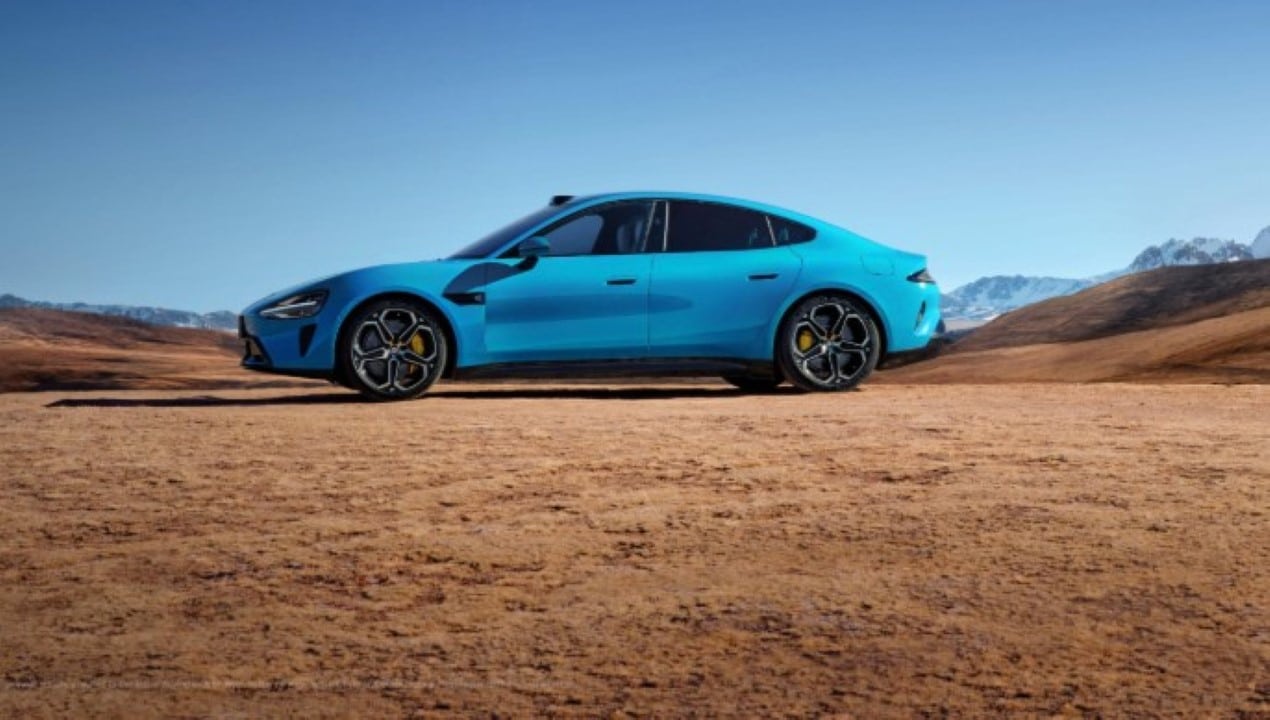
The Xiaomi electric vehicle division announced that the updated SU7 Max completed a 24-hour endurance test covering 4264 kilometers. The race took place on a 7.8 km oval track located in Yancheng, in the province of Jiangsu, in China. Esse result positions the model as the new record holder among mass-produced electric vehicles in similar tests.
The sedan maintained continuous operation throughout the period, including quick stops for recharging. The average speed recorded was around 177 km/h, considering the total time of the race. Xiaomi highlighted that the performance demonstrates the efficiency and durability of the battery system and thermal management.
The test reinforces the SU7 Max’s capacity in high demand conditions. The brand used the Max version of the new generation of the model, which incorporates improvements compared to the previous one.
Carrying out the resistance test
The test was conducted in a closed circuit to simulate real conditions of prolonged use. Drivers alternated shifts to keep the vehicle moving constantly, with speeds reaching 240 km/h in specific sections.
The oval track allowed high acceleration without significant interruptions due to complex curves. Esse format is common in endurance tests for electric vehicles, facilitating the assessment of range and energy efficiency.
Recharges occurred at intervals necessary to maintain the rhythm. The SU7 Max’s quick charge system helped minimize downtime, allowing the focus to remain on the total distance traveled.
Comparison with competing models
The SU7 Max surpassed previous marks in 24-hour tests carried out by other manufacturers. The list of previous records includes vehicles from different segments of the electric market.
- XPeng P7: 3961 km (previous record among production models)
- Xiaomi YU7: 3944 km (brand’s own model)
- Electric Mercedes CLA: 3717 km
- Porsche Taycan: 3425 km
These numbers were obtained under similar continuous test conditions. The difference to second place represents an increase of more than 300 km in total travelled.
The performance positions the Xiaomi ahead of established competitors in the premium electric sedan segment. Comparisons highlight gains in energy efficiency and quick recharge capacity.
High voltage technical platform
The SU7 Max uses 897 volt electrical architecture, which optimizes power transfer. Essa configuration incorporates silicon carbide in the inverters, reducing losses during high power operation.
The electric motor, called HyperEngine V6s Plus, delivers 495 kW of total power. All-wheel drive contributes to stability at high speeds during extended testing.
The ternary lithium battery has a capacity of 101.7 kWh. In the CLTC cycle, the model achieves an approved range of 835 km in normal use.
The thermal management system is shared with the Ultra version of the line. Essa technology maintains ideal temperatures even under continuous high-demand load.
Ultra-fast recharge capability
The maximum charge rate reaches 5.2 C, one of the highest in the current segment. Isso allows you to recover hundreds of kilometers of autonomy in just a few minutes during stops.
Currently, the model charges from 10% to 80% in about 19 minutes on compatible stations. The new generation should present additional improvements over this time, as preliminary tests indicate.
The combination of high voltage and advanced battery chemistry explains part of the test performance. Fast recharges reduced the impact on the total race time of 24 hours.
The charging infrastructure used on the track was optimized for the model. High power Estações ensured full compatibility with vehicle architecture.
Performance and security specifications
The SU7 Max accelerates from 0 to 100 km/h in less than 3 seconds in all-wheel drive configuration. The declared maximum speed reaches 265 km/h, a value close to that recorded in sections of the race.
The chassis incorporates lightweight materials and a rigid structure to withstand intensive use. Componentes suspension and brakes were designed to maintain performance over long sessions.
Xiaomi has applied recent updates in active and passive safety to the new generation. Sistemas driver assistance systems operated throughout the test without corrective interventions.
The model maintains a focus on everyday use combined with sporting capacity. The endurance test validated the robustness of the components under prolonged stress.
Position in the premium electric market
Xiaomi entered the electric vehicle segment less than two years ago. The original SU7 laid the foundation for rapid expansion of the product line.
Currently, the brand competes directly with Porsche Taycan and Tesla Model S in performance. The prices position the SU7 Max as a more affordable option in the high-performance segment.
Production takes place in a dedicated factory at China, with increasing capacity. The company plans international expansion in selected markets in the coming years.
The record reinforces the strategy of demonstrating technical superiority through practical tests. Testes like this serve to validate advances before the full commercial launch of the new generation.
Additional Battery Details and Efficiency
The energy density of the ternary battery contributes to the balance between capacity and weight. The 101.7 kWh package keeps the vehicle competitive in real-world range.
In conditions of constant high speed, consumption was controlled thanks to optimized aerodynamics. The low drag coefficient reduces losses at high speeds.
The energy recovery system operated intensively during slowdowns. Essa function helped extend the distance between required refills.
The average efficiency observed in the test surpasses direct competitor brands. The data collected will be used for future refinements in the SU7 line.
The Mercedes-Benz AMG GT XX prototype still holds the absolute mark with 5479 km. However, it is a non-commercial vehicle, outside the series production category.
