
Apple’s new M5 chip will equip the MacBook line and an unprecedented low-cost model for students


Apple is preparing one of the biggest updates to its notebook line, with the introduction of four new MacBook models equipped with the next generation of processors, the M5 family. The company’s new strategy aims to not only consolidate its leadership in the high-performance segment, but also expand its presence in more price-sensitive markets, such as the education sector.
Industry sources indicate that the new line will be divided into two main fronts. On the one hand, the popular MacBook Air and MacBook Pro will receive the performance and efficiency gains of the M5 chip. Do another, the big news is the development of an entry-level MacBook, with a significantly lower price, designed to compete directly with the Chromebooks.
This strategic move seeks to attract a new audience to the macOS ecosystem, offering a more accessible entry point without compromising the integrated experience that is Apple’s trademark. The initiative could redefine the dynamics of the entry-level educational and corporate notebook market.
An affordable MacBook for the education sector
The most anticipated launch is an entry-level MacBook, with an estimated price of between 700 and 800 dollars, specifically focused on the educational market. The Este model was designed to be a direct alternative to the Chromebooks, which currently dominate classrooms. Para achieves this competitive price point, the Apple must utilize a simpler metal chassis and optimize internal components while maintaining the durability required for the school environment. Especula It is expected that the device may come equipped with an optimized version of the M5 chip or even an A series processor, similar to those found in iPhones, to balance cost and performance. The screen must be 13 inches, and the keyboard and trackpad will maintain the high quality expected from the brand’s products, ensuring that the user experience continues to be an important differentiator. The goal is clear: to offer the power and security of macOS to students and educational institutions that previously considered Apple products out of their budget.
The power of the M5 chip in the MacBook Air
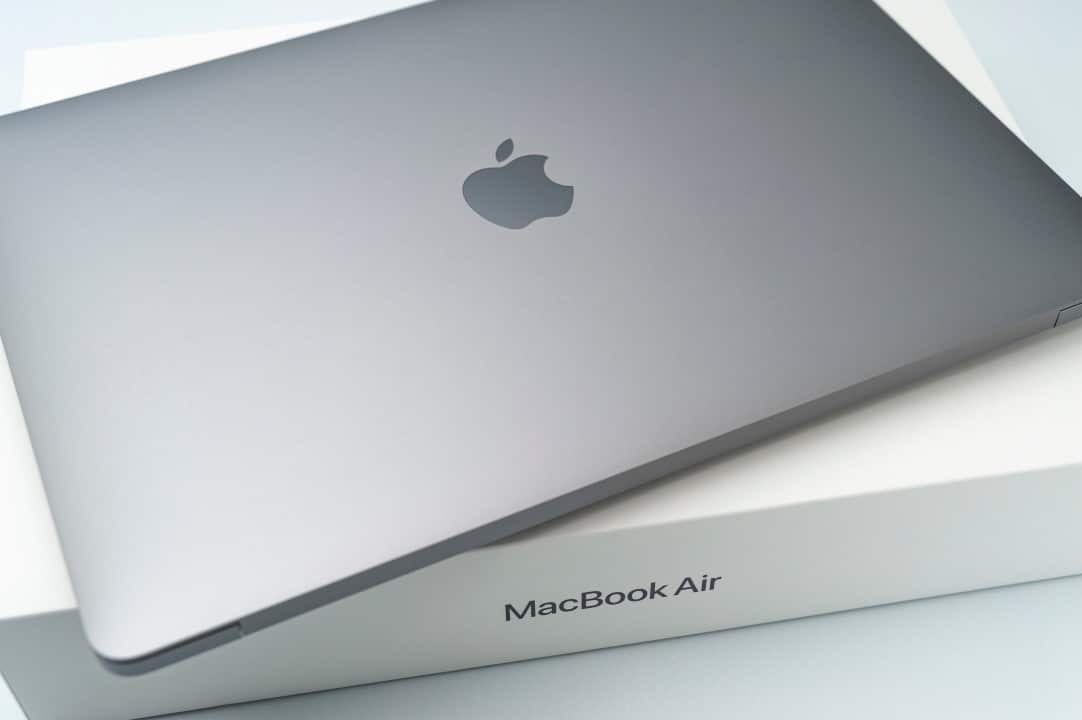
The popular MacBook Air will be one of the first to receive the new M5 chip, manufactured using TSMC’s 3-nanometer technology. Essa evolution promises a considerable leap in both processing power and energy efficiency, resulting in faster performance for daily tasks and even greater battery life.
| モデル | メインチップ | 画面 | 推定開始価格 (相当) | 主な対象者 |
|---|---|---|---|---|
| 低価格MacBook | A18プロ | 13インチ液晶 | 699-899 | 学生と基本的な使い方 |
| MacBook Air | M5 | 13インチまたは15インチRetina | 999 | プレミアムモバイルユーザー |
| 標準MacBook Pro | M5プロ/マックス | 14インチまたは16インチのミニLED | 1999-3499 | 中級者向け |
| MacBook Pro OLED | M6(予定) | 14インチまたは16インチのタッチOLED | 非開示 | 一流のクリエイター |
In addition to raw performance, the M5 chip is designed to enhance artificial intelligence and machine learning capabilities. Isso means the new MacBook Air will be able to run macOS features more fluidly, from real-time audio transcription to intelligent photo and video editing, making it an even more powerful tool for students and professionals.
Evolution for MacBook Pro models
For professional users, Apple is preparing to update the 14-inch and 16-inch Pro MacBooks with the M5 Pro and M5 Max chips. Essas variants will offer even more CPU and GPU cores, consolidating the line as the ideal choice for the most demanding tasks.
The improvements will not be limited to the processor. Espera The new Pro models are expected to offer SSD storage options with higher read and write speeds, as well as configurations with greater unified RAM memory capacity.
With these updates, professionals in areas such as 8K video editing, 3D rendering, software development and music production will have a machine capable of handling complex workflows in a more agile and efficient way.
The future of screens with OLED technology
Looking a little further ahead, Apple is also planning an important transition in screen technology for its notebooks. Fontes indicate that future MacBook models Pro, probably from the generation with the M6 chip onwards, will abandon the Mini-LED panels to adopt OLED technology.
The switch to OLED screens will bring significant visual benefits. Entre they have infinite contrast, with true blacks, more vibrant and accurate colors, as well as a faster response time. Essa Superior image quality is crucial for photographers, designers, and video editors who rely on color fidelity in their work.
Diversified market strategy
The introduction of four distinct models with the M5 chip family signals a clear diversification in Apple’s strategy for the notebook market. The company seeks to cover all bases, from the consumer looking for their first Mac to the professional who needs the maximum performance available.
The launch of a low-cost model is a direct response to the growth of competing platforms in strategic sectors. At the same time, the continuous evolution of the Air and Pro models reinforces the brand’s commitment to innovation and performance, keeping its users loyal and attracting new consumers in the premium segment.
Speculated schedule for releases
The launch schedule for the new MacBooks should occur in phases. Especula The entry-level MacBook and the new MacBook Air with M5 chip are expected to be announced in the first half of the year, aligning with the back-to-school shopping period in the northern hemisphere. Já MacBook models Pro, equipped with the M5 Pro and M5
Improved performance and efficiency
The core of the new MacBook line is the 3-nanometer architecture of the M5 chip. Essa advanced technology allows the Apple to integrate more transistors into the processor, resulting in an increase in performance without a corresponding increase in power consumption. In practice, this translates into notebooks that are both more powerful and more economical.
For the end user, the benefits are clear: applications open faster, editing of heavy files occurs without crashes and the battery lasts all day, even with intense use. Essa combination of power and efficiency continues to be the Apple Silicon platform’s main differentiator in the personal computer market.



