Future Xiaomi Pad 9 and Pro have cutting-edge Snapdragon processors revealed in HyperOS leak

New information about the next generation of Xiaomi tablets has been discovered in analyzes of the source code of the HyperOS operating system. The data indicates that the company is at an advanced stage in the development of the Pad 9 line, which will feature standard and Pro models, both equipped with high-performance Qualcomm processors, consolidating the brand’s strategy of competing in the premium segment.
The appearance of the devices on the Xiaomi interface servers, with internal numbers and specific codenames, suggests that the official launch is approaching. Essa premature discovery signals that mass production could begin in the coming months, maintaining the accelerated renewal cycle that the manufacturer has adopted for its main product lines.
With this new series, Xiaomi seeks to reinforce its position in the global tablet market, offering powerful alternatives to compete directly with giants such as Apple and Samsung. The new models are expected to combine advanced hardware with software optimized for high-definition productivity and entertainment tasks.
Processor specifications revealed
The leak confirmed crucial details about each model’s processing power. The Xiaomi Pad 9, the entry-level version of the new line, will be equipped with the Qualcomm Snapdragon 8s Gen 4 chipset.
On the other hand, the Xiaomi Pad 9 Pro will be driven by the Snapdragon 8 Essa configuration ensures superior performance in extremely demanding tasks such as high-resolution video editing, 3D rendering and gaming with maximum graphics. The inclusion of these chips represents a significant leap in processing capacity compared to the brand’s previous generation of tablets.
Codenames and internal numbering
The information extracted from HyperOS revealed the identifiers that Xiaomi uses internally for new products. The standard model, Xiaomi Pad 9, is identified by the code name “Donghai” and the number Q82.
The most powerful version, the Pad 9 Pro, was codenamed “Shuntian” and model number Q81. Essa clear distinction in names and internal codes is fundamental for the organization of the production and software development chain.
The presence of this data directly in the operating system databases is strong evidence that tablets have already passed the initial concept phases and are in advanced stages of hardware and software testing.
Native operating system and software features
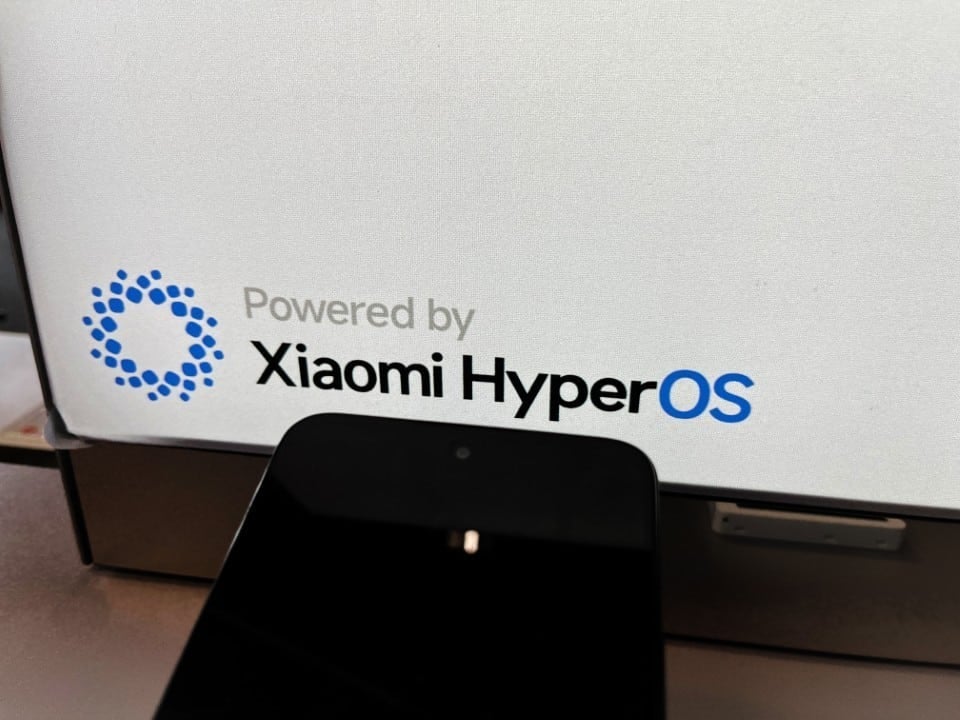
One of the most important differentiators of the Pad 9 line will be the software. The Ambos models will leave the factory running HyperOS 4, the latest version of the Xiaomi interface, based on the Android 17. The Essa combination guarantees not only a fluid and modern user experience, but also access to exclusive features developed by the brand to optimize use on larger screens. HyperOS 4 is designed with multitasking in mind, offering an improved split-screen system, floating windows, and deep integration with other devices in the Xiaomi ecosystem, such as smartphones and notebooks. Choosing the Android 17 as a base also ensures long-term support for security updates and compatibility with the latest Play Store applications, positioning tablets as long-lasting and secure devices for users.
Development and prototype phase
Despite the leak of detailed information about processors and software, the devices are still in the prototyping phase. Isso means that some aspects of the final design, such as the camera array, storage options and exact battery capacity, may still undergo adjustments before full-scale production begins.
Xiaomi is conducting rigorous testing to ensure the stability and performance of HyperOS on new hardware. The fact that the details have emerged publicly suggests that progress in the engineering teams is occurring at an accelerated pace, in line with the company’s strategic planning for the second half of the year.


Strategy for the tablet market
The Pad 9 line is a central component of Xiaomi’s strategy to consolidate its presence in the global tablet market. The company continues to invest in devices that offer premium specifications at competitive prices, a formula that has attracted a growing number of consumers looking for alternatives to Apple and Samsung products.
The rapid development of the Pad 9 series, even while the global expansion of the Pad 8 line is still underway, demonstrates an aggressive approach. Xiaomi does not want to lose ground to competitors and seeks to anticipate market trends with constant and innovative launches.
The global success of the new models will depend on obtaining certifications in different regions, a process that usually begins after the official launch at China. The expectation is that, as in previous generations, the tablets will reach international markets just a few months after their local debut.
The combination of cutting-edge processors, an updated operating system and a premium design reinforces the brand’s ambition to become a reference in the segment, offering a complete user experience for both entertainment and productivity.
Accessories and focus on productivity
To reinforce its appeal as a work tool, the Xiaomi Pad 9 line is expected to maintain and enhance support for essential accessories. Compatibility with a high-precision stylus pen and a magnetic keyboard that also functions as a protective cover should be one of the highlights, transforming the tablet into a viable alternative to notebooks for professionals and students.
Expected improvements in screen and battery
Additional rumors point to high-end display specs. The standard model may feature an 11.2-inch display with 3.2K resolution and a refresh rate of 144Hz, providing sharp images and fluid movements. The Pro version, in turn, may come with a superior technology panel, such as OLED, to offer more vibrant colors and improved contrast.
To power this hardware, both models are expected to be equipped with large capacity batteries, possibly above 9,000 mAh. Aliado to a fast charging system, this will ensure that users can use the devices for long periods without the need for frequent recharges, meeting the demand for mobility and autonomy.
Veja Tambem em News (EN)

Research reveals that parents are unaware of how their children use artificial intelligence

Samsung releases new system update with new features for Galaxy Watch 4 users

Digital retail reduces the value of the Galaxy S25 5G smartphone with bank bonuses and device exchange

Amazon’s wireless CarPlay adapter has a 50% discount and high approval ratings from drivers

Zach Cregger’s new Resident Evil ignores games and focuses on an unprecedented story with new characters

Rumor suggests that Nintendo is preparing a special edition of the Switch 2 with a remake of Ocarina of Time

Apple accelerates production of the iPhone 17e and develops new Air model with dual camera system

Epic Games platform releases twelve high-budget games at no permanent cost for PC users

PlayStation 5 Pro price drop accelerates digital retail sales and eliminates global stocks

New Galaxy Watch 9 firmware appears on server and confirms progress in software development

Apple’s commemorative project tests cell phone with 1.1 millimeter edge and curved screen for 2027