
Kate Middleton sets two essential standards in Prince George’s education for school and sports

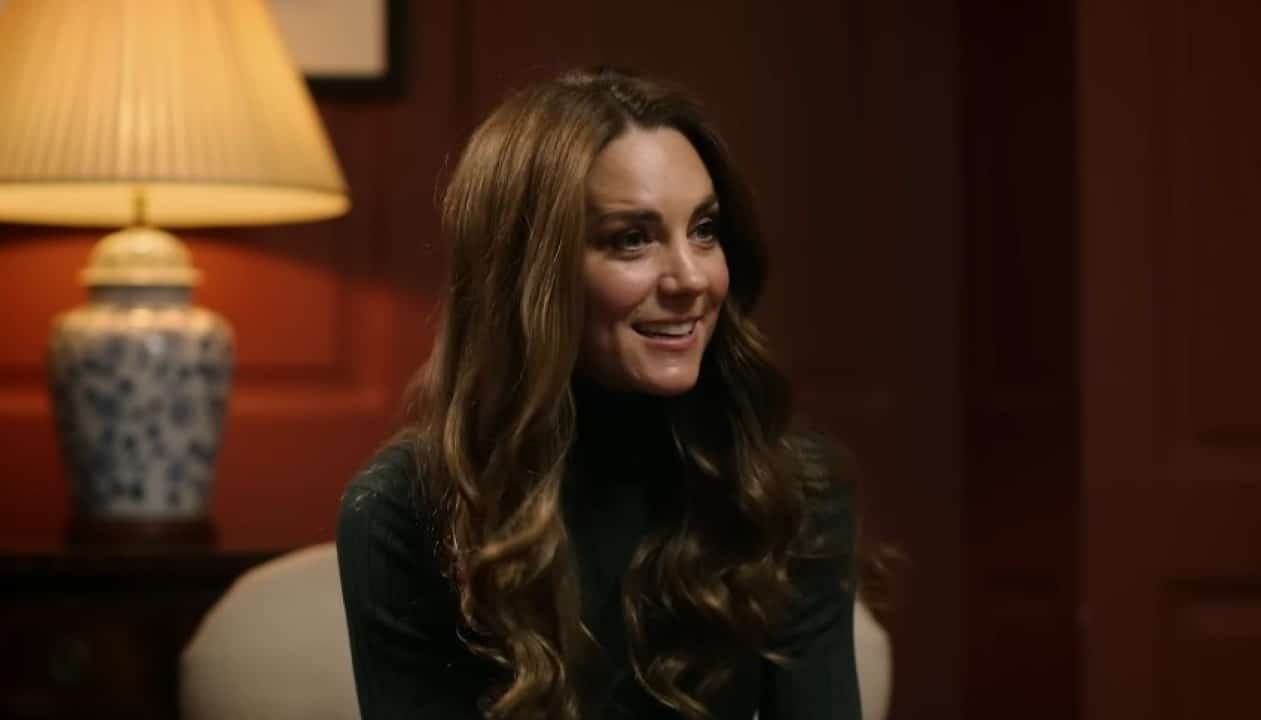
Gales’s princess, Kate Middleton, has adopted a remarkably practical and present parenting approach, establishing two fundamental guidelines in raising her eldest son, Prince George. Essas rules, considered non-negotiable, focus on crucial moments in the young heir’s routine, redefining the dynamics between maternal duties and the support offered by the family nanny.
The arrangements guarantee the exclusive presence of the princess when taking the future king to school and in all his sporting competitions. Essa’s posture directly impacts the routine of Maria Teresa Turrion Borrallo, the experienced nanny who has been with the family since 2014, clearly delimiting the areas in which the maternal presence is considered irreplaceable.
The decision, fully supported by Prince William, signals a modernization in royal customs, prioritizing the emotional stability and development of The initiative reinforces the image of a cohesive family unit adapted to modern times.
The two non-negotiable guidelines of Kate
The first rule established by Kate Middleton is that she, personally, must take Prince George to school every day. Essa task, which in many royal families would be delegated to advisors or the nanny, is treated by the princess as a priority commitment and a fundamental pillar in her son’s routine. The decision aims to provide the young prince with a consistent and safe start to the day, reinforcing the feeling of normality and the maternal presence as a constant in his daily life. Kate’s frequent presence at the gates of Lambrook School is a public testament to her commitment to this directive, showing that, for her, the role of mother precedes her duties as a senior royal.
The second, equally strict guideline is the mandatory presence of Kate at all sporting events in which George participates. Seja at a football, rugby or swimming competition, the princess makes a point of being in the stands, offering direct and unconditional support. Mais than just an act of encouragement, this practice is seen as an opportunity to teach the child values such as teamwork, resilience and the importance of dealing with both victory and defeat. Esses moments are considered by the princess as crucial to the formation of the character of the future king, strengthening the family connection outside the formal environment of the palace and creating valuable affective memories.
The redefined role of the royal nanny
Maria Teresa Turrion Borrallo, graduated from the prestigious Norland College, is a central figure in the lives of the children of William and Apesar of its unquestionable importance, the rules imposed by Kate Middleton clearly redefine the boundaries of its activities. Borrallo remains responsible for complex daily logistics, which includes coordinating schedules, preparing meals, helping with schoolwork and organizing extracurricular activities for George, Charlotte and Louis. However, the tasks related to morning school attendance and attendance at George sporting events were deliberately reserved by the princess. Essa divisão de responsabilidades demonstra um modelo de gestão familiar onde a babá atua como um suporte fundamental e uma profissional de confiança, mas não como uma substituta da figura materna em momentos considerados essenciais para o desenvolvimento e a segurança emocional da criança.
The school routine at Lambrook School
The choice of Lambrook School, located in Berkshire, for the couple’s three children was a strategic step to consolidate the search for a more private and normal life.
The institution is known for offering excellent education, but also for promoting a more relaxed environment focused on the integral development of students.
Having George, Charlotte and Louis attending the same school facilitates family logistics and strengthens the bonds between siblings, allowing them to share daily experiences.
The constant presence of Kate or William on campus reinforces the image of a family engaged in the school community, interacting with other parents and the pedagogical team.
The importance of sport in the formation of George
Kate Middleton’s regular presence at Prince George’s sporting competitions is part of a long-term strategy to prepare him for the challenges of public life. Sport is seen as a powerful educational tool.
Through sporting activities, the young prince learns valuable lessons about discipline, perseverance, leadership and dealing with pressure, skills that will be crucial in his future role.
George’s interest in sports such as football and rugby is actively stimulated, transforming sports into a family activity that strengthens bonds.
The debate over the prince’s educational future
With Prince George approaching the age of transition to secondary education, a new decision is looming for the family, generating speculation in the British press.
The debate focuses on two highly prestigious institutions: Eton College, the traditional boys’ boarding school where princes William and Harry studied, and
The final choice will represent a balance between the tradition of the monarchy and a more modern approach, taking into account the profile and desires of George himself.
A monarchy with a touch of modernity
The parental choices of Kate and William reflect the vision they both share for the future of the monarchy, moving away from a more formal model that characterized previous generations.
This more humanized approach aims to connect Coroa with the public in a more authentic and accessible way, adapted to the challenges of the 21st century.
The influence of Diana on the parental model
Royal observers point out that Kate’s approach is heavily influenced by the legacy of Princess Diana, who broke protocols to provide a “normal” childhood for her children, leaving an indelible mark on Prince William.



