
Toyota officially revealed the sixth generation of the RAV4, its most successful SUV and one of the best-selling vehicles worldwide. The new model, which is initially scheduled to launch at Japão in December 2025, marks a fundamental strategic change for the line: the complete abandonment of exclusively combustion engines. Todas versions will be equipped with hybrid propulsion systems, reinforcing the brand’s commitment to electrification.
The design represents a break with the previous generation, adopting the new visual identity of the Toyota, nicknamed “hammer head”. Esta new front end gives the SUV a more modern, robust and technologically advanced appearance, aligning it with the manufacturer’s most recent launches. The updates extend from the exterior to the onboard technology, with a new multimedia system and improved safety features.
The arrival of the new RAV4 in other global markets will take place over the months following the Japanese launch. Para o
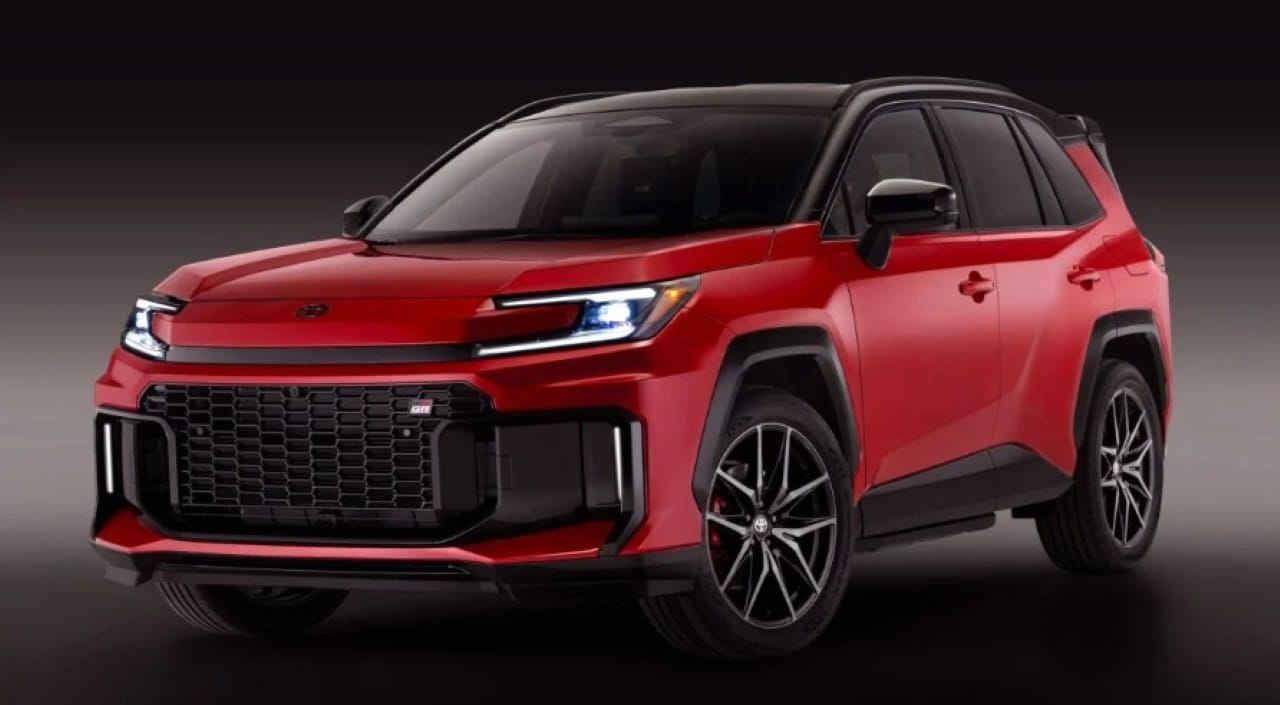
A completely redesigned exterior design
The visual identity of the new RAV4 is its main initial highlight. The “hammerhead” front end is characterized by tapered LED headlights and a grille integrated into the bumper, replacing the more angular look of the previous model with more fluid and contemporary lines. Este design is not just aesthetic; It contributes to better vehicle aerodynamics, resulting in greater fuel efficiency and lower wind noise at high speeds.
The sides of the SUV received softer creases and pronounced fenders, which reinforce its stance and presence on the streets. At the rear, the taillights adopt a horizontal light signature that runs across the trunk lid, a pattern that has become popular in the industry’s latest models. Essas changes, combined, modernize the RAV4 without sacrificing the practical elements that made it famous, such as good ground clearance and capacity for larger diameter tires.
Interior with more technology and sophistication
The RAV4’s interior has been enhanced with a clear focus on technology and comfort. The highlight of the cabin is the new multimedia center, which can reach 14 inches, depending on the version. Este infotainment system allows “over-the-air” (OTA) updates, ensuring that software is always in its latest version without the need for visits to a dealership.
The Toyota chose to maintain physical controls for essential functions, such as air conditioning and audio volume, a decision that prioritizes usability and safety while driving. The instrument panel is now fully digital and configurable, allowing the driver to choose between different display layouts and view information from the navigation and driver assistance systems.
The choice of materials denotes a search for a more premium finish, with soft-touch surfaces and synthetic leather covering options. The interior space was optimized to improve the comfort of passengers in the rear seat, and the trunk capacity was maintained. Carregador induction for smartphones and multiple USB-C ports have become standard across the board.
Exclusively hybrid engine
The big news about the sixth generation of the RAV4 is its engine. The model abandons traditional gasoline engines to focus exclusively on hybrid systems. The standard configuration uses the well-known parallel system of the Toyota, which combines a 2.5-liter combustion engine with electric units, delivering a combined power of 226 horsepower, a slight increase over the previous model.
The E-Four all-wheel drive system, available on the most complete versions, distributes torque to the rear wheels through a dedicated electric motor. Esta configuration ensures greater stability and traction capacity on low-grip surfaces, without the need for a driveshaft, which saves weight and improves efficiency.
For selected markets, the Toyota will also offer a plug-in hybrid (PHEV) version. Este model will be equipped with a higher capacity battery, which will allow a purely electric range of more than 100 kilometers. Esta version allows daily use in electric mode, without pollutant emissions, and can be recharged using common sockets or quick charging stations.
Optimization of the hybrid system resulted in an overall improvement in fuel consumption. Embora official data for all markets is still in the approval process, the expectation is that the new RAV4 will position itself as one of the most efficient SUVs in its segment.
Improved security with new technology package
The Toyota Safety Sense security suite has been updated to its latest generation, incorporating new features and enhancing existing ones. The automatic emergency braking system now has an improved pedestrian and cyclist detection capability, working more effectively also at night. Adaptive cruise control (ACC) operates at all speeds, making it a useful tool in urban congestion, while lane keeping assistant performs trajectory corrections more smoothly and precisely. A set of 360-degree cameras and ultrasonic sensors facilitate maneuvering in tight spaces, displaying a complete view of the vehicle’s surroundings on the multimedia screen. Blind spot monitoring alerts the driver to the presence of vehicles in areas that are difficult to see, and the body structure uses high-strength steel in strategic points to increase impact absorption in the event of collisions.
Versions available at global launch
At Japão, the new RAV4 will initially be launched in two main versions: Adventure and Z. The first focuses on a more robust appearance and off-road capability, while the second prioritizes elegance and urban use, with more refined finishes and comfort equipment.
On the Estados Unidos, the range of options will be expanded with finishes such as the Woodland, which includes raised suspension and mixed-use tires, aimed at a more adventurous audience. Pacotes options will allow you to add luxury items, such as a panoramic sunroof and a premium JBL sound system.
Expectations for the Brazilian market
The arrival of the new RAV4 at Brasil, scheduled for 2026, should heat up the medium SUV segment. The Toyota will probably adapt the model to flex hybrid technology, which already equips the Corolla and the Corolla Cross in the country. Este system, which allows the use of ethanol, offers an advantage in terms of emissions and fueling costs. The model will compete directly with the Honda CR-V, the Volkswagen Tiguan and new competitors from Chinese brands.
