
Vehicle sales reveal Arrizo 6 with an increase of 2464% and ZR-V with the biggest decline in the annual market


The Brazilian car and light commercial market demonstrated extreme dynamics throughout 2025, a year that, despite ending with moderate growth, was marked by significant turnarounds for several models. Dados consolidated by Federação Nacional of Distribuição of
In this scenario of gradual recovery, the individual performance of the vehicles revealed a clear polarization. On the one hand, models from Chinese brands, especially those equipped with hybrid technology, registered exponential growth, capitalizing on consumers’ search for efficiency and technology. On the other hand, some SUVs and pickup trucks from traditional brands faced sharp drops, impacted by price adjustments and increasingly fierce competition.
The comparative analysis between the performances of 2024 and 2025 exposes the contrasts in consumer behavior and the automakers’ strategies. Fatores such as the availability of credit, the timing of launches, the perception of cost-benefit and technological innovation were decisive in defining the big winners and losers of the period, with the sedan Caoa Chery Arrizo 6 and the SUV Honda ZR-V starring at the two extremes of this scale.
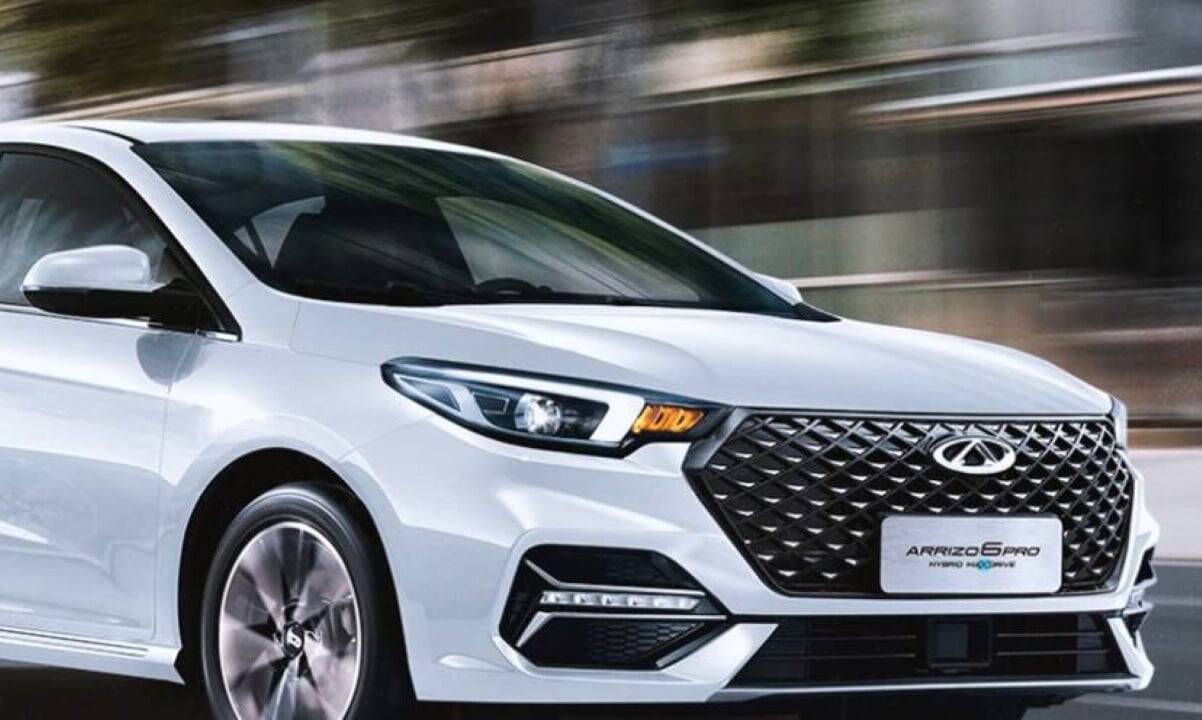
The significant advance of the Caoa Chery sedan
The biggest highlight of the year was, without a doubt, the Caoa Chery Arrizo 6. The medium sedan recorded the biggest percentage increase in the entire market, with an impressive jump of 2,464.3% in its registrations. The model went from just 56 units registered in 2024 to a total of 1,436 vehicles sold in 2025, a feat that put it in the sector’s spotlight. Esse dizzying growth is attributed to a strategic combination of factors, led by its mild-hybrid engine. The system, which combines a 1.5 turbo engine with a small electric generator, offers greater fuel efficiency without the high cost of a full hybrid system, attracting urban consumers looking for savings. Além of the engine, the Caoa Chery invested in a robust package of safety equipment and technology, including autonomous emergency braking and lane keeping assistant, items valued in the segment. The expansion of the dealership network and aggressive marketing campaigns were also crucial in increasing visibility and trust in the brand, allowing the Arrizo 6 to establish itself as a viable alternative to established competitors.
Other growth highlights on the podium
In addition to the Arrizo 6 phenomenon, other models also showed a notable performance in 2025. The Audi A5 secured the second position among the biggest growths, with an increase of 163.3%. The German premium sedan sold 977 units, a number boosted by the arrival of its new generation in mid-year, which replaced the A4 and attracted customers with its renewed design and onboard technology.
The Caoa Chery itself was once again present on the podium with the Tiggo 8. The seven-seater SUV confirmed its popularity by reaching 17,883 registrations, which represented a solid growth of 83.4% compared to the previous year. Esse result was the result of a visual restyling and the addition of more standard items, reinforcing its competitiveness.
The success of the Tiggo 8 highlights the strong demand for family vehicles that combine space, versatility and a complete equipment package. The ability to meet this need, with an aggressive value proposition, was fundamental to the model’s continued advancement in the competitive SUV segment.
These results demonstrate a clear trend: models that invested in renewal, hybrid technology or a strong appeal to family value for money managed to stand out and capture a larger share of the market, regardless of whether they were from premium brands or rising automakers.
The sharp pullback of the Honda ZR-V
At the other end of the spectrum, the Honda ZR-V was the model that recorded the biggest percentage drop in sales for the year. The average SUV had only 1,791 units registered throughout 2025, a number that represents a drastic retraction of 69.7% when compared to the 5,917 units sold in 2024.
The main reason for the decline was the fierce competition in the medium SUV segment, one of the most competitive in the Brasil. The ZR-V faced direct rivals such as the Toyota Corolla Cross and the Jeep Compass, which have more affordable hybrid and flex versions, in addition to the strong offensive of new Chinese competitors, such as the GWM The price positioning of the ZR-V, combined with the absence of a hybrid engine option in its price range, limited its appeal to a public increasingly attentive to energy efficiency and the technological package offered.
The most significant falls of the period
The Honda ZR-V was not alone on the list of models with negative performance. The Volkswagen Amarok pickup truck was the second biggest drop of the year, with a 62.8% reduction in registrations. The model registered just 2,730 units sold, a result directly impacted by a significant price adjustment, which reached R$34,000 in its top-of-the-line versions, driving away potential buyers.
Completing the group of biggest retractions, Volkswagen Jetta GLI also faced a difficult year. The sports sedan sold 1,130 units, which meant a decline of 59.8%. Seu performance was hampered mainly by the fact that its new version only hit the market in November, limiting annual sales volume. Além Furthermore, its positioning as a niche model, with a price of around R$269,990, made it more susceptible to market fluctuations.
These cases illustrate how factors such as pricing strategy, product life cycle and competitive pressure were decisive for sales performance. Modelos that were unable to quickly adapt to new consumer demands ended up losing space considerably.
General overview of the automotive sector
The 2.5% overall growth in car and light commercial sales in 2025, although modest, signals a consistent recovery for the sector, which reached its best volume since the pre-pandemic period of 2019. The last quarter of the year was particularly important in consolidating this positive result, driven by better credit conditions and end-of-year promotions.
The analysis of the sales mix confirmed the continued dominance of the SUV segment, which continues to be the preference of the majority of Brazilian consumers. However, the significant advance of hybrid sedans, such as the Arrizo 6, showed that there is a growing space for vehicles that combine energy efficiency with a good equipment package, challenging the absolute reign of sports utility vehicles.
Strategies that defined winners and losers
The 2025 balance sheet makes it clear that the expansion of Chinese brands, led by Caoa Chery, was based on a well-defined strategy of offering products with hybrid technology at competitive prices. Essa abordagem se mostrou altamente eficaz para atrair um consumidor que busca modernidade e economia, mas que ainda não está pronto ou não pode arcar com os custos de um veículo 100% elétrico.
On the other hand, table readjustments at a time of high consumer sensitivity to prices proved to be a risky tactic, directly affecting the sales volume of pickup trucks and SUVs from established brands. The polarization in the midsize sedan segment was also a direct reflection of this new reality, where technology and efficiency became more valuable bargaining chips than just brand strength.
Technical details of the models in focus
Vehicle configurations reflect your market strategies. The Arrizo 6 focuses on combining the turbo engine with the mild hybrid system for efficiency, while the Tiggo 8 focuses on internal space with three rows of seats. The Audi A5 stands out for its premium finish and all-wheel drive. In contrast, the Honda ZR-V prioritizes drivability and comfort, sharing a platform with the Civic, while the Amarok V6 focuses on heavy-duty power and the Jetta GLI offers sporty performance with its quick DSG gearbox and tuned suspension.



