Xiaomi confirms HyperOS 3 based on Android 16 and publishes list of compatible devices
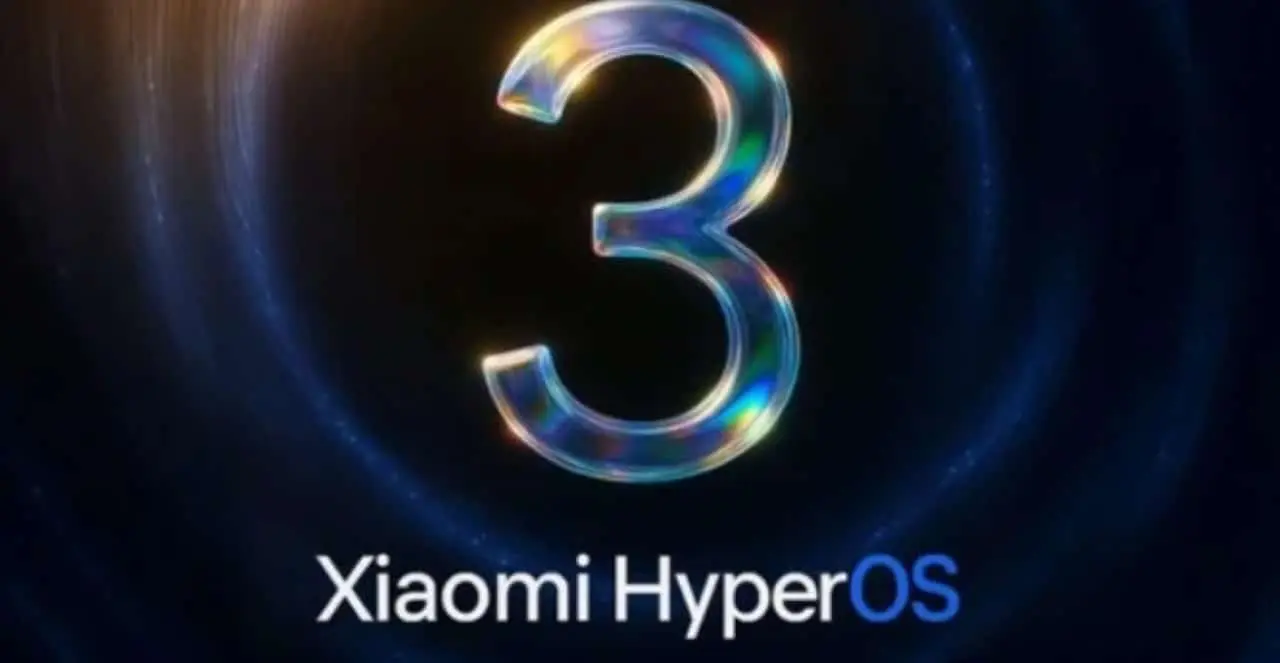
Xiaomi has officially announced the development of HyperOS 3, its next major operating system update, which will be built on the future Android 16 platform. The new interface promises a complete overhaul of the user experience for a wide range of smartphones from the Xiaomi, Redmi and POCO lines. The launch is scheduled to begin gradually at the end of 2025, extending until the first months of 2026.
The main focus of the update is to improve overall performance, introduce advanced artificial intelligence features and offer a more fluid and visually modern interface. With this new version, the Chinese manufacturer seeks to consolidate its product ecosystem, promoting deeper integration between smartphones, tablets and other smart devices.
Along with the announcement, the company released a preliminary list of models that will be eligible to receive the new software. The distribution strategy was designed to cover a vast portfolio, from the most recent high-end models, which will have priority, to the most popular mid-range models, ensuring that a broad consumer base has access to the proposed innovations.
Main news and features of HyperOS 3
HyperOS 3 was designed to introduce significant functional and visual changes, with the aim of optimizing daily user interaction. The big highlight is the implementation of the “HyperIsland” feature, a solution that integrates notifications, alerts and real-time activities in a dynamic and interactive format, similar to an expandable island at the top of the screen. Essa functionality will allow users to view the status of various tasks without interrupting the main activity. Paralelamente, multitasking capability will be improved with a more robust and intuitive floating window system. The Xiaomi also focused on infrastructure improvements, promising more efficient power management and graphics performance optimizations, which will be noticeable in games and heavy applications.
More on this story: Xiaomi’s HyperOS 3 update: check the official list of cell phones and the complete schedule
The official release schedule
The HyperOS 3 implementation plan was structured into three distinct phases to ensure a stable transition. The first wave of updates is scheduled to take place between October and November 2025, being targeted exclusively at the brand’s most recent flagship models.
The second phase of the distribution schedule is expected to take place between November and December 2025. During this period, the update will be expanded to include high-end models released in previous years, as well as some of the most popular premium mid-range devices.
The third and final stage of the update process will take place throughout the first quarter of 2026.
Learn more: Xiaomi confirms HyperOS 3 with Android 16 and reveals the initial list of compatible phones
Artificial intelligence as a central focus
One of the fundamental pillars of HyperOS 3 will be the advanced integration of artificial intelligence across all layers of the system. The brand’s virtual assistant, Super Xiao Ai, will undergo a complete redesign to become more proactive and contextual.
It will be able to anticipate user needs based on usage patterns and information from applications such as calendar and emails, offering personalized suggestions and automations.
New generative AI tools will allow you to create texts, summarize documents and generate responses to conversations directly in the system, without the need for third-party applications, optimizing productivity.
See Also


Other AI-powered features include simultaneous audio transcription in calls and smarter photo editing, which automatically suggests the best adjustments for each captured image.
Devices from the Xiaomi line that will receive the system
In the initial list of devices that will receive HyperOS 3, Xiaomi made a point of including its main recent releases, reinforcing its commitment to long-term software support. The Xiaomi 14 and Xiaomi 13 series, including their variants, are among the first confirmed.
On the same topic: Xiaomi’s HyperOS 3 with Android 16 has a schedule and official list of cell phones revealed by the brand
These devices will have priority in the release schedule, ensuring that owners of the brand’s most advanced models will be the first to experience the innovations of the new operating system.
Redmi and POCO devices are also on the list
The popular Redmi Note line, which serves a large volume of consumers, is also included in the update. The Redmi Note 13 series has been confirmed to receive the new system, which demonstrates the brand’s strategy to bring its software innovations not only to the premium segment, but also to the mid-range devices that form the basis of its global popularity.
The POCO line, known for offering performance-focused smartphones, was also included in the upgrade plan. Modelos like the POCO F6 and POCO X7 have been confirmed in the first wave of devices that will be updated to HyperOS 3. Owners of these devices can expect significant improvements in performance, especially in gaming and multitasking.
First in line for the update
Xiaomi adopted an interesting strategy for the debut of HyperOS 3, prioritizing devices that have not yet been released on the market. The top priority list includes the upcoming Xiaomi 15 series, with its Ultra and Pro variants, the long-awaited foldable MIX Flip, the powerful POCO F7 and the Xiaomi Pad 7 Pro tablet.
More on this story: Xiaomi’s HyperOS 3: check the list of cell phones that will receive the new update based on Android 16
How to check and prepare your device
When the HyperOS 3 update is available for your model, verification can be performed simply. The user must navigate to the device’s “Settings” menu, access the “About phone” section and tap “System update”.
Before starting the download, it is highly recommended to perform a complete backup of important data such as photos and contacts. Além Furthermore, it is crucial to be connected to a stable Wi-Fi network and ensure that the device’s battery is at least 50% charged.