
Apple prepares iPhone Fold with Samsung technology for thinner and more efficient display

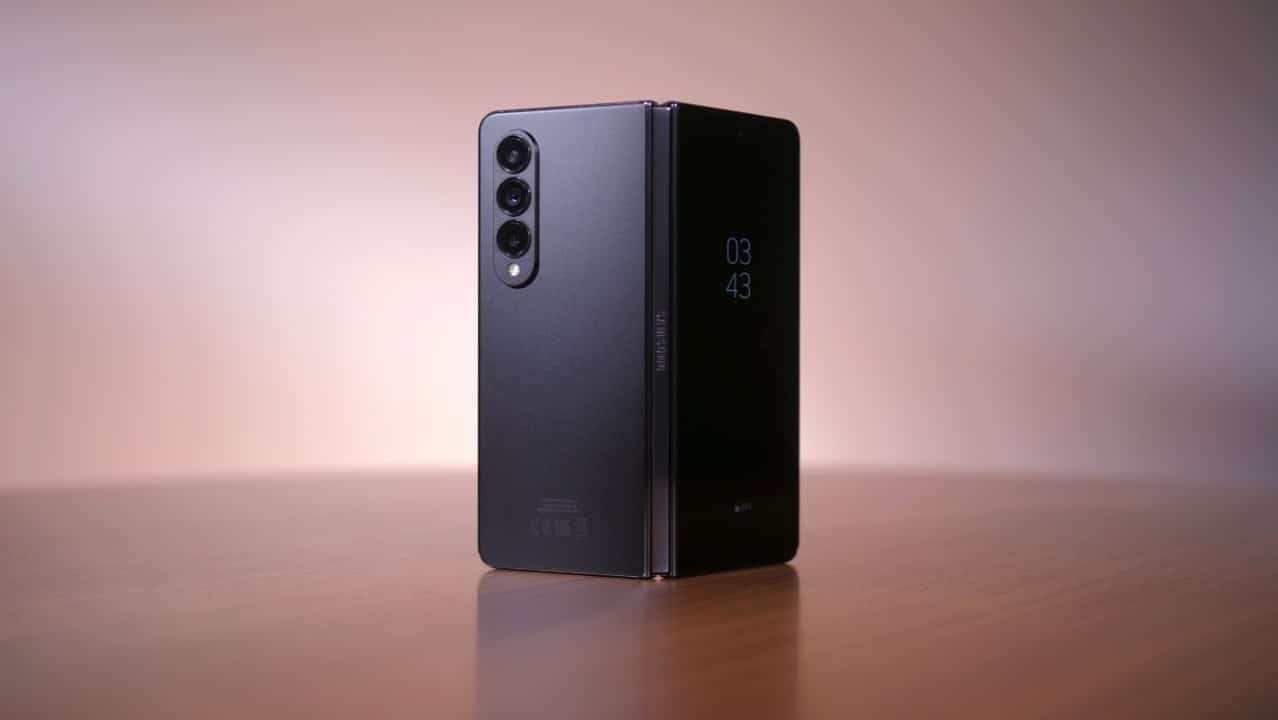
Apple plans to incorporate CoE technology, developed by Samsung Display, into its first foldable smartphone, known as iPhone Fold. Essa innovation eliminates the traditional polarizer and integrates the color filter directly into the encapsulation layer of the OLED panel.
The expected result includes greater brightness, reduced energy consumption and a thinner design of the device. Rumores point out that the device will hit the market in 2026 or 2027, marking the company’s entry into the foldables segment.
Experts highlight that this partnership reinforces Apple’s dependence on Korean suppliers for advanced display components.
Benefits of CoE technology in display
CoE technology removes the plastic polarizer layer, responsible for blocking around 50% of the light emitted by the OLED panel. As a result, the display maintains high contrast without significant losses in brightness.
Samsung has been applying this solution to its Galaxy Z Fold models since 2021. The method contributes to smaller batteries in the South Korean brand’s foldables, without compromising autonomy.
Impact on thickness and battery
Adopting CoE makes it possible to reduce the total thickness of the display on foldable devices. The Apple seeks to avoid bulky devices, like some current competitors.
Samsung claims that the technology cuts energy consumption by up to 37%. Isso allows for longer battery life or the use of smaller cells, favoring more compact designs.
Application on other models Apple
Reports indicate that the CoE debuts on the iPhone Fold and extends to the iPhone Air 2. Futuros models from the iPhone 18 line also receive the innovation.
This expansion marks the first time that Apple has used the technology on non-foldable smartphones. The strategy aims to improve energy efficiency across the entire main line.

History of technology at Samsung
Samsung introduced CoE, initially called Eco² OLED, in the Galaxy Z Fold 3. Desde then, all Z series models incorporate the solution.
The innovation resolves excessive reflections and light loss on foldable screens. The company refines the process to meet high-brightness demands in outdoor environments.
Comparison with traditional displays
Conventional OLED displays rely on polarizers to control reflections. Essa layer adds thickness and reduces luminous efficiency.
CoE integrates functions directly into the encapsulation, simplifying the structure. The result includes brighter displays with lower power demands.
CoE technical details
- Complete elimination of the traditional plastic polarizer.
- Integration of the color filter into the OLED protection layer.
- Reduction of up to 37% in energy consumption, according to tests by Samsung.
- Improved contrast without compromising visibility in the sun.
These advancements make CoE ideal for premium foldable devices.
Expectations for the iPhone Fold
The iPhone Fold should have an internal screen measuring around 7.8 inches when unfolded. The outer cover is close to 5.5 inches, similar to standard iPhones.
The Apple combines CoE with materials such as aluminum and titanium in the structure. The focus remains on balance between fineness and durability.
Influence on the foldables market
The entry of Apple into the segment puts pressure on competitors such as Samsung and Google. Fabricantes accelerate innovations to reduce creases and improve autonomy.
The partnership with Samsung Display guarantees exclusive supply of advanced panels. Isso positions the Apple with cutting-edge technology since launch.
Evolution of foldable screens
Foldable screens have evolved rapidly since the first commercial models. Inicialmente, problems such as visible creases and limited durability challenged manufacturers.
Advancements like CoE and new layers of protection minimize these issues. Consumidores gain more reliable and efficient options.
The Apple enters the market with years of observation and refinement. The iPhone Fold represents a mature approach to the foldable smartphone concept.
Other expected innovations
Rumors suggest that the iPhone Fold adopts batteries with rigid metal casing. Essa technique, tested on recent models, optimizes internal space.
The combination with CoE results in a thin device without sacrificing autonomy. Usuários expect performance similar to traditional iPhones in prolonged use.
Position of Samsung in supply
The Samsung Display remains the leader in foldable OLED panels. The company supplies components to multiple manufacturers, including Apple.
The CoE agreement reinforces this dominant position. Futuros Galaxy S Ultra also incorporate variations of the technology.
The Apple prepares its first foldable smartphone with significant advances in display. CoE technology promises to transform the experience in premium foldables.




