
Elon Musk details slow initial Cybercab production with future acceleration at Tesla

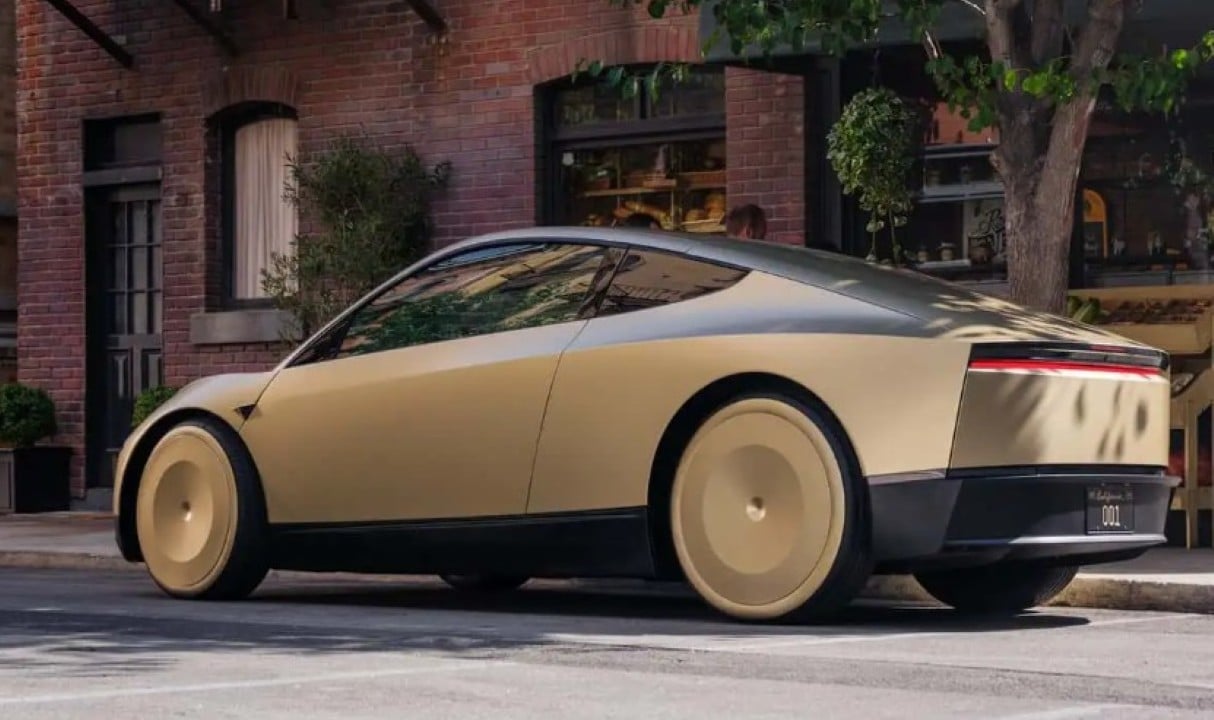
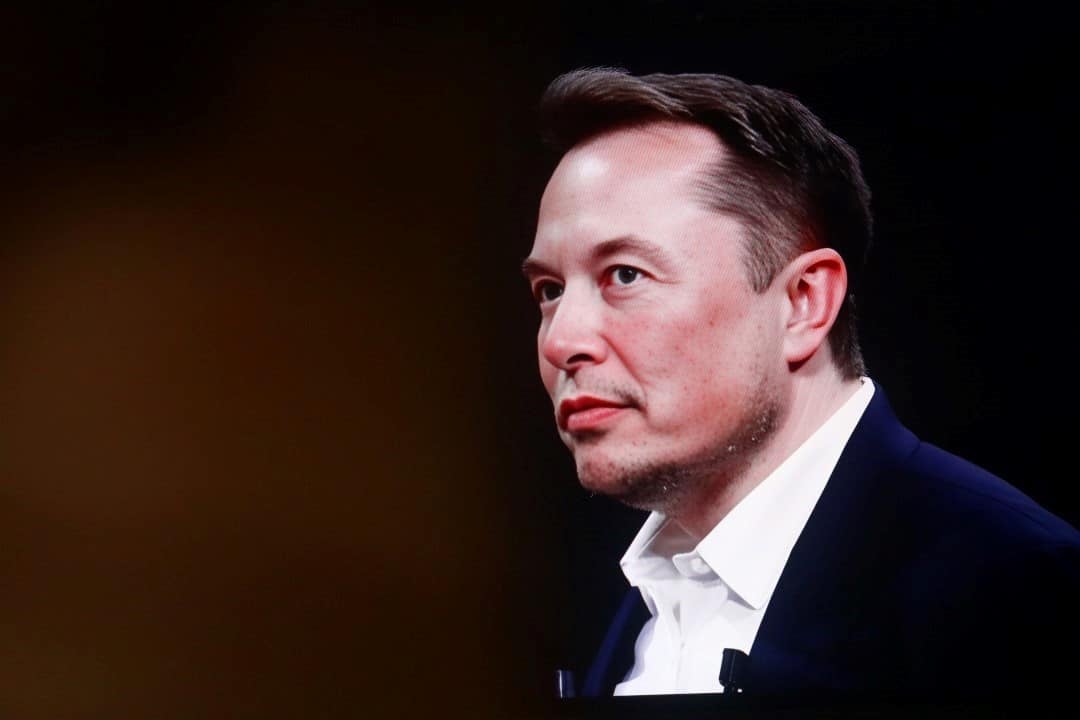
Elon Musk, CEO of Tesla, recently commented on expectations for the production of the Cybercab, an autonomous vehicle designed for the robotaxi service. Manufacturing should begin in less than 100 days at Gigafactory of Texas, with volume scheduled for 2026. The executive highlighted that the initial process will be extremely slow due to the introduction of new parts and stages.
The Cybercab represents a platform dedicated to complete autonomous driving, without a steering wheel or pedals. Musk emphasized that almost all components are new, which directly impacts the ramp-up speed. Apesar In addition, production must follow an S-curve typical of the company’s new projects.
Tesla plans to reach millions of units annually across multiple factories. The vehicle has two seats and a central screen, focused exclusively on autonomous transport. Esses elements reinforce the company’s strategy in developing autonomy technologies.
Cybercab Key Features
The Cybercab is designed as a two-seater vehicle without traditional manual controls. The absence of steering wheel and pedals allows for a design optimized for autonomous operation. The central screen serves as the main interface for passengers.
This configuration reduces production costs and facilitates integration with the Tesla Full Self-Driving system. The company currently tests validation versions in controlled environments. The model prioritizes energy efficiency and ample internal space.
Historical challenges in production ramps
Tesla has faced significant difficulties in previous new vehicle launches. The Model 3 went through a period known internally as “production hell” due to bottlenecks on the assembly line. Esses obstacles delayed deliveries and required constant adjustments.
The Cybertruck also had complications due to its stainless steel chassis and angular design. The company needed to refine welding and stamping processes to achieve higher volumes. Essas experiences have shaped the current approach to new models.
Musk uses these references to contextualize Cybercab. The introduction of extensive innovations always requires a longer initial time. However, the company has improved manufacturing techniques over the years.
Innovative manufacturing process
The Tesla adopts the “unboxed” method for the Cybercab, which parallelizes assembly steps. Essa technique differs from the traditional sequential process used in other models. Ela allows greater flexibility and time reduction in advanced phases.
Gigafactory Texas concentrates the vehicle’s initial production lines. The facility already houses the manufacturing of other models and has the capacity for rapid expansion. Equipes perform equipment testing to ensure accuracy.
- Parallel assembly of subassemblies
- Advanced Structural Battery Integration
- Intensive use of robotics on the line
- Cycle optimization to less than 10 seconds per unit at full speed
These elements contribute to the future high-speed goal.
Volume and expansion goals
Tesla plans to produce at least two million units of Cybercab per year on a consolidated basis. Esse volume can be distributed across several factories around the world. The company is considering expansions at other facilities to meet global demand.
The executive previously mentioned the possibility of reaching four million units annually. Esses numbers depend on the maturation of the manufacturing process. Demand for robotaxis should boost these projections.
Integration with the Supercharger charging network facilitates operation at scale. Veículos autonomous vehicles reduce operating costs for fleets. The Tesla positions the Cybercab as a central piece in this transition.
Context of autonomy in Tesla
The company advances the development of unsupervised Full Self-Driving in parallel with Cybercab. Testes occur in multiple regions with validation fleets. Regulatory approval represents a crucial step for large-scale deployment.
Cybercab directly depends on this technology to function without human intervention. Tesla collects billions of kilometers of real data to refine algorithms. Atualizações over-the-air enable continuous improvements.
Competitors like Waymo operate limited services in specific cities. The Tesla approach seeks broader global scale. The dedicated vehicle offers advantages in cost per kilometer.
Comparisons with side projects
The Optimus, Tesla’s humanoid robot, follows a similar trajectory in terms of production. Ambas the initiatives incorporate almost entirely new components. Musk applies the same S-curve logic to the robot.
Initial production of Optimus is expected to focus on low volumes in 2026. The company plans initial internal uses before external applications. Esses projects share complex engineering challenges.
The combination of Cybercab and Optimus reinforces Tesla’s autonomous future vision. Veículos and robots can integrate into larger ecosystems. The company invests heavily in artificial intelligence to support both.
Preparations at Gigafactory Texas
The facility at Texas receives continued investment to accommodate Cybercab. Linhas dedicated devices are already undergoing installation and calibration. Equipes engineering team works long shifts to meet deadlines.
The factory benefits from its proximity to local suppliers. Cadeia of optimized supplies reduces logistical delays. Tesla recruits professionals specialized in advanced manufacturing.
Prototype testing takes place regularly on site. Validações include durability and systems integration. The company prioritizes security in all phases of development.
Outlook for the robotaxi market
The launch of Cybercab could transform the ride-hailing sector. Veículos autonomous products promise significant reduction in operating costs. Frotas dedicated devices increase availability and efficiency.
Tesla plans to operate its own network initially. Parcerias with existing operators represents a future possibility. The recurring revenue model via software is gaining momentum.
Investors closely monitor the progress of these initiatives. The company’s market value reflects expectations in autonomy. Avanços concrete in Cybercab strengthen this narrative.
Scale production changes urban mobility dynamics. Cidades prepare regulations for driverless vehicles. Tesla collaborates with authorities in multiple countries.
Advanced technological integration
The Cybercab utilizes the next generation of computing hardware from the Tesla. Sensores and optimized cameras ensure accurate perception of the environment. Processamento occurs onboard to reduce latency.
The structural battery contributes to rigidity and extended autonomy. Materiais lightweight maintain high energy efficiency. Aerodynamic design minimizes air resistance.
- 360 degree vision sensors
- High performance computing
- Constant remote updates
- Redundancy in critical systems
These technologies position the vehicle as a reference in autonomy.
Final steps before the start
Tesla will carry out final line validations in the coming months. Equipes adjust equipment based on test data. The target remains significant volume in 2026.
Musk maintains transparent communication about realistic deadlines. Essa approach avoids surprises for stakeholders. The company learned from past communication experiences.
Cybercab marks an important transition in the history of Tesla. Do focus on traditional electric vehicles for full autonomous mobility. The project consolidates years of investment in software and hardware.



