
Exynos 2600 innovates with HPB and Samsung leads adoption of advanced cooling by rivals in the Android industry


The Samsung presented the Heat Pass Block technology, known as HPB, integrated into the Exynos 2600 processor. The Essa solution improves heat dissipation directly in the chip packaging and is already attracting attention from other manufacturers.
Qualcomm and MediaTek have started to incorporate similar mechanisms into their high-end SoCs. The measure responds to the need to manage high temperatures in processors with high frequencies.
The advancement allows for stable operation in intensive tasks such as gaming and high-resolution recording. Fabricantes seek to maintain sustained performance without compromising the user experience.
The technology represents an evolution in the thermal management of mobile devices. Ela reduces limitations imposed by excessive heat on new generation chips.
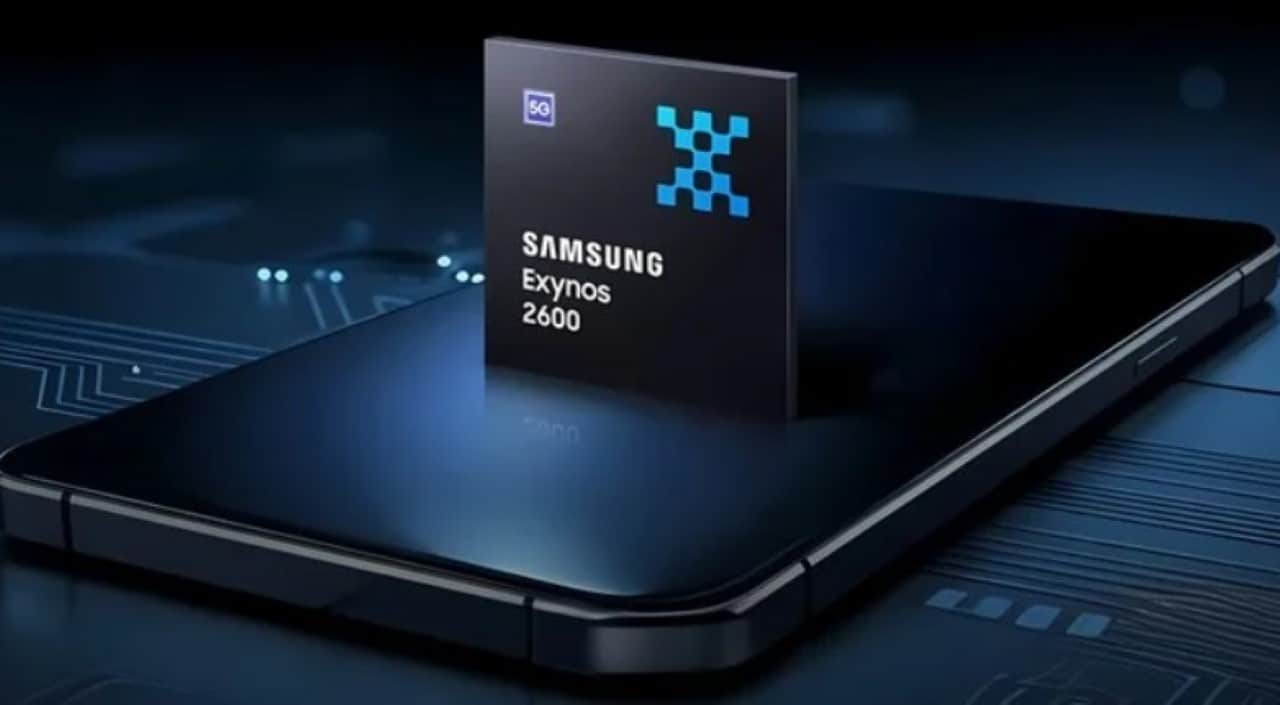
How HPB technology works
The Heat Pass Block consists of a dedicated copper heatsink positioned directly over the processor in the chip package. Essa configuration decreases thermal resistance by up to 30% compared to previous methods.
Proximity to the heat source facilitates rapid transfer to the outside of the encapsulation. Testes internals of Samsung indicate significant gains in thermal efficiency.
Technical advantages identified
HPB allows cores to operate at higher frequencies for prolonged periods. Isso prevents automatic performance reductions known as thermal throttling.
- Reduction of up to 30% in internal temperature under maximum load;
- Improved stability during extended benchmarks;
- Maintenance of high clock speeds without instabilities;
- Compatibility with 2nm manufacturing processes.
These points make the solution attractive for high-performance chips.
Adoption by other manufacturers
Qualcomm plans to implement similar structures in the upcoming new generation Snapdragon 8 Elite. The company recognizes the need for thermal advances to keep up with the increase in power.
MediaTek follows a similar trend in the top Dimensity line. Relatos indicate that prototypes already incorporate integrated heatsinks inspired by the Samsung approach.
Other producers of Android SoCs are evaluating the technology for models scheduled for 2026 and 2027. Wide adoption could establish HPB as a requirement in flagships.
The change reflects consensus on the limits of traditional vapor chambers in thin devices. Fabricantes prioritize compact and efficient solutions.
Limits of conventional methods
Vapor chambers have dominated cooling in premium smartphones in recent years. Elas distribute heat through sealed tubes, but face restrictions in reduced thickness.
Graphite and thermal pastes complement the system, but do not completely resolve the heating in high-frequency cores. Chips recent peaks reach close to 4.8 GHz, generating intense heat.
Independent tests show performance drops after minutes of heavy use on current models. Usuários report noticeable heating in demanding games.
The transition to integrated heatsinks appears as a practical alternative. Ela acts on the source of the problem without relying exclusively on external components.
Exynos 2600 Details
The Exynos 2600 uses a 2-nanometer process with the Samsung’s GAA architecture. The combination with HPB allows maximum exploitation of the capabilities of the advanced node.
The chip maintains controlled temperatures even in full load multi-core scenarios. Benchmarks Preliminaries demonstrate sustained performance superior to previous generations.
Integration occurs during the encapsulation phase, without significant impact on the final thickness of the device. Engenheiros optimize the layout for compatibility with existing designs.
Impact on end devices
Smartphones equipped with SoCs that use HPB have less surface heating. Isso improves comfort during prolonged use and reduces the risk of thermal discomfort.
Batteries suffer less stress from high temperatures, potentially extending their lifespan. Fabricantes adjust management algorithms to exploit thermal gain.
Mobile games directly benefit from stable frames in demanding titles. Gravações in 8K maintains quality without interruptions due to thermal protection.
Comparison with external solutions
Active cooling systems, such as fans in gaming devices, offer superior performance but increase volume and consumption. Soluções Integrated passives prioritize portability.
Enlarged vapor chambers require greater internal space, limiting ultra-slim designs. HPB operates without these physical restrictions.
- HPB: integrated, compact, efficient in reduced space;
- Vapor chamber: depends on internal volume, good distribution;
- External heatsinks: effective, but impractical on common smartphones.
The choice depends on the balance between performance and format.
Historical evolution of mobile cooling
First generations of mobile processors relied exclusively on passive driving. Materiais how copper and aluminum transferred heat to the casing.
Introduction of heat pipes marked advances in thermal distribution. Pastas of high conductivity complemented the system.
Vapor chambers became standard on flagships from 2018 onwards.
The arrival of HPB represents a fourth significant phase. Direct Integração in the package paves the way for nodes below 2 nm.
Practical applications observed
Test devices with Exynos 2600 maintain peak performance for more than 30 minutes under heavy loads. Resultados outperform competing chip averages without the technology.
Prolonged recordings at full resolution occur without forced frame rate reductions. Usuários report more consistent experience.
Synthetic benchmarks record high scores with minimal variation between rounds. Thermal stability directly contributes to these numbers.
Perspectives for the coming years
Manufacturers plan to refine the technology in future iterations. Improved Versões can further reduce thermal resistance.
Combination with advanced materials, such as graphene, appears in internal studies. Objetivo is to support frequencies above 5 GHz on mobile devices.
Standardization accelerates compatible ecosystem development. Fornecedores of packaging adjust production lines to meet growing demand.
Thermal advancement accompanies progress in energy efficiency. Next generation Chips balance raw power with controlled consumption.



